
Lake Malawi Water Activities
February 1, 2026
Malawi Culture
February 1, 2026
Malawi Big Five
Although Malawi is often associated with the tranquil beauty of Lake Malawi, the country has also emerged as an exciting safari destination with growing populations of the famous African Big Five. The term “Big Five” refers to five iconic animals historically considered the most difficult and dangerous to hunt on foot: the lion, leopard, elephant, rhinoceros, and buffalo.
In recent years, Malawi has made remarkable progress in wildlife conservation through restoration projects and reintroduction programs. Several protected areas now support healthy populations of these animals, offering visitors the chance to experience authentic safaris in quieter and less crowded environments compared to some of Africa’s more famous parks.
Malawi’s safari experiences combine rich wildlife encounters with scenic landscapes and a strong commitment to conservation.
Why Book This Destination
Explore More about Malawi Big Five
The Big Five Explained
The Big Five concept originated during the colonial hunting era when hunters classified animals based on the difficulty and danger involved in tracking them. Today, the term is used in wildlife tourism to describe five of Africa’s most iconic and sought-after species.
These animals include the lion, the leopard, the African elephant, the rhinoceros, and the African buffalo. Each species represents an important component of the savannah ecosystem and plays a vital role in maintaining ecological balance.
Safari travelers often hope to see all five species during their journey, making the Big Five one of the most celebrated wildlife experiences in Africa.
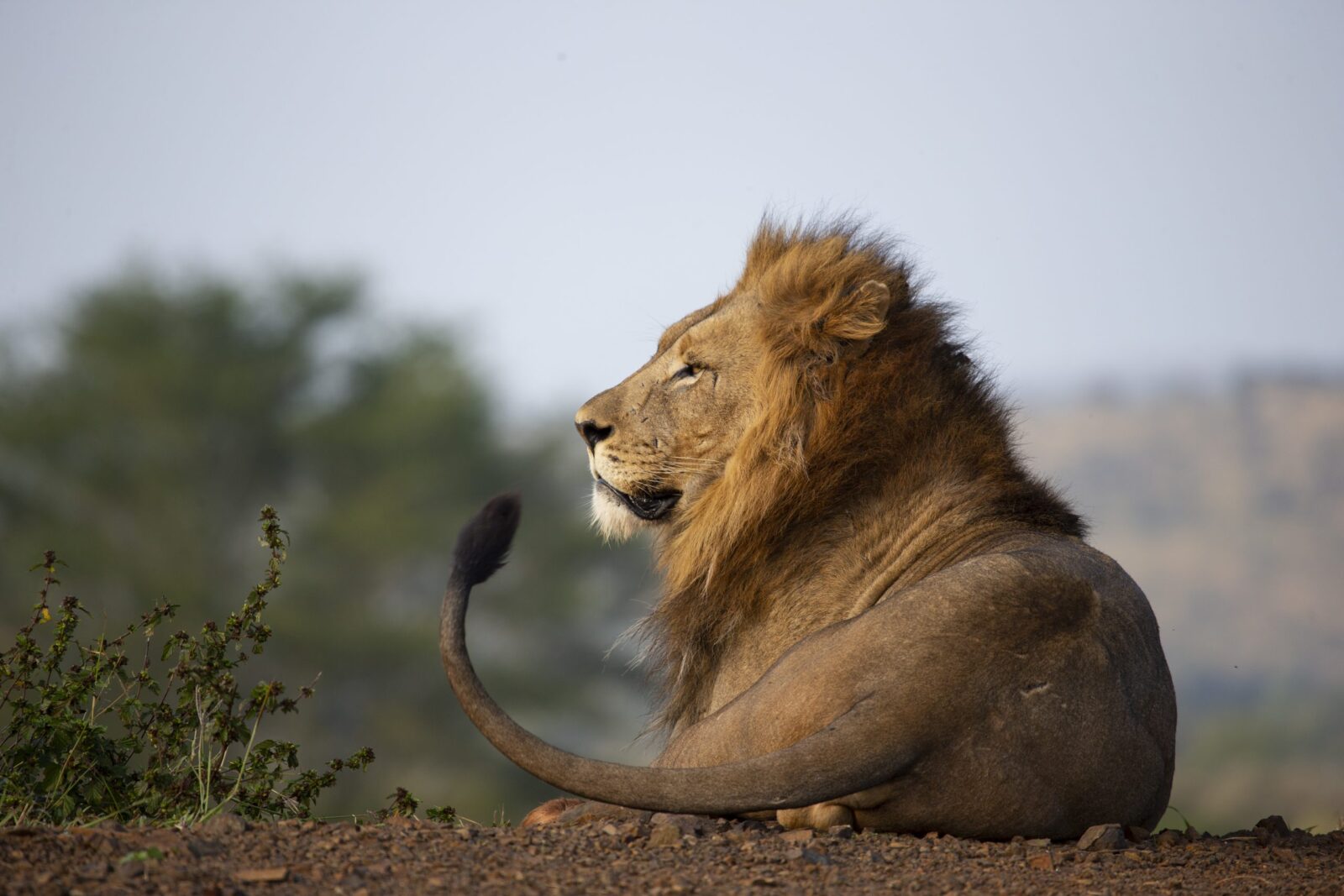
Lions in Malawi
Lions once declined significantly in Malawi due to habitat loss and poaching, but conservation efforts have helped restore their populations in several protected areas. Today, lions can be found in parks such as Liwonde National Park and Majete Wildlife Reserve.
These powerful predators roam open grasslands and riverine habitats where they hunt antelope, buffalo, and other prey species. Safari guides track lions by following fresh tracks or listening for calls across the landscape.
Observing a pride of lions resting in the shade or stalking prey is often one of the highlights of a Malawi safari.
Leopards in Malawi
Leopards are among the most elusive members of the Big Five, known for their solitary behavior and remarkable camouflage. In Malawi, these secretive predators inhabit woodland areas and riverine forests where they hunt antelope, monkeys, and smaller mammals.
Leopards are particularly active at night and during early morning hours. Parks such as Liwonde National Park provide good opportunities for sightings, especially near river systems where prey animals gather.
Spotting a leopard resting in a tree branch or moving silently through the bush is a thrilling experience for safari travelers.
Elephants in Malawi
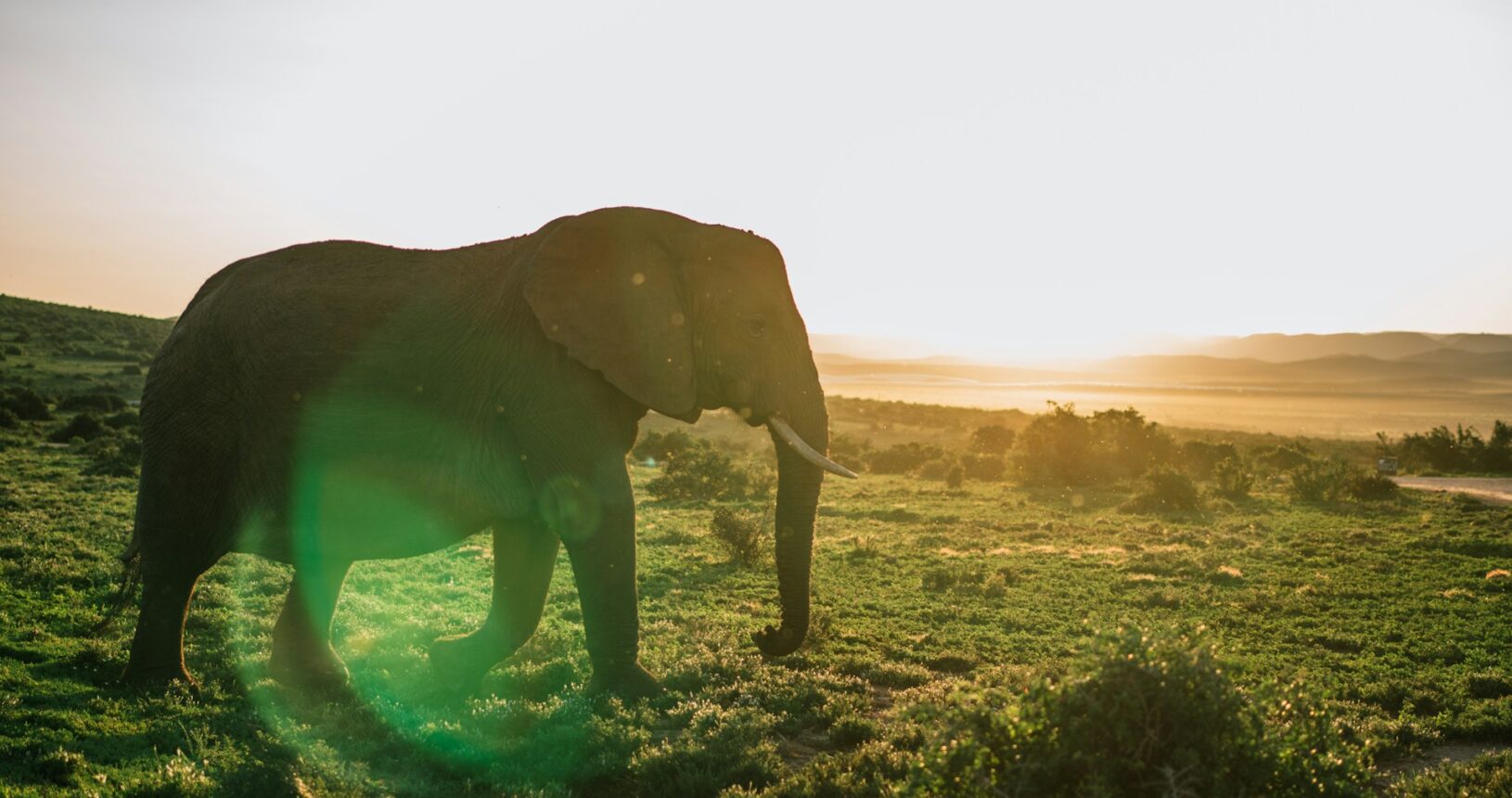
African elephants are one of the most recognizable wildlife species in Malawi. Large herds roam several protected areas, particularly near river systems where water and vegetation are abundant.
Liwonde National Park is well known for its elephant populations, which often gather along the banks of the Shire River. Observing these massive animals bathing, drinking, or moving across the savannah offers an unforgettable safari moment.
Elephants also play a vital ecological role by shaping vegetation and creating pathways used by other wildlife.
Rhinoceroses in Malawi
Malawi has become an important refuge for the endangered black rhinoceros. Through conservation partnerships and wildlife translocation programs, rhinos have been successfully reintroduced into protected areas such as Majete Wildlife Reserve and Liwonde National Park.
These powerful herbivores are heavily protected due to the threat of poaching for their horns. Visitors on safari may encounter rhinos grazing quietly in open areas or moving through woodland habitats.
The recovery of rhino populations in Malawi represents a major conservation success.
African Buffalo
The African buffalo is one of the most powerful and unpredictable members of the Big Five. These large bovines often move in herds across grasslands and near water sources where grazing is abundant.
In Malawi’s national parks and reserves, buffalo are frequently seen grazing on open plains or resting near rivers during the hottest parts of the day. Their strong social structure and impressive horns make them one of the most striking animals encountered during a safari.
Buffalo also play an important ecological role by influencing grassland vegetation.
Best Places to See the Big Five in Malawi.
Majete Wildlife Reserve
Majete Wildlife Reserve is the only protected area in Malawi where all members of the Big Five have been successfully reintroduced. The reserve has undergone one of Africa’s most impressive conservation transformations, evolving from a depleted landscape into a thriving wildlife sanctuary.
Today, Majete offers excellent opportunities to see lions, elephants, rhinos, buffalo, and leopards within a scenic wilderness environment.
Liwonde National Park
Liwonde National Park is another important safari destination in Malawi. The park is famous for its river-based wildlife viewing along the Shire River, where elephants, hippos, crocodiles, and numerous bird species gather.
Recent conservation efforts have also introduced lions and rhinos into the park, strengthening its status as a Big Five safari destination.
Nkhotakota Wildlife Reserve
Nkhotakota Wildlife Reserve is Malawi’s largest protected area and has been the focus of major wildlife restoration programs. Large numbers of elephants have been relocated here, helping rebuild wildlife populations across the reserve.
Although not all members of the Big Five are present, Nkhotakota offers an authentic wilderness experience with fewer visitors and remarkable natural scenery.
Conservation Success in Malawi
Malawi’s emergence as a Big Five safari destination is closely tied to major conservation initiatives led by government agencies and conservation organizations. Wildlife translocation programs, anti-poaching patrols, and habitat restoration projects have transformed several protected areas across the country.
These efforts have helped restore wildlife populations while supporting sustainable tourism that benefits local communities.
The success of these conservation projects demonstrates how careful management can revive ecosystems that were once in decline.
Overall Big Five Safari Experience
Malawi may not be as widely known for safaris as neighboring countries, but it offers an increasingly rewarding wildlife experience. Its restored national parks and reserves provide opportunities to encounter the Big Five in landscapes that remain relatively uncrowded and peaceful.
For travelers seeking a unique safari destination that combines conservation success with natural beauty, Malawi provides an exciting and authentic Big Five adventure in the heart of southern Africa.
In Africa’s national parks, every sunrise paints a masterpiece — where the wild’s call echoes across endless horizons. Visiting these parks is to witness nature in its purest form, a timeless dance that stirs the soul.
Steps to Book Your Southern Africa Tour
Choose Your Adventure
Confirm Your Booking
Begin Your Journey
Ready to plan your tailor-made safari?