Packing List for Botswana
February 1, 2026
Blantyre
February 1, 2026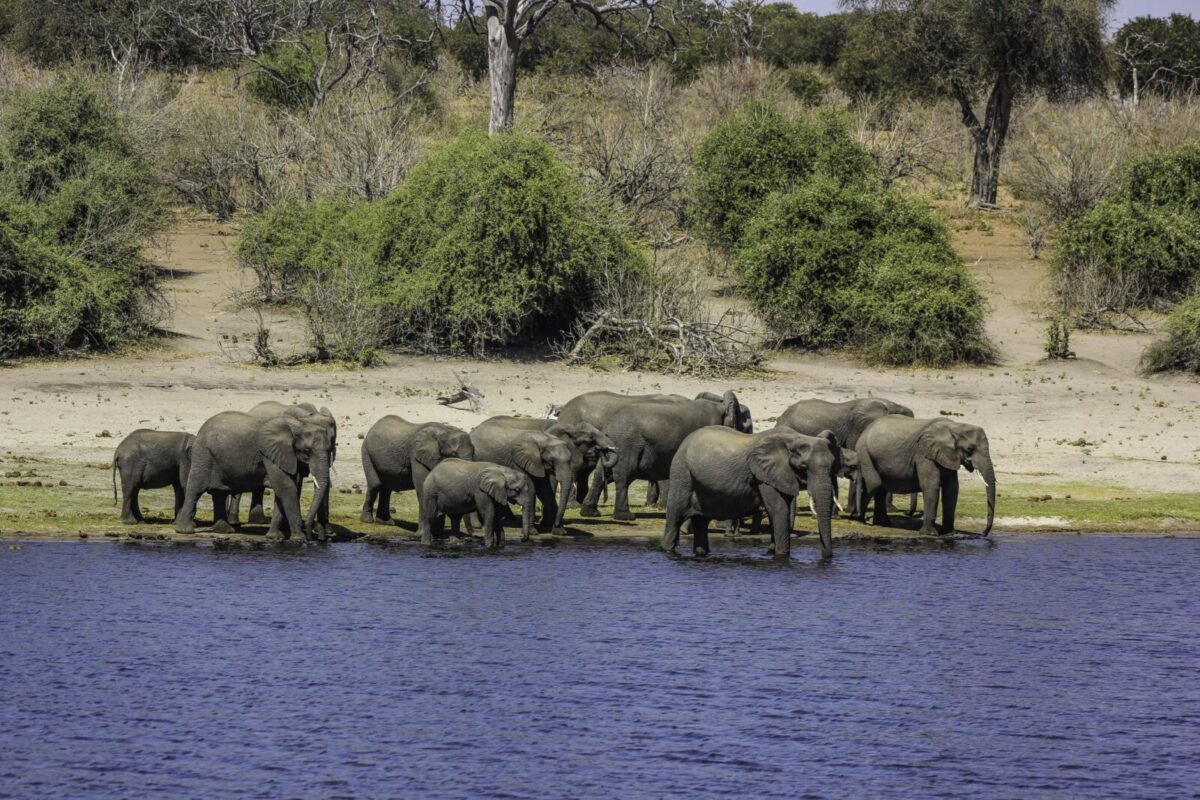
What Is Botswana Known For? Safari Comparison with Namibia
Botswana and Namibia are two of Southern Africa’s most iconic safari destinations, yet they offer distinctly different wilderness experiences. While both countries are known for vast landscapes, low population density, and strong conservation ethics, their safari models, terrain, wildlife encounters, and travel styles differ significantly.
Understanding what Botswana is truly known for—and how it compares with Namibia—helps travelers choose the experience that best fits their expectations, comfort level, and travel style.
Why Book This Destination
Explore More about What Is Botswana Known For? Safari Comparison with Namibia
Botswana: What the Country Is Famous For
Botswana is globally recognized for its high-value, low-volume safari model. Rather than attracting mass tourism, the country limits visitor numbers in many private concessions, ensuring exclusivity and minimal vehicle density around wildlife sightings. This approach creates intimate game viewing experiences with little crowding.
The crown jewel of Botswana is the Okavango Delta, one of the world’s largest inland deltas and a UNESCO World Heritage Site. The delta transforms seasonal floodwaters into a labyrinth of channels, islands, and lagoons, offering a rare combination of land and water-based safari activities. Mokoro canoe excursions, walking safaris, and boat-based wildlife viewing distinguish Botswana from most other African destinations.
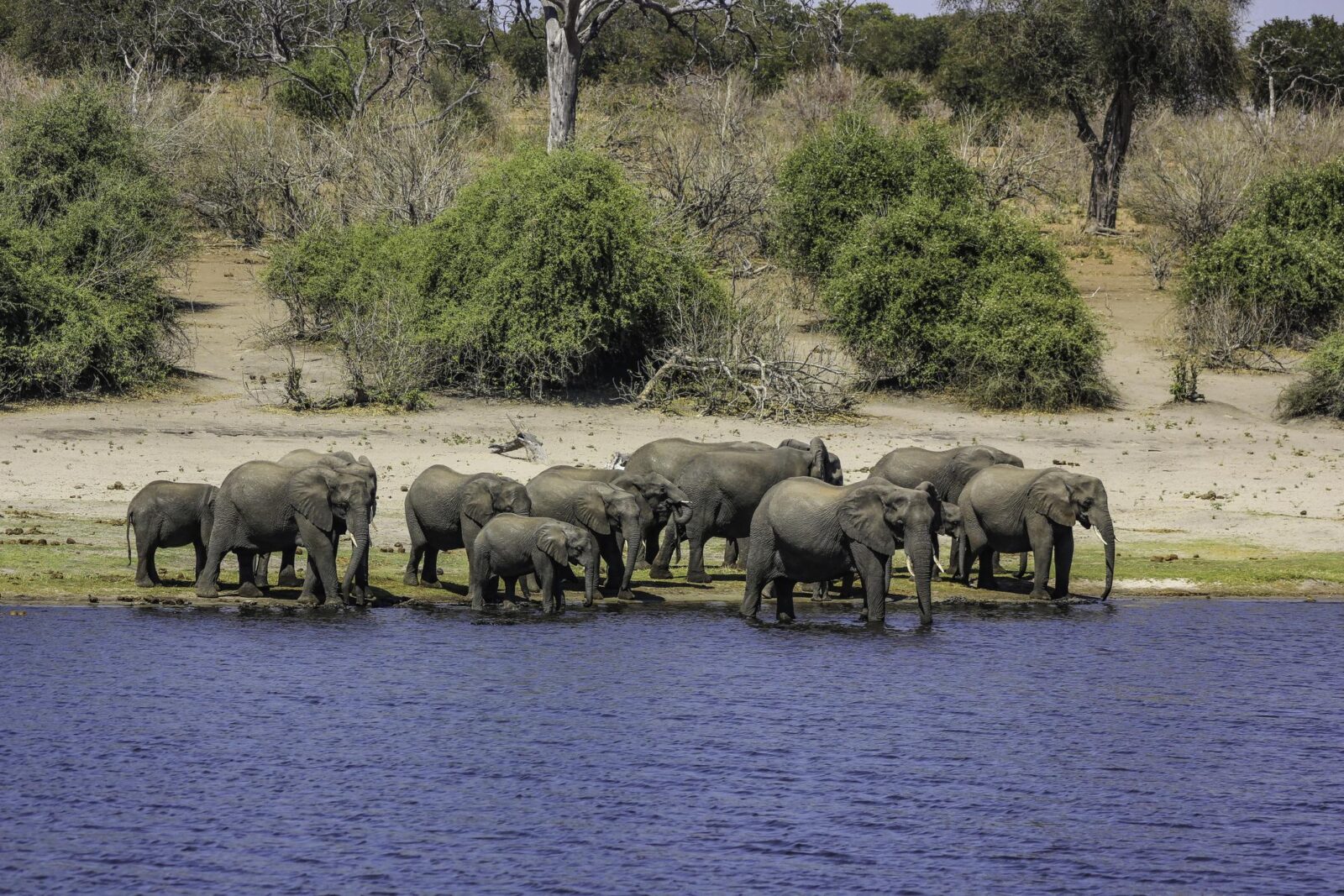
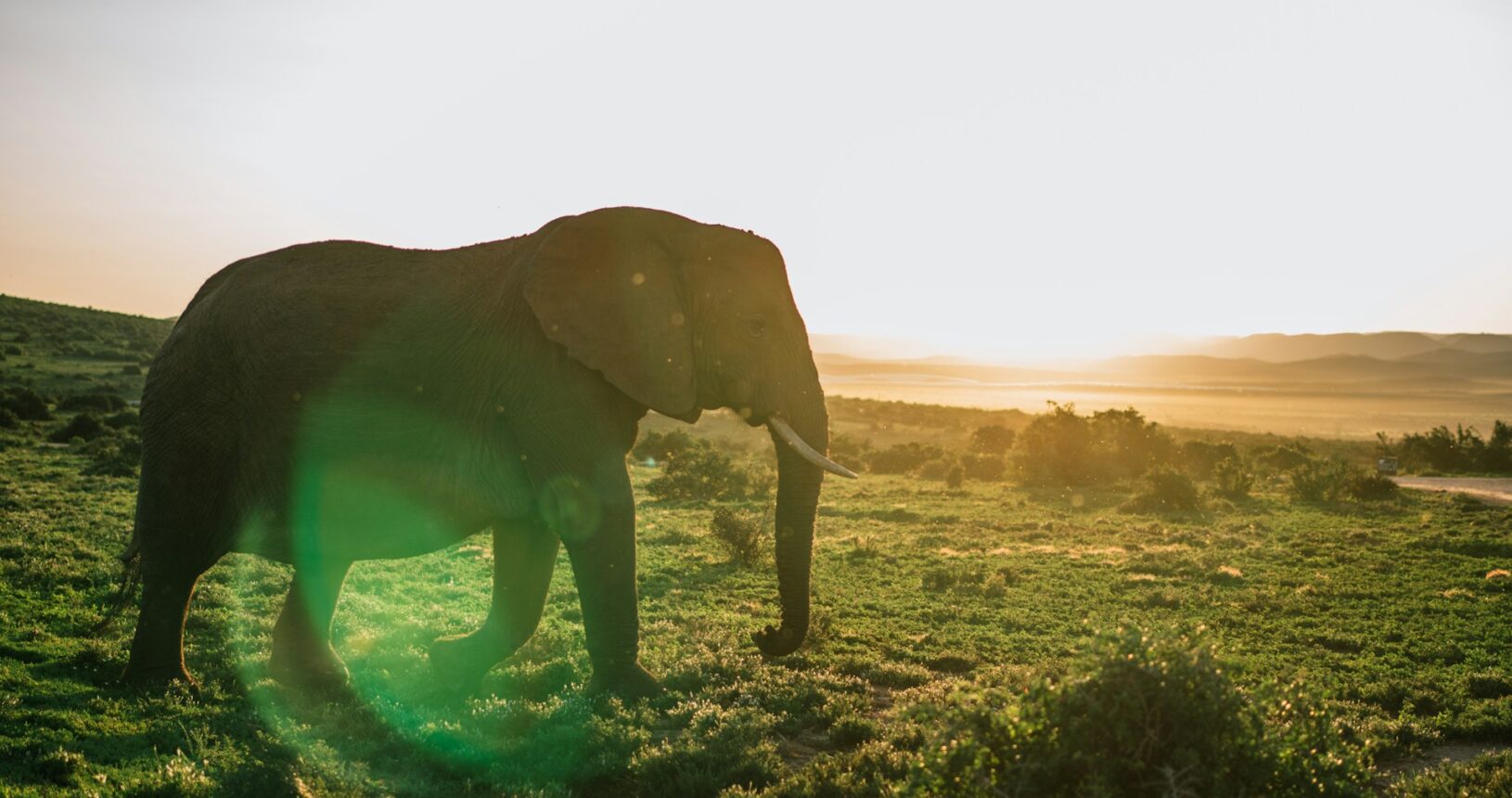
The country is also renowned for its exceptional elephant populations, particularly in Chobe National Park, which hosts one of the largest concentrations of elephants in Africa. Predator sightings, including lions, leopards, and wild dogs, are strong in both private concessions and national parks.
Botswana is therefore known for exclusivity, water-based safaris, large elephant herds, and pristine wilderness with limited infrastructure development.
Namibia: What the Country Is Famous For
Namibia is internationally recognized for its dramatic desert landscapes and geological contrasts rather than dense wildlife concentrations. The towering red dunes of Sossusvlei are among the most photographed desert scenes in the world, and the stark white salt pans of Etosha National Park provide a unique safari setting defined by open visibility.
Unlike Botswana’s delta ecosystem, Namibia’s landscapes are arid and expansive. Wildlife viewing often revolves around waterholes where animals gather, particularly during the dry season. This makes Etosha ideal for self-drive safaris, as sightings are predictable and accessible without requiring remote fly-in logistics.
Namibia is also known for scenic road trips, desert-adapted wildlife, and dramatic photographic landscapes rather than water-based safari activities.
Safari Experience: Exclusivity vs Accessibility
Botswana’s safari experience is structured around private concessions and fly-in camps. Many visitors travel by light aircraft between remote lodges, minimizing road time and maximizing immersion in untouched ecosystems. Camps often operate on an all-inclusive basis with guided activities led by highly trained professional trackers.
Namibia, in contrast, is highly suitable for self-drive exploration. The road network is well maintained, and visitors can navigate independently between desert regions, national parks, and coastal towns. Accommodation options range from luxury lodges to more accessible midrange and self-catering properties.
Travelers seeking guided, intimate, and luxury-focused safaris often gravitate toward Botswana, while those interested in scenic independence and road-trip flexibility often choose Namibia.
Wildlife Density and Diversity
Botswana generally offers denser wildlife populations in key regions such as the Okavango Delta and Chobe. The combination of permanent water sources and protected concessions supports strong predator activity and large herbivore concentrations.
Namibia’s wildlife is more dispersed due to its arid climate. Etosha National Park delivers excellent game viewing, particularly during the dry season when animals gather at waterholes, but overall density is lower compared to Botswana’s floodplains. However, Namibia offers unique desert-adapted species such as desert elephants and oryx, which thrive in harsh conditions.
The difference lies in ecological structure: Botswana’s water-rich systems support high-density wildlife encounters, while Namibia’s desert systems create visually striking but more spatially spread sightings.
Landscape Contrast
Botswana’s landscape is defined by wetlands, floodplains, woodlands, and river systems. Seasonal flooding transforms terrain dynamically, creating ever-changing safari conditions. Water plays a central role in shaping the experience.
Namibia’s terrain is defined by desert dunes, rocky mountains, vast gravel plains, and coastal fog belts. Its visual identity is sculpted by geological extremes rather than river ecosystems.
Travelers seeking lush delta channels and water-based exploration lean toward Botswana, while those drawn to cinematic desert scenery and vast open horizons often prefer Namibia.
Cost Structure and Tourism Model
Botswana’s low-volume tourism policy typically results in higher overall safari costs, particularly for fly-in private concession experiences. The emphasis on exclusivity and conservation funding contributes to premium pricing.
Namibia offers a broader pricing spectrum due to its accessibility and strong self-drive infrastructure. Visitors can design cost-effective itineraries while still accessing high-quality landscapes and wildlife.
Both countries maintain strong conservation ethics, but Botswana’s model is more tightly controlled and luxury-focused.
Overall Comparison Verdict
Botswana is known for exclusive, water-based, wildlife-dense safaris centered around the Okavango Delta and large elephant populations in Chobe. It appeals strongly to travelers seeking immersive luxury and guided wilderness experiences with minimal crowding.
Namibia is known for dramatic desert landscapes, accessible self-drive adventures, and striking geological scenery anchored by Sossusvlei and Etosha National Park. It attracts travelers who prioritize scenic diversity and independence.
Choosing between Botswana and Namibia depends on whether the traveler values water-driven ecosystems and exclusivity or desert drama and flexible exploration.
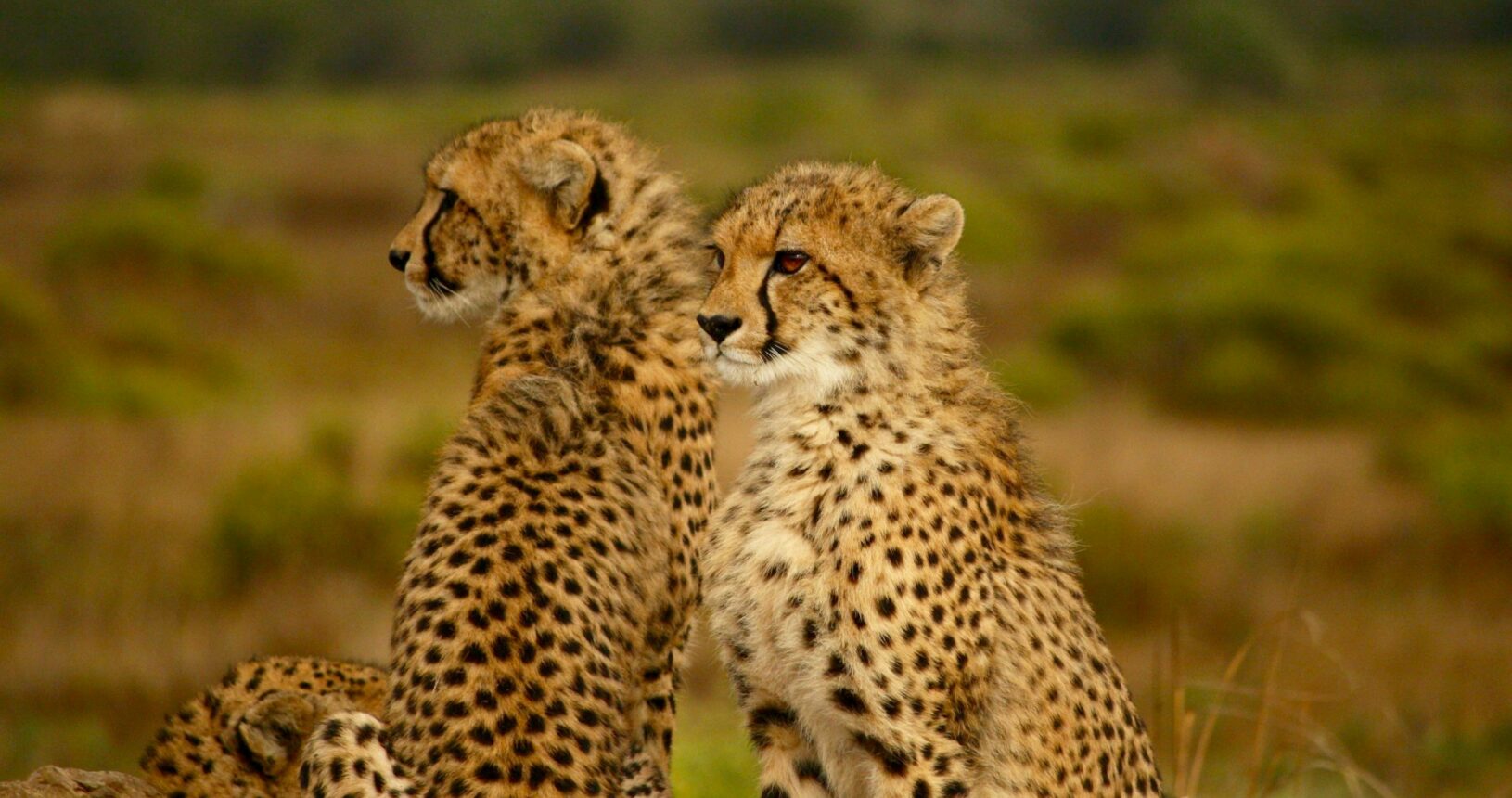
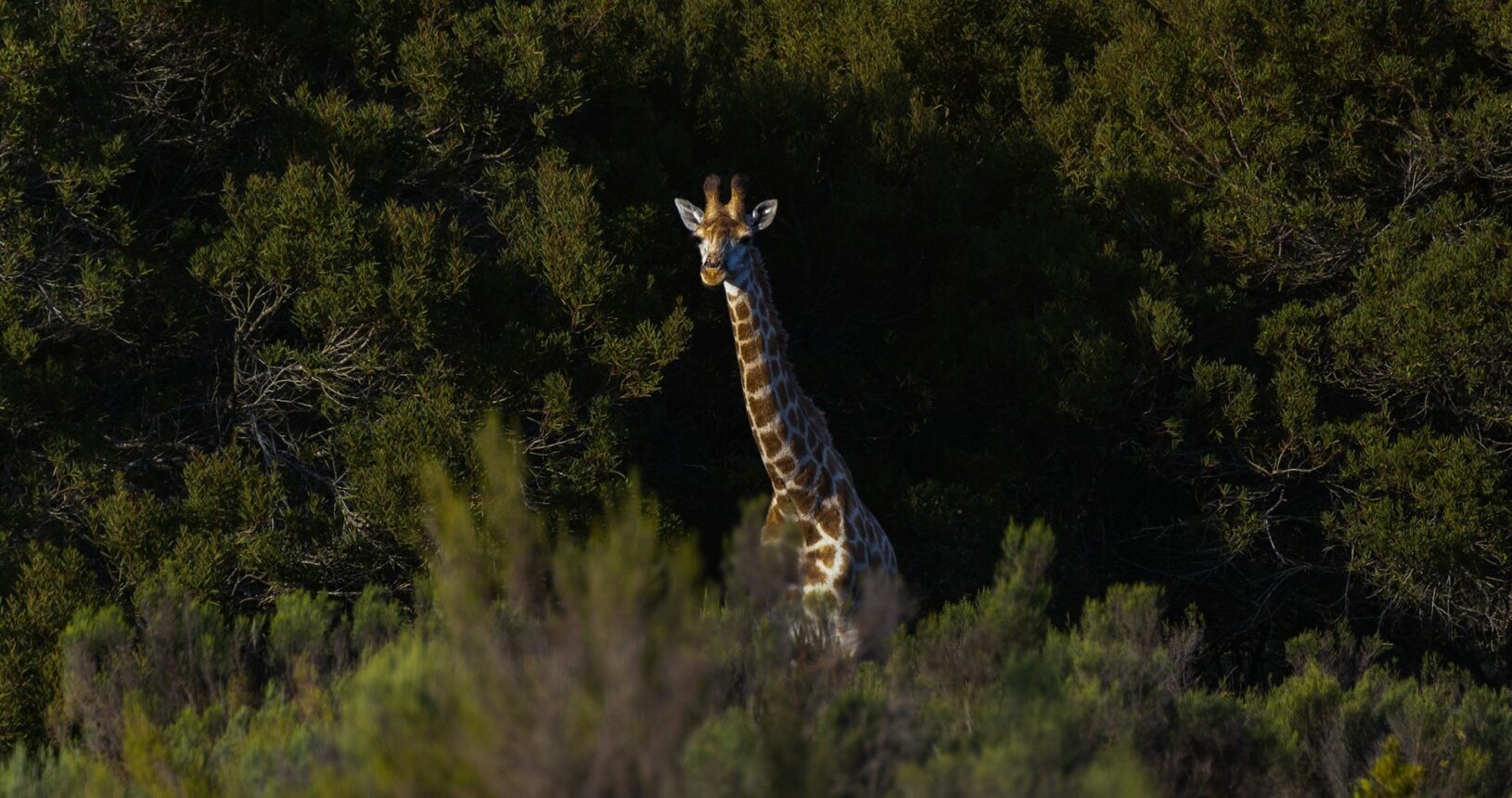
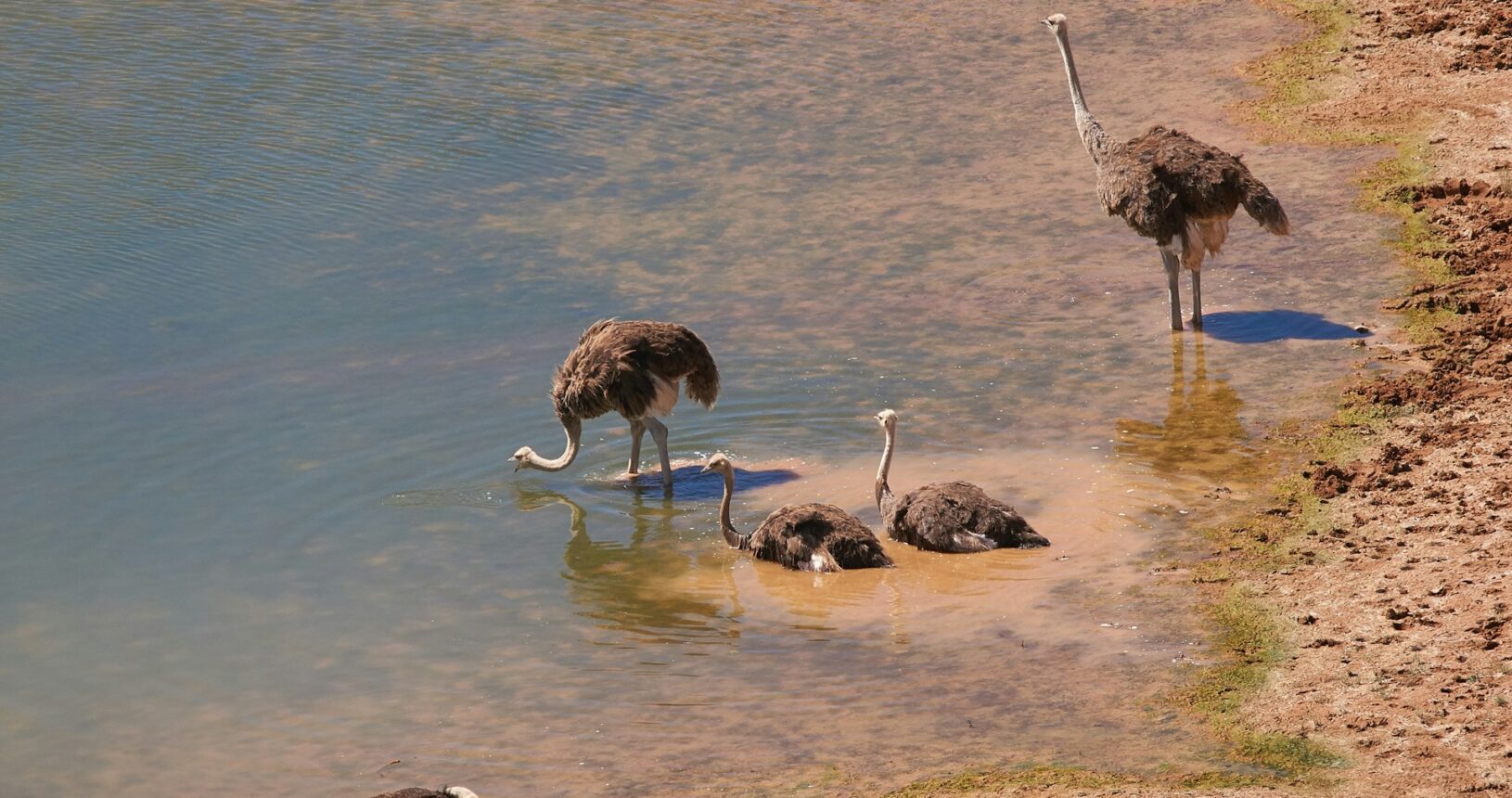
In Africa’s national parks, every sunrise paints a masterpiece — where the wild’s call echoes across endless horizons. Visiting these parks is to witness nature in its purest form, a timeless dance that stirs the soul.
Steps to Book Your Southern Africa Tour
Choose Your Adventure
Confirm Your Booking
Begin Your Journey
Ready to plan your tailor-made safari?