Botswana Safari Cost
February 1, 2026
Flights to Botswana
February 1, 2026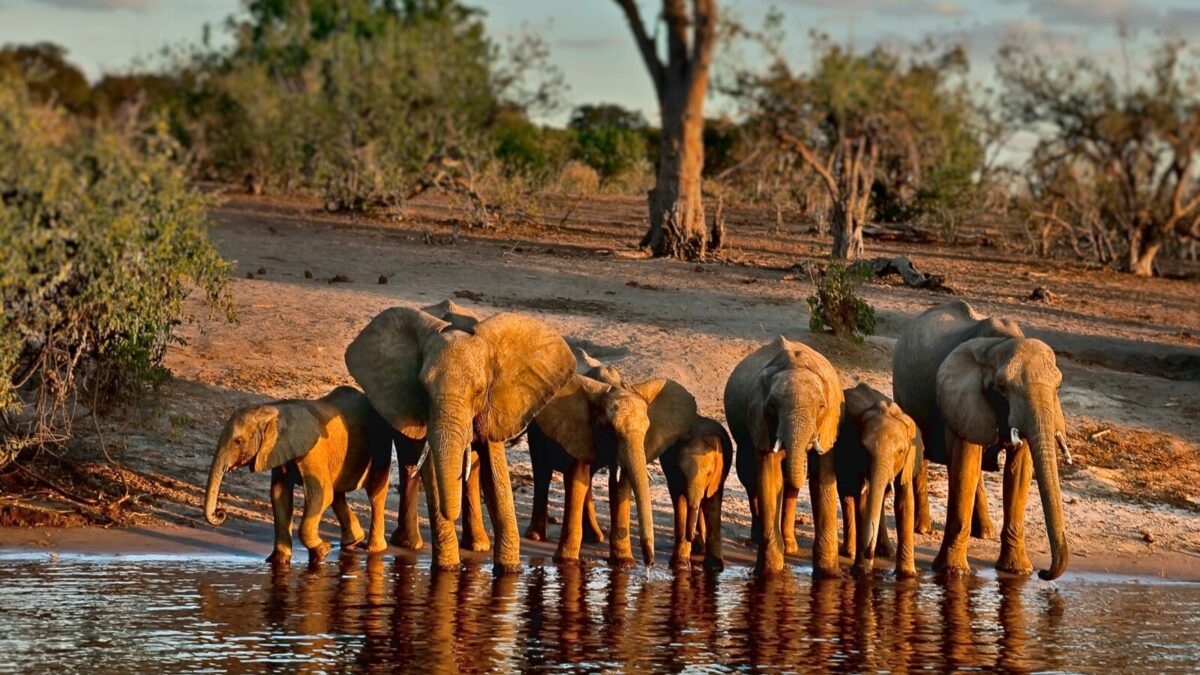
Botswana Wildlife Safari
Botswana stands among Africa’s most celebrated wildlife safari destinations. Its vast protected areas, low visitor density, and conservation-led tourism model create exceptional conditions for immersive game viewing. Unlike high-traffic safari circuits, Botswana prioritizes exclusivity and ecological integrity, ensuring wildlife encounters feel natural and unhurried.
From elephant-rich riverfronts to predator-filled floodplains and expansive desert ecosystems, Botswana offers remarkable biodiversity across contrasting landscapes. A wildlife safari here emphasizes both abundance and authenticity.
Why Book This Destination
Explore More about Botswana Wildlife Safari
Why Botswana Is Famous for Wildlife Safaris
Botswana’s success as a wildlife destination is rooted in its large-scale conservation framework. A significant percentage of the country is dedicated to protected areas and wildlife management zones, allowing ecosystems to function with minimal disruption.
The high-value, low-volume tourism model reduces crowding at sightings and preserves habitat quality. This structured approach results in consistent wildlife density and prolonged observation opportunities, particularly in private concessions where vehicle numbers are strictly controlled.
The country is especially known for its elephant populations, thriving predator presence, and intact wetland ecosystems.
The Okavango Delta Experience
The Okavango Delta is the heart of Botswana’s wildlife safari appeal. This inland delta floods seasonally, creating a mosaic of lagoons, channels, islands, and grasslands that support diverse species year-round.
Elephants move between islands, lions patrol floodplains, and leopards rest in riverine woodlands. Seasonal water levels allow for both land-based game drives and water-based activities such as mokoro excursions and boat safaris.
The delta’s combination of permanent water and varied habitat makes it one of Africa’s most productive wildlife systems.
Chobe National Park and Elephant Concentrations
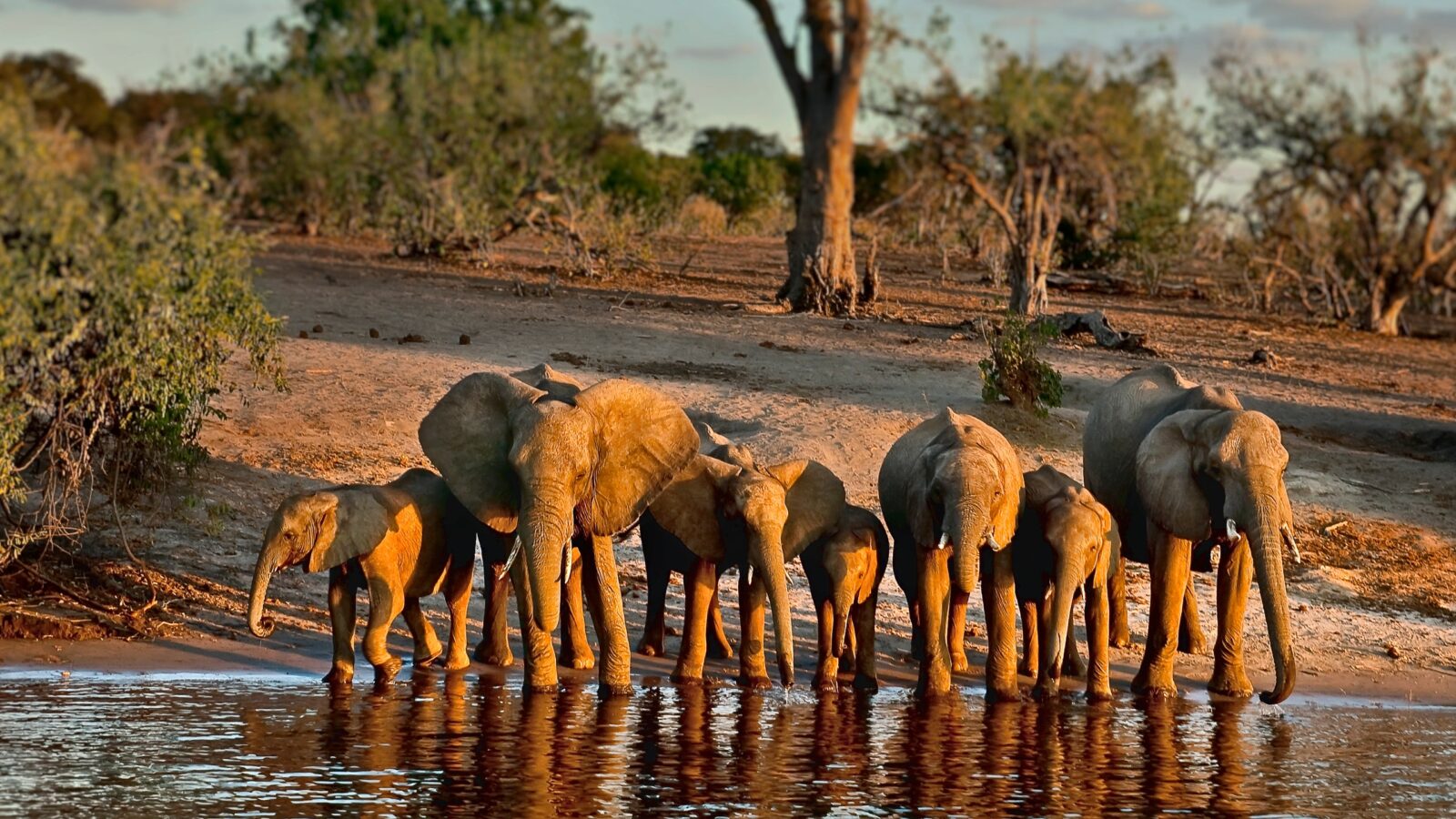
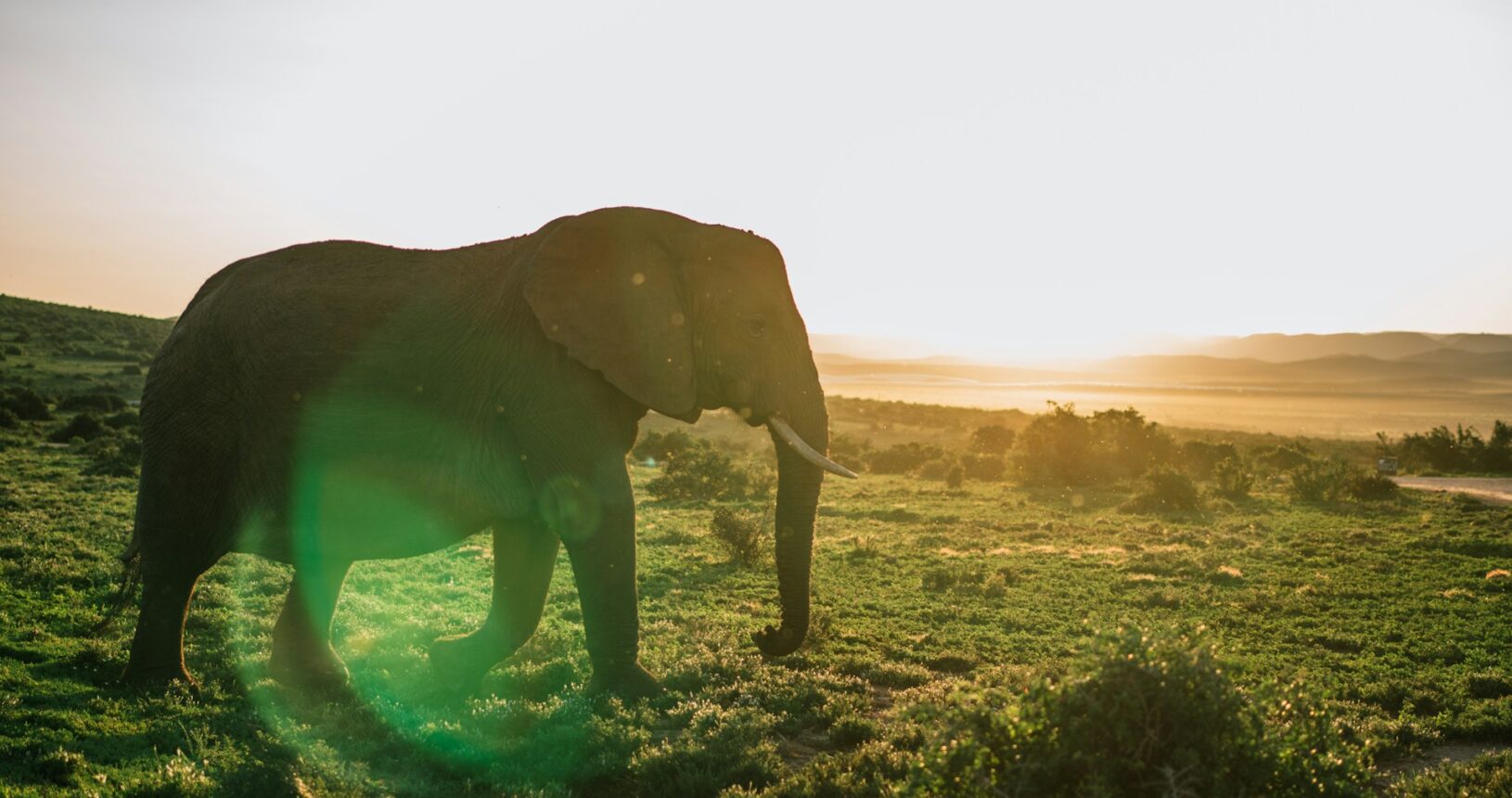
Chobe National Park is internationally recognized for hosting one of the largest elephant populations on the continent. During the dry season, herds gather along the Chobe River, creating dramatic viewing opportunities.
Boat safaris along the river provide close-range observation of elephants bathing and crossing between banks. Predator sightings, including lion and leopard, are also common in woodland areas and the Savuti region of the park.
Chobe’s accessibility and density of wildlife make it a cornerstone of many Botswana safari itineraries.
Predator Viewing and Big Five Potential
Botswana supports strong populations of lion, leopard, buffalo, and elephant across its northern ecosystems. Rhino populations have been reintroduced in selected protected areas, strengthening the country’s Big Five profile.
Private concessions adjacent to national parks enhance predator viewing by allowing off-road tracking and night drives. These controlled activities increase opportunities to observe nocturnal species and elusive carnivores.
Wildlife encounters in Botswana often unfold without large crowds, reinforcing the sense of wilderness immersion.
Desert Wildlife in the Kalahari
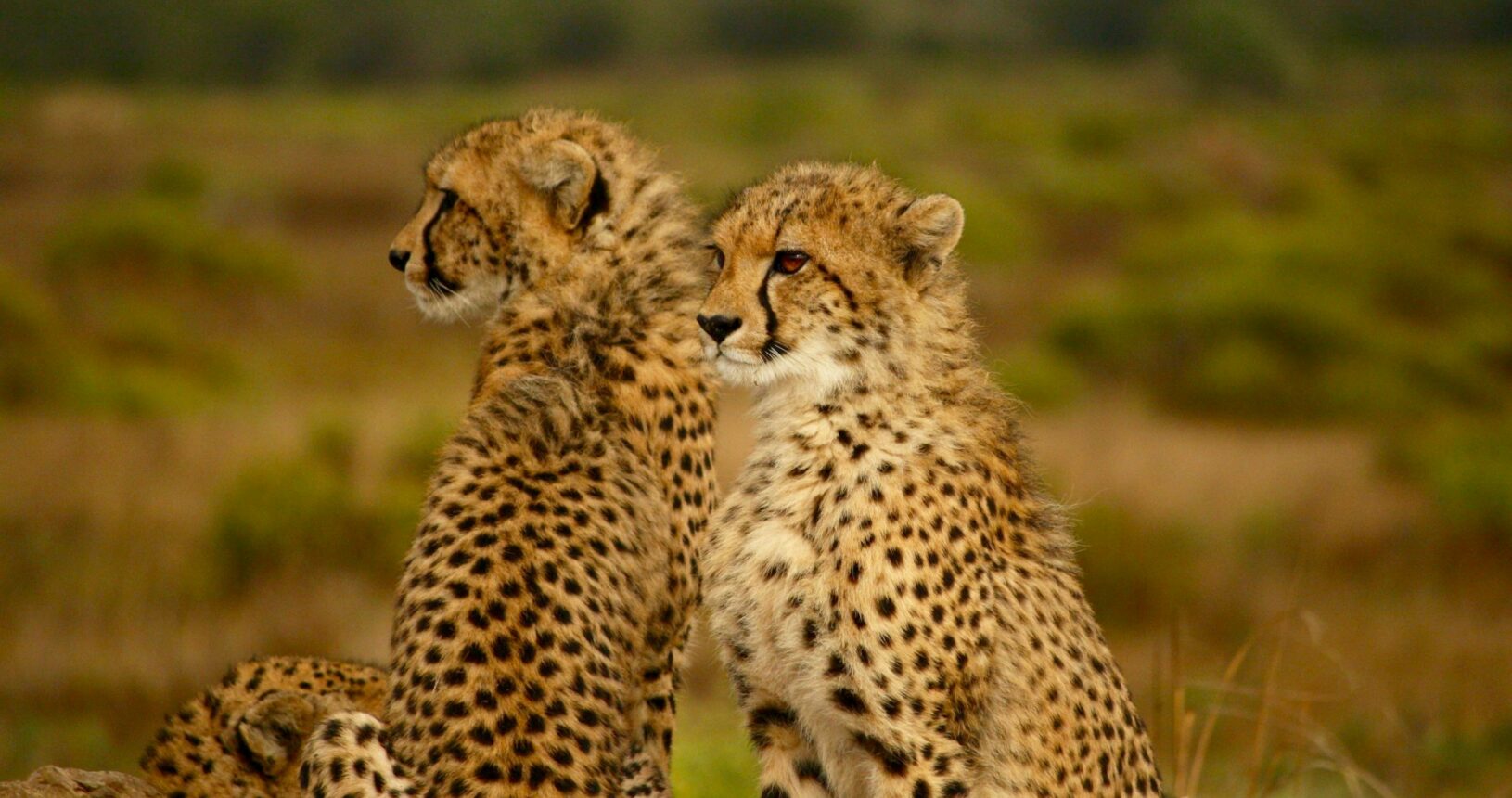
Beyond wetlands, Botswana’s desert regions such as the Central Kalahari Game Reserve provide a contrasting safari experience. Open grasslands and fossil river valleys support species adapted to semi-arid conditions, including black-maned Kalahari lions, cheetahs, and antelope.
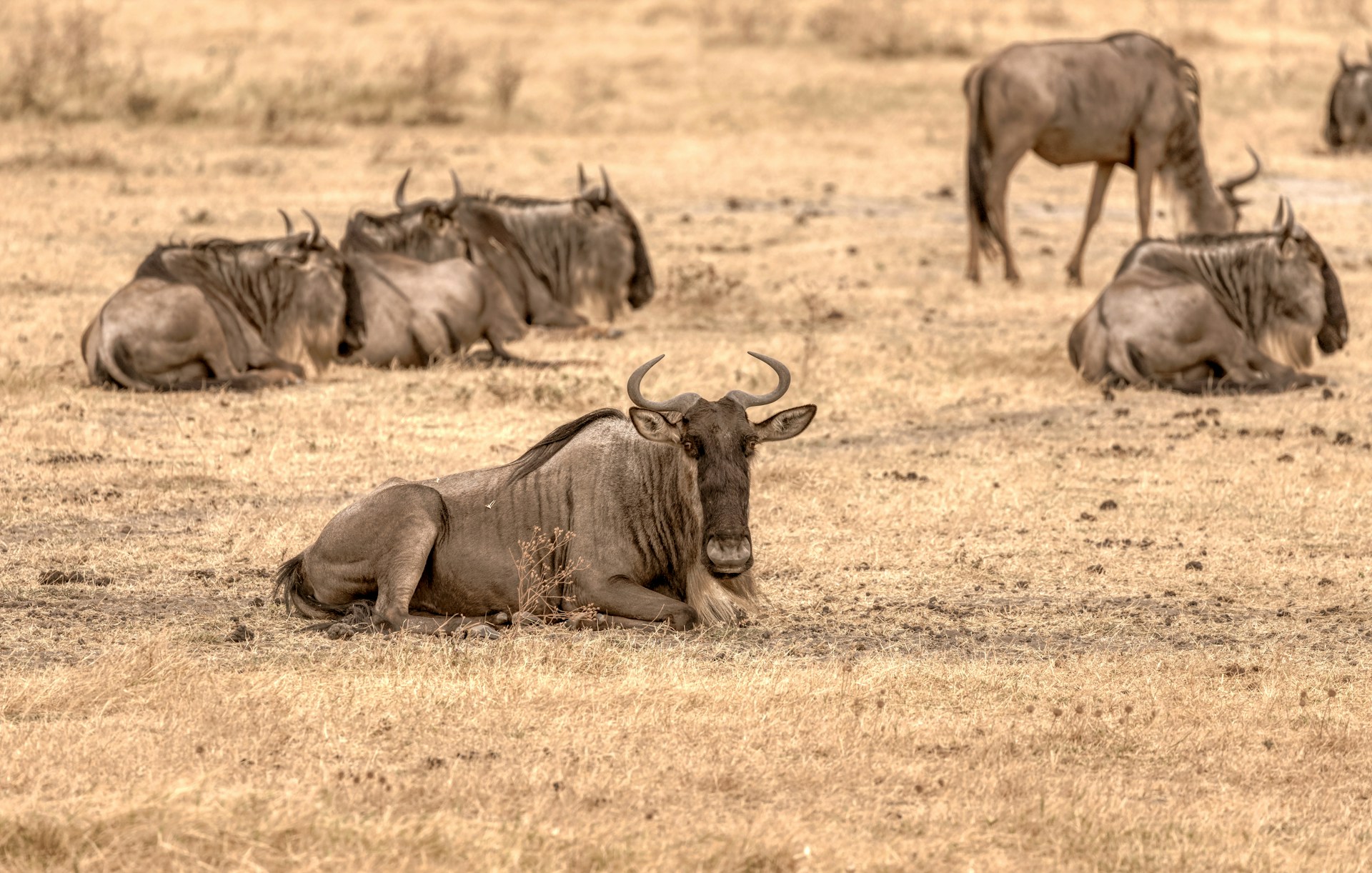
The Makgadikgadi ecosystem also hosts seasonal zebra migrations during the green season, attracting predators and transforming the desert landscape into a dynamic wildlife arena.
Desert safaris emphasize scale, solitude, and dramatic horizon lines rather than dense riverine concentration.
Best Time for a Botswana Wildlife Safari
The dry season from May to October is widely considered the prime safari period. As water sources diminish, wildlife concentrates around permanent rivers and delta channels, increasing visibility and encounter rates.
The green season from November to March introduces lush scenery and migratory birdlife. While wildlife disperses more widely, predator activity remains strong and visitor numbers are lower.
Each season offers a distinct wildlife dynamic shaped by rainfall and water availability.
Safari Styles and Access
Botswana wildlife safaris range from luxury fly-in lodge experiences to mobile camping expeditions and guided self-drive options. Fly-in safaris are common in the delta due to seasonal flooding and remote concession locations.
Mobile camping safaris allow strategic movement between regions, positioning guests near peak wildlife activity. Self-drive options are more common in accessible parks such as Chobe and Nxai Pan.
The country’s structured safari framework supports multiple travel styles while maintaining conservation priorities.
Overall Botswana Wildlife Safari Experience
Botswana delivers one of Africa’s most refined wildlife safari experiences through its combination of ecological diversity, strong conservation policies, and low-density tourism model. From elephants along riverbanks to predators in open floodplains and desert-adapted species across the Kalahari, the country offers remarkable biodiversity within expansive wilderness settings.
For travelers seeking immersive wildlife encounters with minimal crowding and high guiding standards, Botswana remains a benchmark safari destination in Southern Africa.
In Africa’s national parks, every sunrise paints a masterpiece — where the wild’s call echoes across endless horizons. Visiting these parks is to witness nature in its purest form, a timeless dance that stirs the soul.
Steps to Book Your Southern Africa Tour
Choose Your Adventure
Confirm Your Booking
Begin Your Journey
Ready to plan your tailor-made safari?