Botswana Food and Tipping Practices
February 1, 2026
Botswana Wildlife Safari
February 1, 2026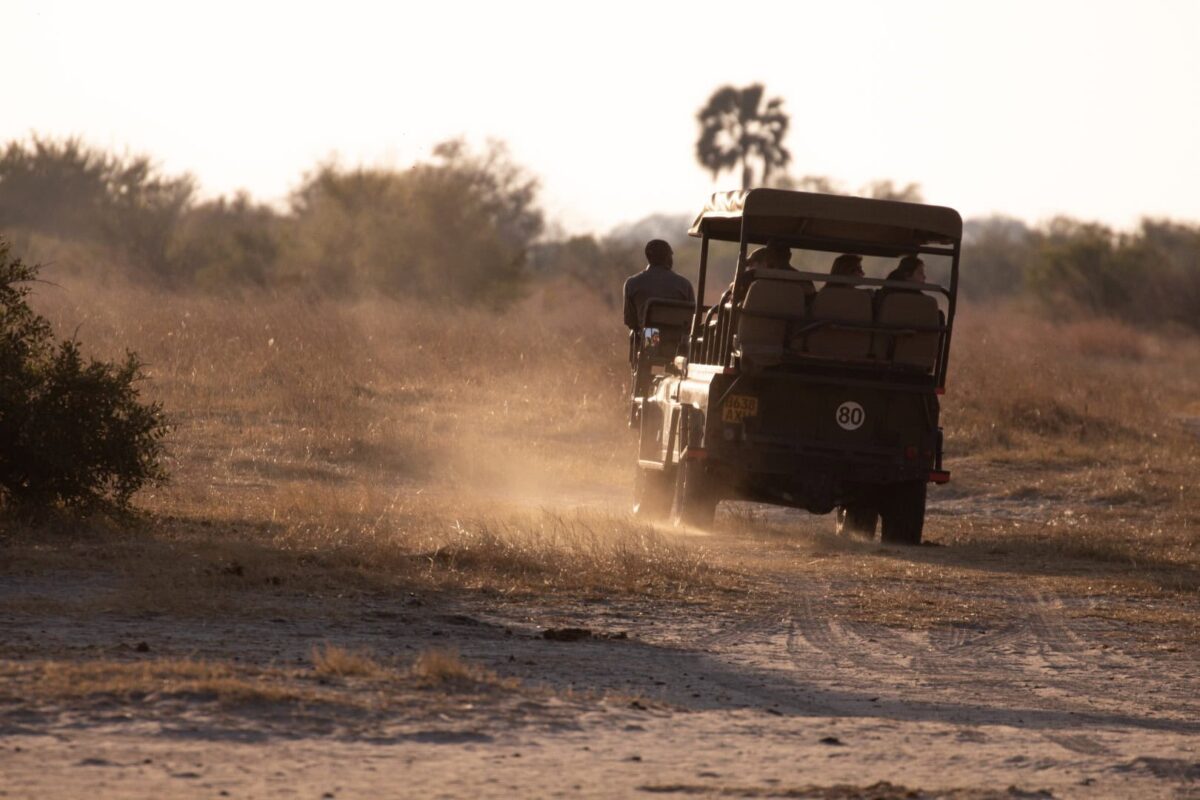
Botswana Safari Cost Guide
Botswana is widely regarded as one of Africa’s premium safari destinations, and its pricing reflects a deliberate high-value, low-volume tourism model. Unlike mass-market safari countries, Botswana limits visitor numbers in many private concessions to protect ecosystems and maintain exclusivity. As a result, safari costs are generally higher, but they often include a comprehensive level of service, guiding, and logistics.
Understanding Botswana safari costs requires looking beyond the nightly rate. Factors such as seasonality, concession access, flight transfers, and camp category significantly influence overall pricing.
Why Book This Destination
Explore More about Botswana Safari Cost Guide
Average Cost of a Botswana Safari
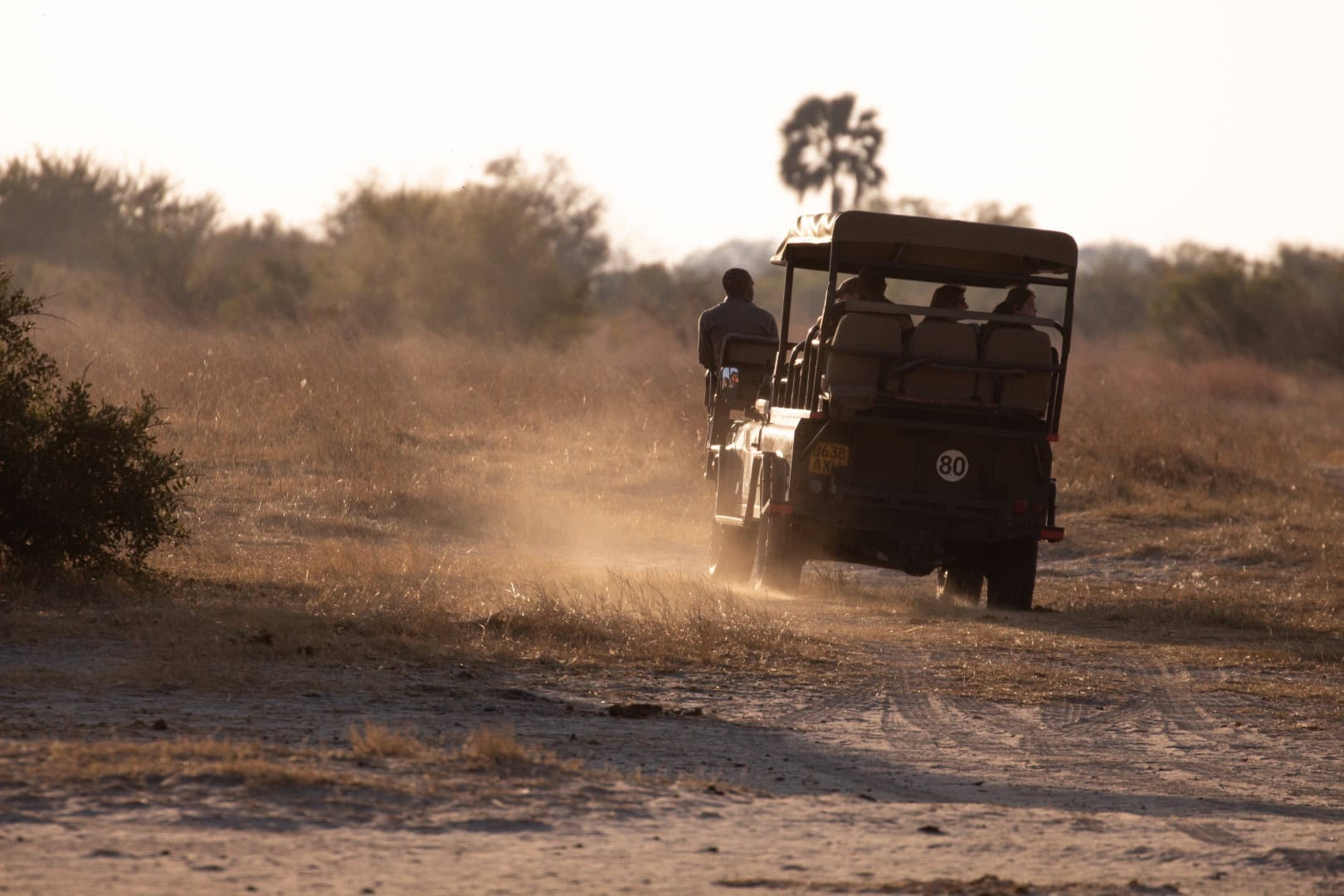
Botswana safari prices vary depending on comfort level and travel season. Luxury fly-in safaris in the Okavango Delta or Chobe National Park typically range from approximately USD 900 to USD 2,500 per person per night. Ultra-luxury properties may exceed this range during peak dry season months.
Midrange mobile camping safaris generally cost between USD 450 and USD 800 per person per night, depending on itinerary length and park combination. These packages often include guiding, meals, park fees, and ground transport but may exclude charter flights.
Self-drive options in national parks can be more affordable in terms of accommodation rates, though vehicle rental, fuel, park permits, and logistics add to the total expense.
What Is Usually Included in the Price
Most Botswana safari camps operate on an all-inclusive basis. Nightly rates typically include accommodation, meals, local beverages, game drives, and the services of professional guides. In private concessions, off-road driving and walking safaris may also be included.
Fly-in safaris often bundle light aircraft transfers between camps into package pricing, though this varies by operator. Park fees are commonly included in concession-based stays but may be charged separately in certain national park itineraries.
International flights to Botswana are almost always excluded from quoted safari prices.
Seasonal Price Differences
The dry season, generally from May to October, is considered peak safari season. Wildlife concentrates near permanent water sources, increasing viewing reliability. During this period, nightly rates are at their highest due to strong demand and optimal conditions.
The green season, typically from November to March, brings lower pricing and occasional promotional offers. While wildlife disperses more widely, birdlife flourishes and landscapes become vibrant. Travelers seeking value may find significant savings during this period without sacrificing overall quality.
Seasonality can influence safari costs by several hundred dollars per night.
Fly-In vs Road-Based Safari Costs
Fly-in safaris are a defining feature of Botswana’s tourism model. Because many concessions are remote and inaccessible by road during flood periods, light aircraft transfers are standard. These flights add logistical cost but dramatically reduce travel time and enhance exclusivity.
Road-based safaris, particularly in areas such as Chobe or Nxai Pan, may reduce transportation expenses. However, self-drive travelers must account for 4x4 vehicle rental, fuel, insurance, and park permits.
The choice between fly-in and road-based travel significantly impacts the overall safari budget.
Budget vs Luxury Safari Comparison
Botswana is not traditionally marketed as a budget safari destination. Its conservation policies prioritize low density and high service standards. Luxury camps in private concessions offer personalized guiding, spacious suites, and refined dining experiences, justifying higher nightly rates.
Mobile camping safaris provide a more cost-effective alternative while maintaining strong wildlife access. These safaris emphasize wilderness immersion rather than architectural luxury.
Even at the higher end of the price spectrum, Botswana delivers exclusivity rarely matched in other African destinations.
Additional Costs to Consider
Travelers should factor in international flights, travel insurance, gratuities, and optional premium activities such as scenic helicopter flights or specialized photography vehicles. Tipping guides and camp staff is customary and should be included in overall budgeting.
Visa fees are generally minimal or waived for many nationalities, but confirming entry requirements before travel is advisable.
Careful planning ensures transparency in final safari expenditure.
Is Botswana Worth the Cost?
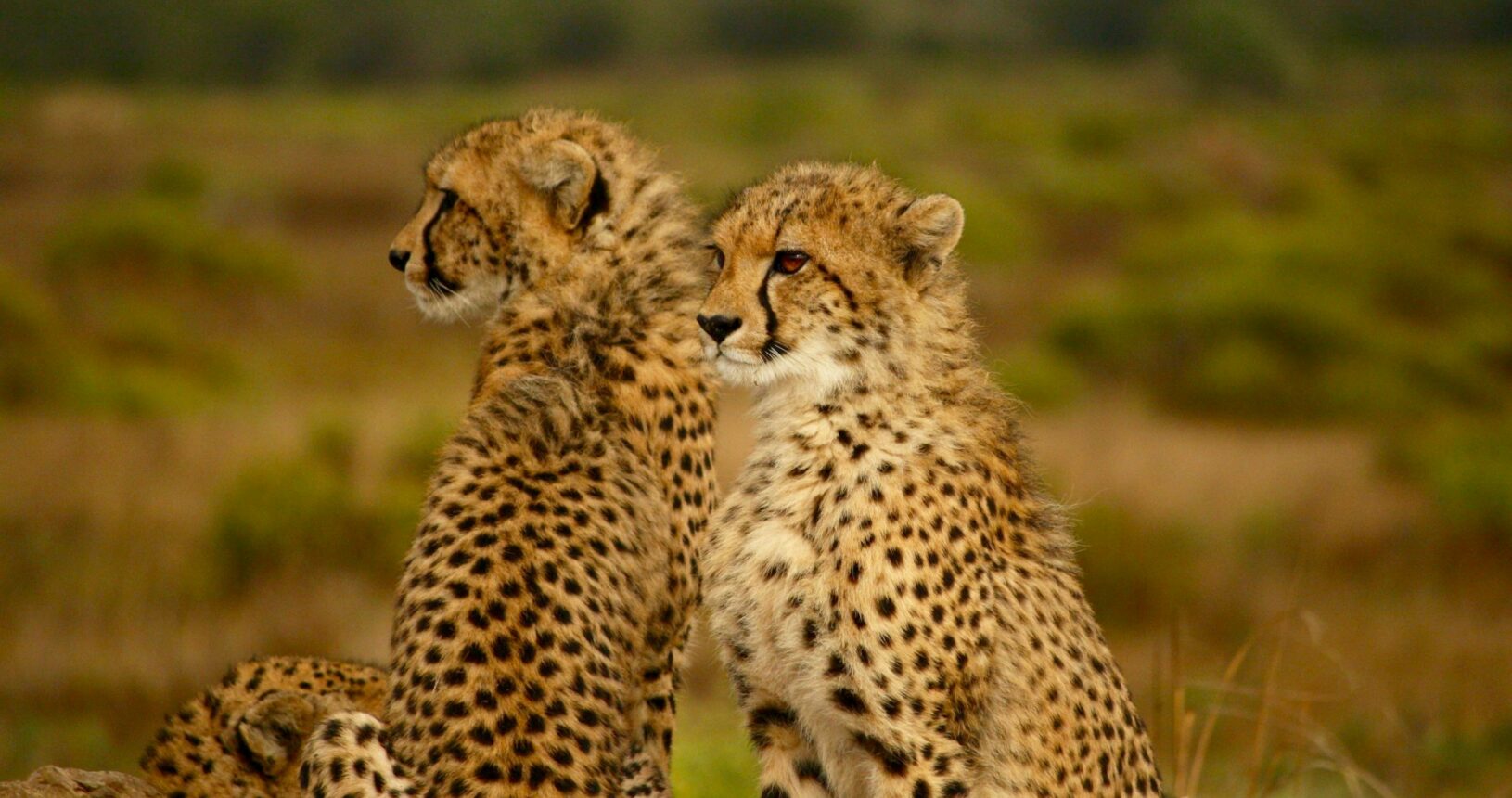
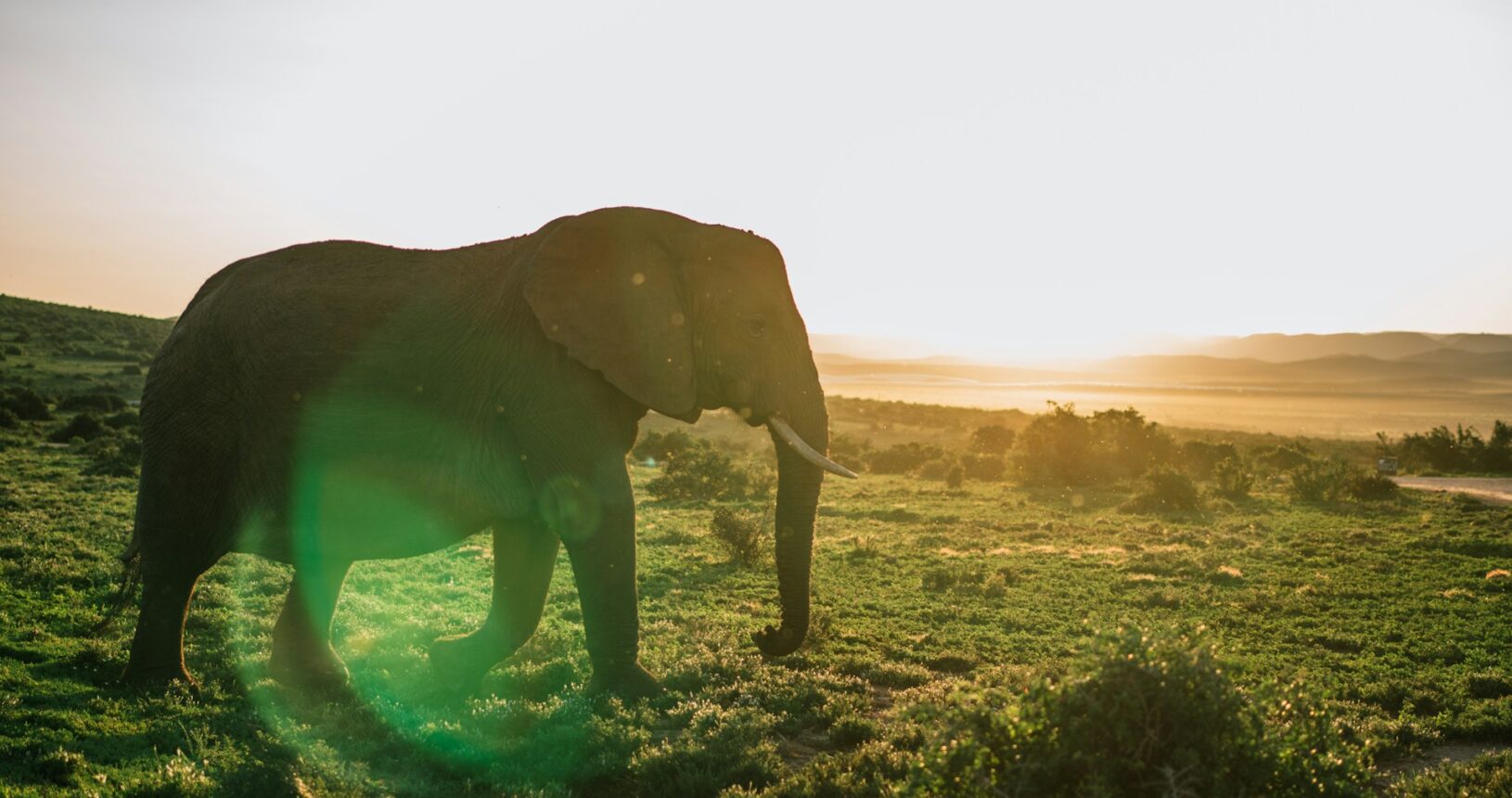
Botswana’s safari cost reflects its conservation strategy, limited visitor model, and remote wilderness access. The country offers large elephant populations, predator-rich ecosystems, and uncrowded wildlife sightings in globally significant landscapes.
For travelers prioritizing exclusivity, privacy, and ecological integrity, Botswana justifies its premium positioning. Those seeking lower-cost safari options may consider alternative destinations, but few can match Botswana’s combination of pristine environment and structured luxury.
In Africa’s national parks, every sunrise paints a masterpiece — where the wild’s call echoes across endless horizons. Visiting these parks is to witness nature in its purest form, a timeless dance that stirs the soul.
Steps to Book Your Southern Africa Tour
Choose Your Adventure
Confirm Your Booking
Begin Your Journey
Ready to plan your tailor-made safari?