
Solo Safaris in Botswana
February 1, 2026
Botswana Safari Cost
February 1, 2026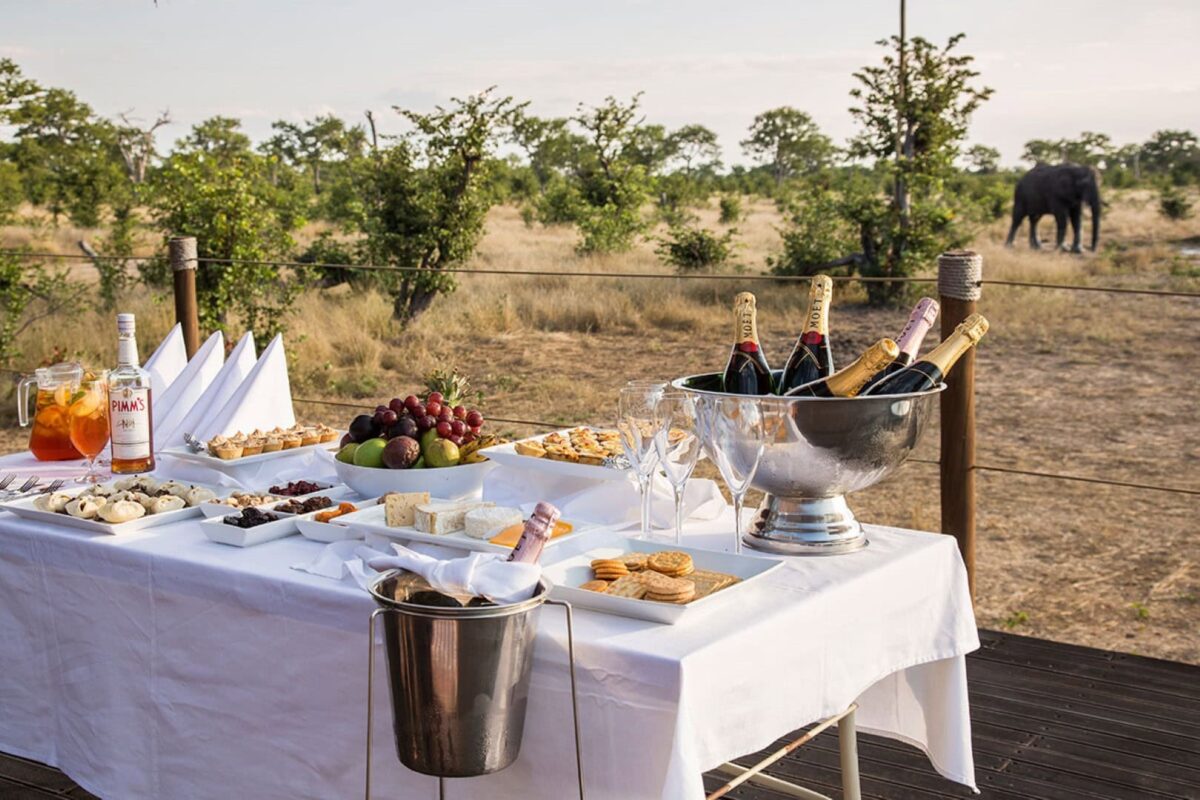
Botswana Food and Tipping Practices
Botswana offers a culinary experience shaped by tradition, simplicity, and modern safari hospitality. While Botswana is primarily known for wildlife and wilderness, food culture plays an important supporting role in both urban life and safari settings. Visitors can expect a blend of traditional Setswana cuisine, Southern African influences, and international dining standards within lodges and hotels.
Tipping practices in Botswana are generally discretionary rather than mandatory. However, within the safari industry, gratuities are customary and form part of the professional service structure. Understanding local food culture and tipping norms ensures a smooth and culturally respectful travel experience.
Why Book This Destination
Explore More about Botswana Food and Tipping Practices
Traditional Food in Botswana
Botswana’s traditional cuisine is rooted in hearty, protein-based dishes reflecting pastoral heritage. One of the most iconic national dishes is seswaa, a slow-cooked shredded beef or goat meal typically served with pap, a maize porridge similar to South Africa’s mielie meal. Seswaa is commonly prepared for celebrations and community gatherings.
Morogo, a leafy green vegetable dish, often accompanies staple meals. Sorghum and maize are foundational grains in local diets, and dishes are typically simple, filling, and prepared with minimal spice.
While traditional cuisine emphasizes practicality and nourishment, urban restaurants may incorporate modern variations and regional influences from neighboring Southern African countries.
Food in Safari Camps and Lodges
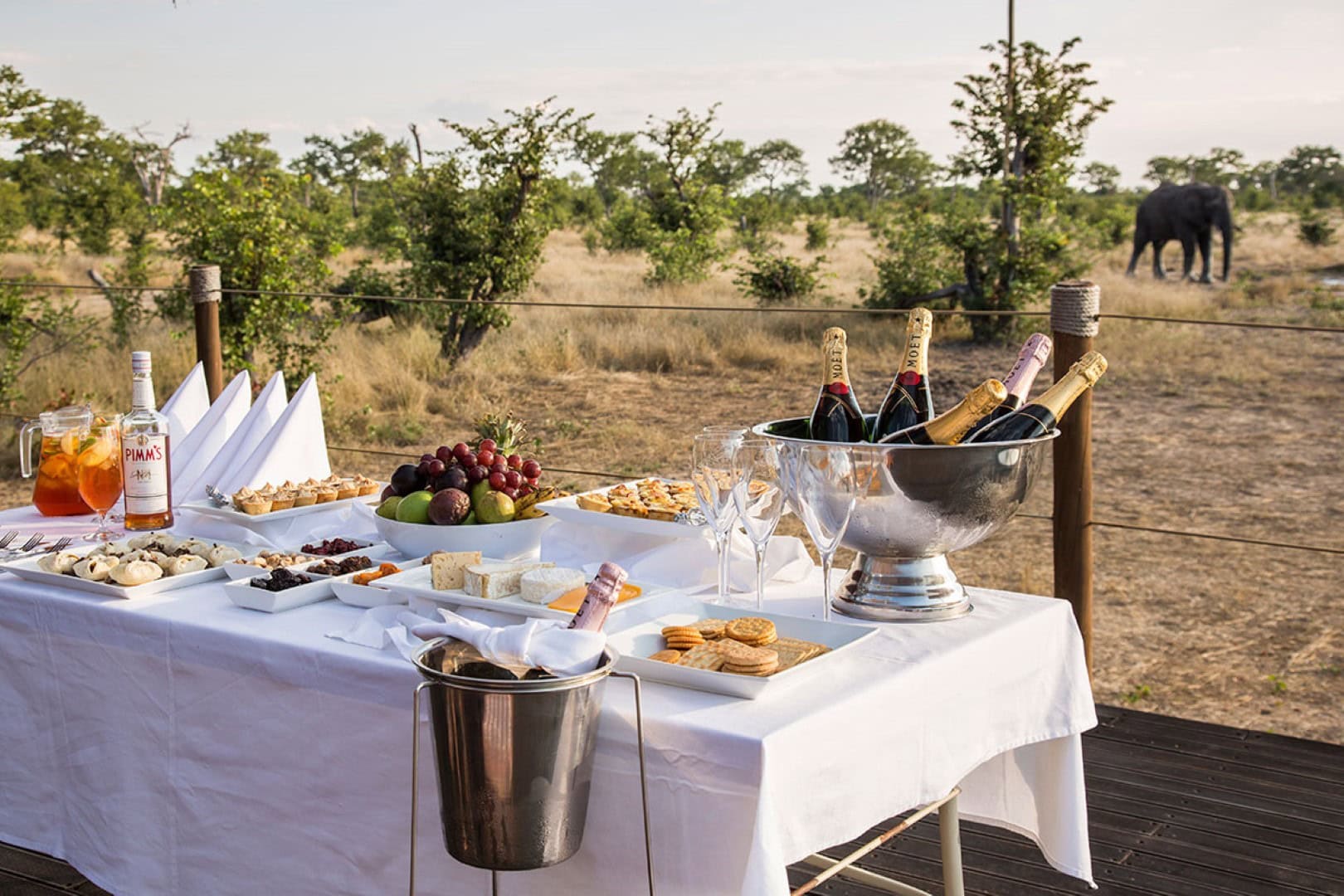
In Botswana’s safari regions, culinary experiences differ significantly from traditional rural meals. Luxury lodges in areas such as the Okavango Delta and Chobe National Park offer internationally inspired menus prepared by trained chefs.
Meals are often multi-course and may include grilled meats, fresh vegetables, seafood imports, and curated wine selections. Dietary preferences such as vegetarian, vegan, gluten-free, and allergy-sensitive requests are typically accommodated with advance notice.
Dining settings range from indoor lounges to open-air decks and bush dinners under the stars. Despite the remote location of many camps, food standards remain high and service is personalized.
Street Food and Urban Dining
In cities such as Gaborone and Maun, visitors will find a mix of local eateries, international restaurants, and hotel dining options. Street food is less prominent compared to some other African countries, but grilled meats and simple takeaway meals are available in certain areas.
Urban dining reflects a blend of local flavors and global influences, including South African-style steakhouses and contemporary African fusion cuisine. Food safety standards in established restaurants and safari lodges are generally reliable.
Travelers can comfortably explore dining options without significant concern when choosing reputable establishments.
Tipping in Restaurants
Tipping in Botswana’s urban restaurants is appreciated but not strictly mandatory. A gratuity of around 10 percent is common if service has been satisfactory. In higher-end establishments, service charges may already be included in the bill, so reviewing the invoice before tipping is advisable.
Hotel staff such as porters or housekeeping attendants may also receive small discretionary tips depending on service level.
The culture of tipping exists but is not as aggressively expected as in some Western countries.
Tipping on Safari
Tipping within safari environments follows a more structured convention. Professional guides, trackers, and camp staff rely partly on gratuities as part of their overall compensation.
While exact amounts vary by lodge category, it is common practice to tip guides and general staff separately at the end of a stay. Many camps provide recommended tipping guidelines in guest information materials to ensure clarity.
Gratuities are usually given in cash, often in US dollars or Botswana pula, and placed in designated envelopes for distribution.
Safari tipping is considered customary and forms part of the expected travel budget.
Currency and Practical Considerations
Botswana’s official currency is the Botswana pula. US dollars are widely accepted in safari camps, particularly for tipping purposes. Credit cards are commonly used in urban hotels and established lodges, though smaller establishments may prefer cash.
Carrying small denominations for gratuities simplifies transactions, especially in remote areas where change may not always be readily available.
Planning ahead ensures smooth tipping practices throughout the journey.
Overall Food and Tipping Experience
Botswana’s food culture combines traditional rural heritage with refined safari hospitality. Visitors can enjoy authentic dishes such as seswaa alongside contemporary lodge cuisine prepared to international standards.
Tipping practices remain moderate and respectful, with restaurant gratuities discretionary and safari tipping customary. Understanding these norms allows travelers to navigate dining and service interactions confidently and appropriately.
Botswana’s culinary and hospitality framework complements its wilderness reputation, delivering both authenticity and professional service across travel environments.
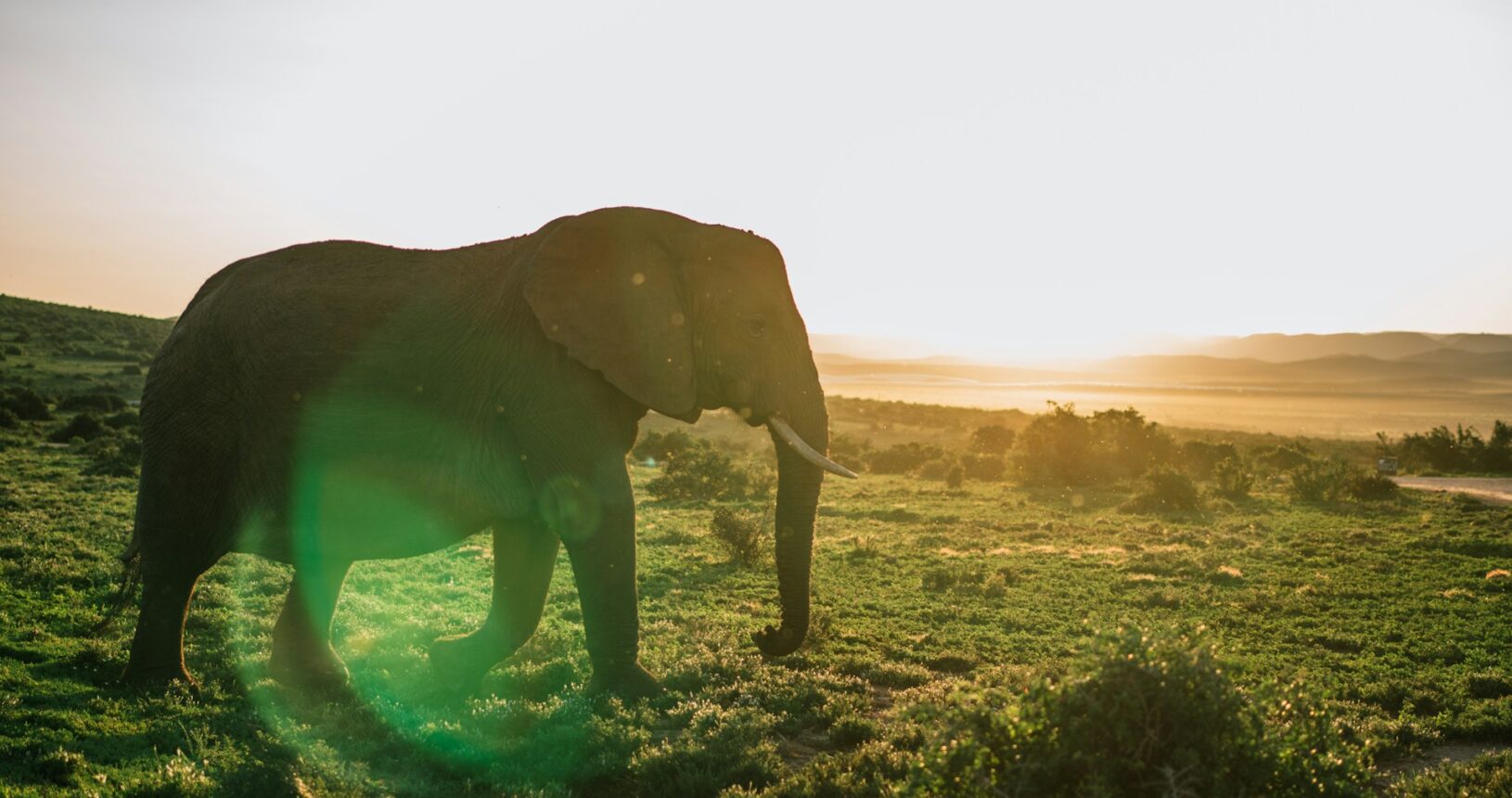
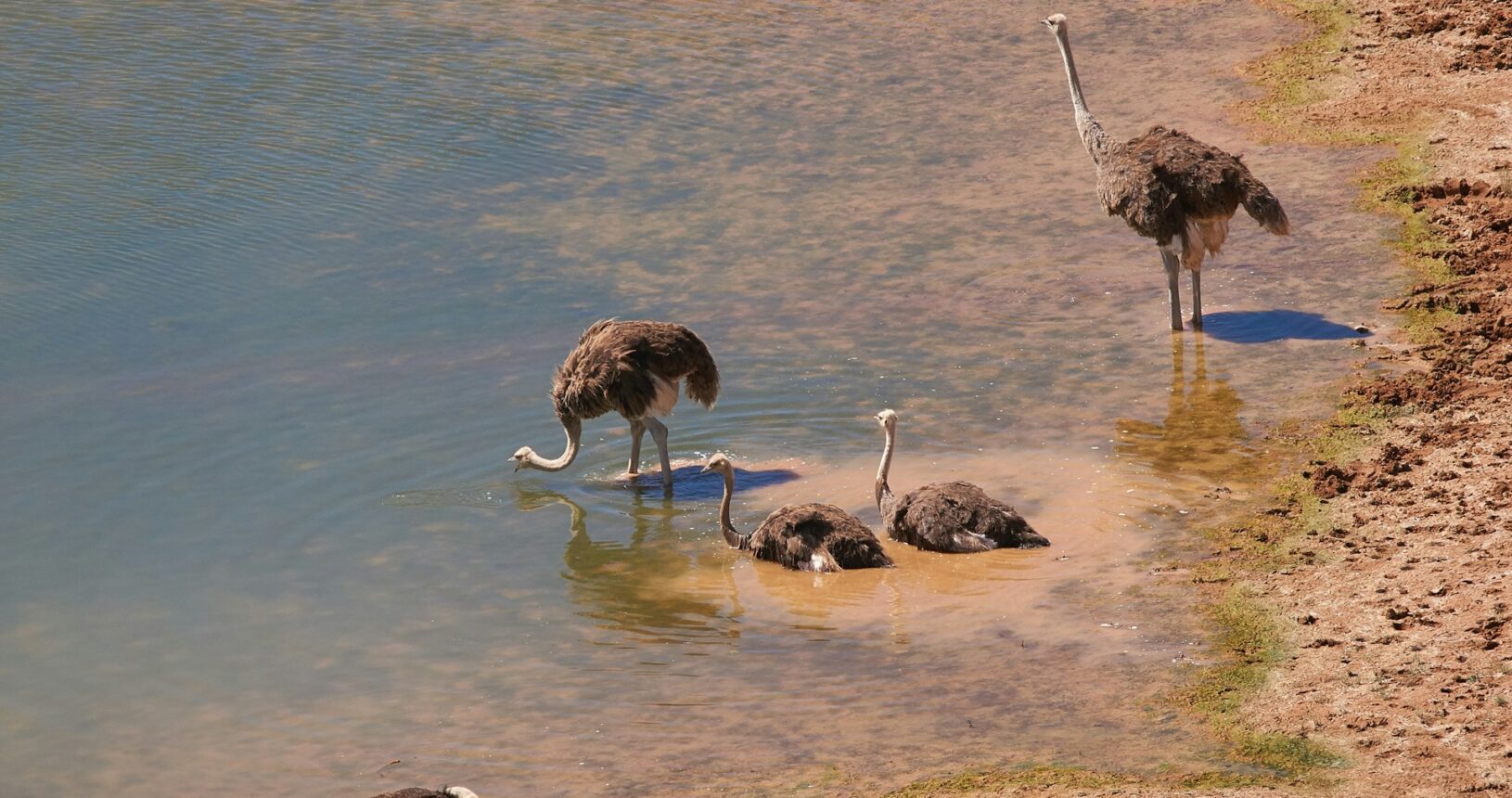
In Africa’s national parks, every sunrise paints a masterpiece — where the wild’s call echoes across endless horizons. Visiting these parks is to witness nature in its purest form, a timeless dance that stirs the soul.

Steps to Book Your Southern Africa Tour
Choose Your Adventure
Confirm Your Booking
Begin Your Journey
Ready to plan your tailor-made safari?