Tuli Block
February 1, 2026
Botswana Birding
February 1, 2026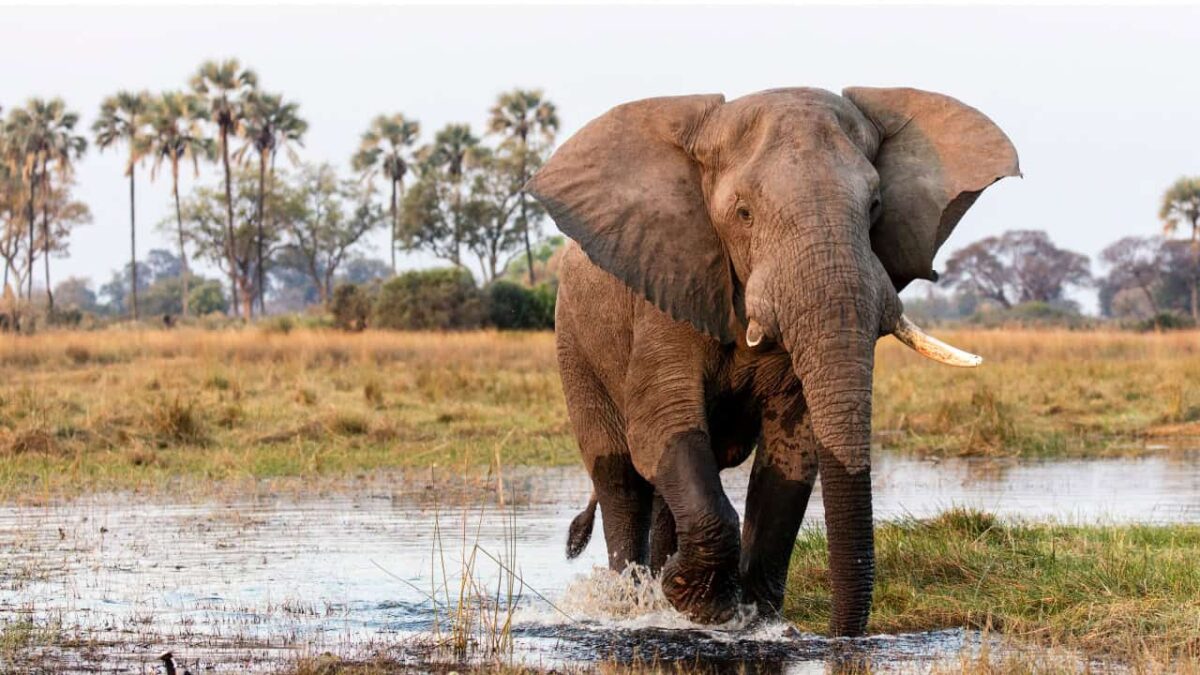
Botswana Big Five
Botswana is one of Africa’s premier Big Five safari destinations, offering exceptional wildlife density, uncrowded game viewing, and a conservation-led tourism model. Unlike high-traffic safari circuits elsewhere on the continent, Botswana limits visitor numbers in many concessions, creating intimate and highly rewarding wildlife encounters.
The term “Big Five” refers to lion, leopard, elephant, buffalo, and rhinoceros. While Botswana excels with four of the five across multiple ecosystems, rhino sightings are more regionally concentrated. Understanding where and how to experience each species is essential for planning a successful Botswana Big Five safari.
Why Book This Destination
Explore More about Botswana Big Five
Lion in Botswana
Botswana supports a strong lion population, particularly in the floodplains and woodlands of the Okavango Delta and the predator-rich regions of Chobe National Park. Lions here are known for their adaptability, often hunting in wetland environments where they navigate channels and seasonal floodplains.
The Savuti region of Chobe is especially renowned for dramatic lion behavior, including elephant-hunting prides during dry seasons. Because Botswana restricts vehicle numbers in private concessions, lion sightings are typically less crowded and more immersive compared to mass-tourism destinations.
Elephant in Botswana
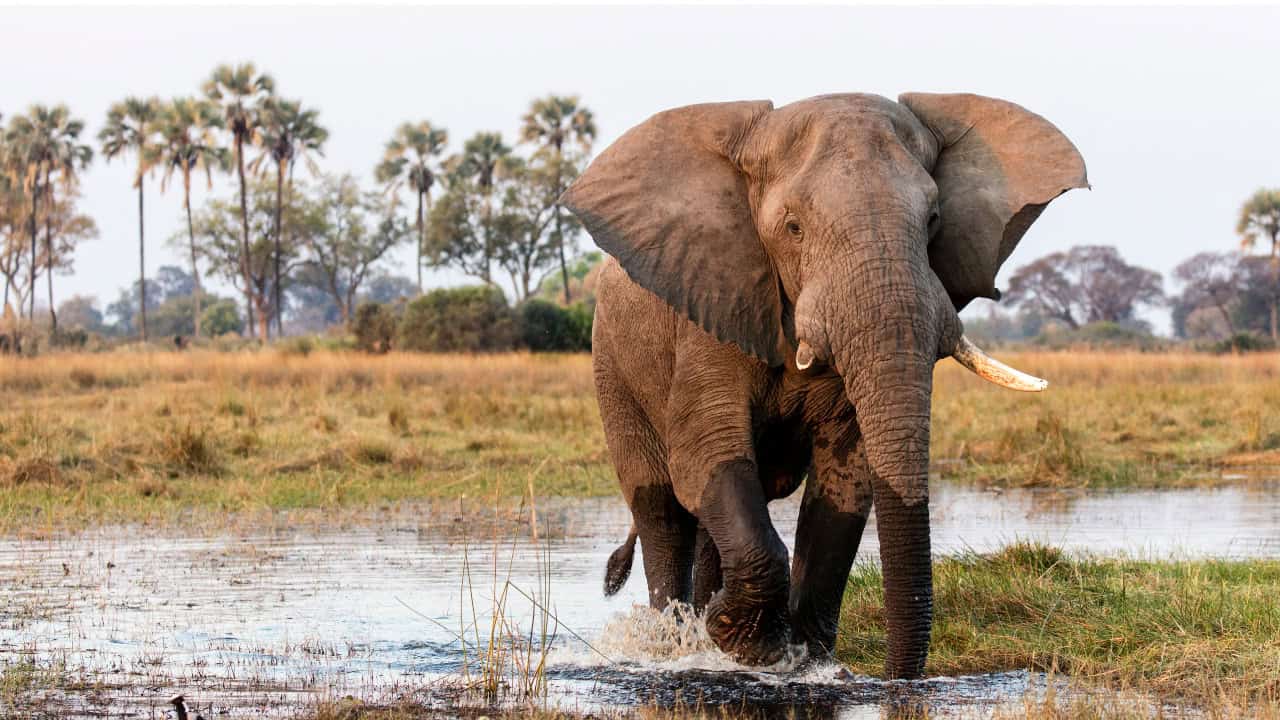
Botswana is widely regarded as the elephant capital of Africa. The country holds one of the largest elephant populations on the continent, with particularly high concentrations along the Chobe River. During the dry season, large herds gather along riverbanks, creating some of Africa’s most iconic wildlife spectacles.
Boat-based safaris in Chobe offer close-range elephant viewing as animals drink, bathe, and cross the river. In the Okavango Delta, elephants move between islands and floodplains, sometimes swimming across channels. The sheer scale of Botswana’s elephant herds is one of the country’s defining safari features.
Leopard in Botswana
Leopards thrive in Botswana’s mixed woodland and riverine environments. These elusive predators are frequently seen in private concessions within the Okavango Delta, where professional trackers follow subtle signs such as alarm calls and tracks.
Because Botswana emphasizes low vehicle density, leopard sightings are often calm and prolonged. Guides can position vehicles thoughtfully without the pressure of large crowds. Night drives in certain concessions increase the chances of observing leopard movement after sunset, adding depth to the safari experience.
Buffalo in Botswana
African buffalo are common in Botswana’s northern ecosystems. Large herds roam the floodplains and grasslands, particularly in Chobe and the Okavango Delta. Buffalo are often observed grazing in open areas or gathering near water sources during the dry season.
Their presence also supports strong predator activity, as lions frequently target buffalo herds. The interaction between these species contributes to Botswana’s reputation for dynamic wildlife encounters.
Rhinoceros in Botswana
Rhino populations in Botswana are more limited compared to elephant or lion populations, but conservation initiatives have strengthened their presence in recent years. Reintroduced and protected rhino populations can be found in specific areas, including parts of the Okavango Delta and dedicated conservation zones.
Due to security measures surrounding rhino protection, sightings are carefully managed and may not be as predictable as other Big Five species. However, Botswana’s commitment to anti-poaching and conservation has helped re-establish rhino populations in key regions.
Best Places for Big Five Safaris in Botswana
The Okavango Delta offers a multi-ecosystem environment where four of the Big Five are regularly encountered, with rhino sightings dependent on specific conservation areas. Its combination of land and water-based activities creates diverse wildlife opportunities.
Chobe National Park, particularly the Savuti and riverfront regions, delivers exceptional elephant and lion viewing, alongside strong buffalo populations. Leopard sightings are also possible, especially in wooded areas.
Private concessions adjacent to major parks often provide the most exclusive and well-guided Big Five experiences, supported by highly trained trackers and low visitor density.
When to See the Big Five in Botswana
The dry season, typically from May to October, is considered the prime period for Big Five safaris. As water sources shrink, wildlife concentrates around rivers and permanent channels, increasing visibility and encounter frequency.
During the green season, from November to March, landscapes become lush and birdlife flourishes. While wildlife disperses more widely, predator activity remains strong, and visitor numbers are lower.
Seasonal timing influences visibility but does not eliminate the possibility of sightings year-round.
Overall Big Five Experience in Botswana
Botswana offers one of Africa’s most refined Big Five safari experiences. Its conservation-focused model, expansive wilderness areas, and limited vehicle numbers create an atmosphere of exclusivity rarely matched elsewhere.
While rhino sightings may require targeted planning, the country excels in lion, elephant, leopard, and buffalo encounters. Combined with water-based safari activities and pristine landscapes, Botswana remains a leading destination for travelers seeking an authentic and immersive Big Five safari.
In Africa’s national parks, every sunrise paints a masterpiece — where the wild’s call echoes across endless horizons. Visiting these parks is to witness nature in its purest form, a timeless dance that stirs the soul.
Steps to Book Your Southern Africa Tour
Choose Your Adventure
Confirm Your Booking
Begin Your Journey
Ready to plan your tailor-made safari?