Safaris & Tours In Mauritius
January 31, 2026
Experiences in Mauritius
January 31, 2026
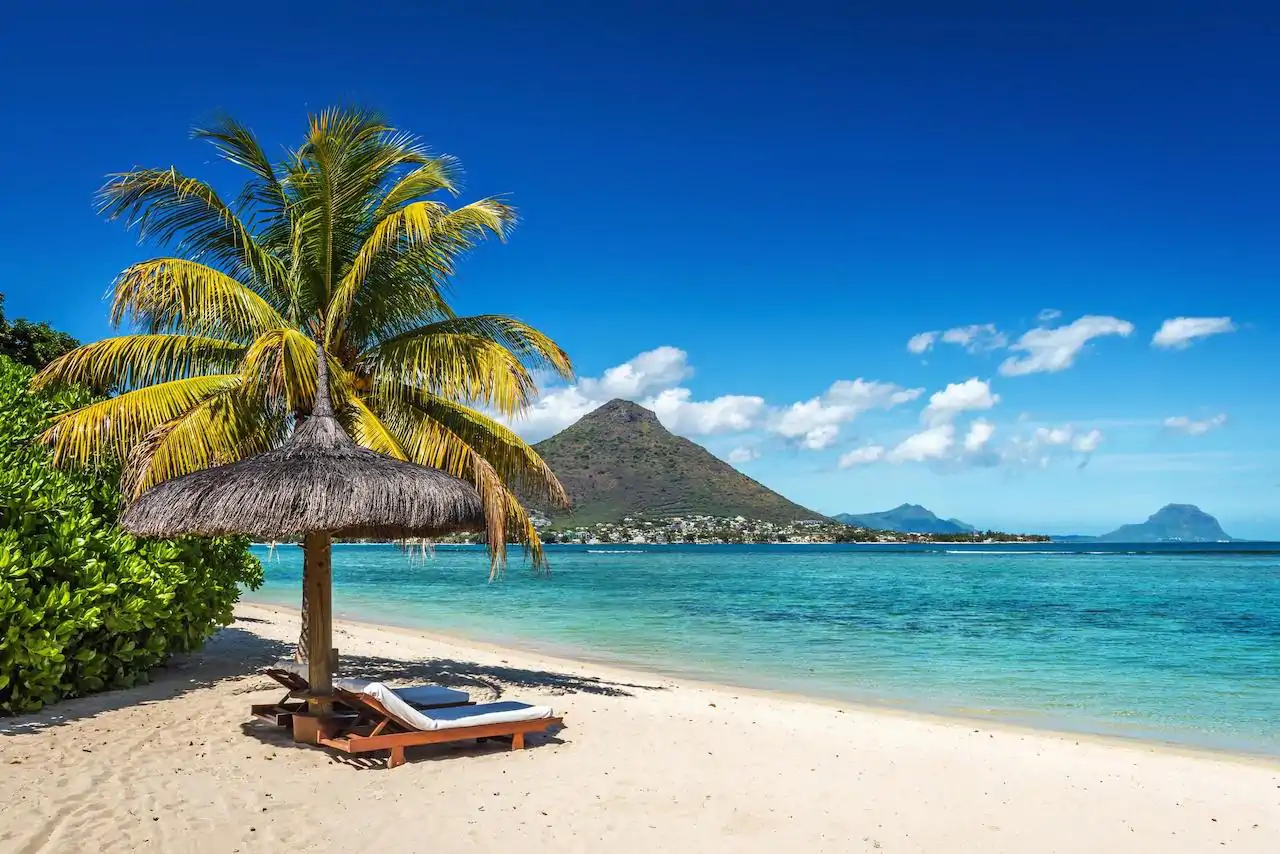
Mauritius
When to go to Mauritius For Safaris
The best time to visit Mauritius is generally during the dry winter months from May to October, when the weather stays sunny, humidity drops, and temperatures remain comfortably warm along the coast. Trade winds keep the air fresh, rainfall stays low, and conditions suit beach relaxation, hiking in Black River Gorges National Park, snorkeling, diving, and catamaran cruises. The sea remains pleasant for swimming, and visibility for marine activities is often excellent.
However, the summer season from November to April brings hotter temperatures, higher humidity, and occasional tropical showers—usually short and intense rather than continuous. This period also offers warmer ocean waters, vibrant greenery, and ideal conditions for diving and deep-sea fishing, making it a great choice for travellers who prefer lush scenery and a lively island atmosphere.
Why Book Any Time Of The Year
Tips For First Time Travellers
For first-time travelers to Mauritius, keep your itinerary balanced between relaxation and light exploration so you can enjoy the island without overpacking your schedule. Choose accommodation close to the beaches or lagoons you want to experience most, and pre-book airport transfers and key excursions such as catamaran cruises, Chamarel Seven Colored Earth visits, or Le Morne hikes. Pack breathable clothing, swimwear, reef-safe sunscreen, a light layer for breezy evenings, and basic travel essentials. While Mauritius is safe and well-developed, respect local customs, especially in temples and rural communities, and dress modestly when visiting cultural sites. Allow time to enjoy the island’s slow pace—whether you are snorkeling in clear turquoise waters, tasting Creole cuisine, or watching the sunset over the Indian Ocean, the most memorable moments often come when you simply pause and take it in.
Month By Month
January
January in Mauritius
Tropical Summer Heat, Warm Seas, and Lively Island Energy
January falls within the heart of Mauritius’ tropical summer season, bringing high temperatures, warm ocean waters, and lush coastal landscapes. The island appears vibrant and green following seasonal rains, with sugarcane fields, mountain slopes, and coastal vegetation thriving under humid conditions. The Indian Ocean remains warm and inviting, shaping the island’s relaxed yet energetic atmosphere.
Tourism remains active in January due to international holiday travel, yet the island’s wide distribution of beaches and resorts maintains balance. Experiences feel dynamic, combining beach relaxation, marine exploration, and cultural discovery. January appeals to travelers seeking tropical warmth, warm seas, and a lively island environment.
Understanding the January Weather in Mauritius
January is one of the warmest and most humid months in Mauritius. Daytime temperatures typically range between 24 °C and 32 °C, with humidity levels noticeably higher than during the winter season. Rainfall occurs intermittently, often as short tropical showers or localized afternoon storms rather than prolonged rain.
Coastal areas benefit from sea breezes that moderate the heat, while inland regions can feel warmer and more humid. The ocean temperature averages around 27 °C, creating excellent conditions for swimming and water activities. Although January falls within the broader cyclone season, direct impacts remain infrequent and are closely monitored.
Wildlife and Marine Experiences in January
Mauritius does not operate as a traditional safari destination, but January offers strong marine and nature-based experiences. The warm ocean supports vibrant coral reef ecosystems, making snorkeling and diving particularly rewarding. Visibility underwater remains good between weather systems, and marine life remains active across lagoons and reef zones.
Dolphin encounters along the west coast remain possible, and offshore waters offer seasonal big-game fishing opportunities. Inland nature reserves and hiking trails display lush greenery, with birdlife active in forested areas.
Average January Weather in Mauritius
Across coastal regions, temperatures generally range from 24 °C to 32 °C, with rainfall averaging between 150 and 250 mm during the month, depending on location. Northern and western coasts typically receive slightly less rainfall than the central plateau and eastern regions.
Sea temperatures remain warm at approximately 27 °C, enhancing swimming and marine activities throughout the month.
Best Places to Visit in Mauritius in January
The north and west coasts perform particularly well in January due to relatively lower rainfall and calmer lagoon conditions. Grand Baie and Flic en Flac provide accessible beaches and marine excursions, while the Le Morne Peninsula offers scenic landscapes and water sports opportunities.
The Black River Gorges National Park showcases lush hiking trails and panoramic viewpoints during this green season. Eastern beaches remain beautiful but may experience stronger winds and heavier showers.
Activities to Enjoy in January
January supports a wide range of tropical island activities. Snorkeling, diving, and lagoon swimming remain primary highlights due to warm sea temperatures. Catamaran cruises and dolphin excursions operate frequently, weather permitting.
Hiking in inland reserves and exploring waterfalls becomes especially scenic during this lush period. Cultural visits, rum distillery tours, and local market exploration integrate easily into itineraries during brief rain intervals. January delivers a vibrant, warm, and water-focused Mauritius experience shaped by tropical summer energy.
February
February in Mauritius
Peak Tropical Summer, Warm Seas, and Lush Island Landscapes
February continues Mauritius’ tropical summer season, maintaining high temperatures, warm ocean waters, and richly green landscapes. The island remains vibrant and humid, with vegetation thriving under seasonal rainfall and mountain interiors appearing especially lush. Coastal lagoons retain their clear turquoise tones, contrasting with dramatic cloud formations that often build inland during the afternoon.
Tourism remains steady in February, though visitor distribution across beaches and resorts prevents overcrowding. Experiences feel relaxed yet energetic, shaped by warm weather, active marine life, and tropical scenery. February appeals to travelers seeking high ocean temperatures, vibrant natural landscapes, and a classic Indian Ocean summer atmosphere.
Understanding the February Weather in Mauritius
February is typically the warmest and most humid month of the year in Mauritius. Daytime temperatures generally range between 24 °C and 33 °C, with humidity levels remaining elevated. Rainfall occurs periodically, often as short, heavy showers or localized afternoon thunderstorms rather than extended periods of rain.
Sea temperatures average around 28 °C, creating exceptionally comfortable swimming and snorkeling conditions. While February falls within the broader cyclone season, direct impacts are infrequent and closely monitored by local authorities and resorts. Coastal breezes help moderate daytime heat, particularly along the northern and western shores.
Wildlife and Marine Experiences in February
Mauritius offers strong marine-focused experiences in February due to warm water temperatures and active reef ecosystems. Snorkeling and diving remain rewarding, with coral gardens and tropical fish species visible in sheltered lagoons. Visibility underwater can vary after heavy rainfall but generally remains good between weather systems.
Dolphin encounters along the west coast continue to attract visitors, while offshore waters support seasonal sport fishing opportunities. Inland, birdlife remains active in forest reserves, and waterfalls flow strongly due to ongoing rainfall.
Average February Weather in Mauritius
Across coastal regions, temperatures generally range from 24 °C to 33 °C, with rainfall averaging between 160 and 260 mm depending on location. The central plateau typically receives more rainfall than the drier northern and western coasts.
Sea temperatures remain high at approximately 28 °C, supporting a wide range of marine activities throughout the month.
Best Places to Visit in Mauritius in February
The north and west coasts continue to perform best during February due to slightly lower rainfall and calmer lagoon waters. Grand Baie and Flic en Flac provide consistent beach conditions and access to marine excursions. The Le Morne Peninsula remains attractive for water sports and scenic coastal views.
Black River Gorges National Park appears particularly lush during this period, offering green hiking trails and flowing waterfalls. Eastern beaches remain scenic but may experience stronger trade winds and occasional heavier showers.
Activities to Enjoy in February
February supports a variety of tropical island activities centered on the ocean and coastal exploration. Snorkeling, diving, and lagoon swimming remain primary highlights due to warm sea temperatures. Catamaran cruises and dolphin-watching excursions operate regularly, weather permitting.
Hiking through forest reserves becomes especially scenic as vegetation thrives under summer rainfall. Cultural visits, rum tastings, and local market exploration integrate well into itineraries during dry intervals. February delivers a warm, water-focused, and visually rich Mauritius experience shaped by peak tropical summer conditions.
March
March in Mauritius
Late Summer Warmth, Gradual Seasonal Shift, and Calm Ocean Conditions
March marks the latter phase of Mauritius’ tropical summer season, maintaining warm temperatures and high sea levels while gradually easing out of the peak humidity of January and February. Landscapes remain lush and vibrant, nourished by seasonal rainfall, while lagoons retain their bright turquoise clarity. The island atmosphere begins to feel slightly calmer as the intensity of mid-summer slowly softens.
Tourism remains steady but less concentrated than during peak holiday periods. Beaches feel relaxed, marine excursions operate consistently, and inland exploration becomes more comfortable as humidity begins to moderate. March appeals to travelers seeking warm ocean conditions, green landscapes, and a slightly more balanced tropical climate.
Understanding the March Weather in Mauritius
March remains warm and humid, though rainfall begins to decrease slightly compared to the preceding months. Daytime temperatures typically range between 24 °C and 32 °C, with warm evenings and moderate humidity. Rain showers still occur, often in short bursts or localized afternoon storms rather than prolonged rainfall.
Sea temperatures remain high at approximately 28 °C, supporting excellent swimming, snorkeling, and diving conditions. While March still falls within the broader cyclone season, the statistical likelihood of major systems begins to decline toward the end of the month. Coastal breezes continue to moderate daytime heat, particularly along the northern and western shores.
Wildlife and Marine Experiences in March
Marine activities remain at their strongest in March due to warm water temperatures and stable lagoon conditions between rain systems. Snorkeling and diving continue to offer vibrant reef life and clear visibility in sheltered areas. Coral ecosystems remain active, and tropical fish species are abundant.
Dolphin encounters off the west coast remain reliable, while offshore waters continue to support seasonal big-game fishing. Inland nature reserves remain green and lively, with waterfalls flowing well and birdlife active within forested habitats.
Average March Weather in Mauritius
Across coastal regions, temperatures generally range from 24 °C to 32 °C, with rainfall averaging between 120 and 220 mm depending on location. The central plateau continues to receive more rainfall than the drier northern and western coasts.
Sea temperatures remain consistently warm at approximately 28 °C, creating ideal marine recreation conditions.
Best Places to Visit in Mauritius in March
The north and west coasts continue to perform strongly in March due to relatively lower rainfall and calm lagoon waters. Grand Baie and Flic en Flac remain attractive for beach stays and marine excursions. Le Morne offers scenic coastal landscapes and strong water sports opportunities under stable wind conditions.
Black River Gorges National Park remains lush and scenic, with well-defined hiking trails and active waterfalls. Eastern beaches retain natural beauty but may experience occasional trade winds and heavier showers.
Activities to Enjoy in March
March supports a wide range of tropical island activities with slightly more comfort than peak summer months. Snorkeling, diving, and swimming remain key highlights due to warm ocean temperatures. Catamaran cruises and dolphin-watching tours operate frequently under favorable weather windows.
Hiking through forest reserves and exploring waterfalls remain particularly rewarding while landscapes are still green and vibrant. Cultural experiences, rum distillery tours, and market visits integrate smoothly into itineraries during brief rain intervals. March delivers a warm, visually rich Mauritius experience with a gradual shift toward more moderate seasonal conditions.
April
April in Mauritius
Transition to Autumn, Balanced Climate, and Calm Coastal Conditions
April marks the beginning of Mauritius’ transition from the tropical summer season into a more moderate autumn climate. Rainfall declines noticeably, humidity begins to ease, and the island retains its lush green appearance from the preceding months. The atmosphere feels calmer and more balanced, offering a comfortable blend of warmth and stability.
Tourism levels remain steady but less intense than during peak summer travel. Beaches feel relaxed, marine excursions operate smoothly, and inland exploration becomes more comfortable as heat and humidity subside. April appeals to travelers seeking warm ocean conditions combined with more temperate and predictable weather patterns.
Understanding the April Weather in Mauritius
April brings warm but increasingly moderate temperatures. Daytime conditions typically range between 23 °C and 30 °C, with noticeably lower humidity compared to January through March. Rainfall decreases significantly, though occasional short showers may still occur, particularly in the central plateau.
Sea temperatures remain warm at approximately 27 °C, supporting excellent swimming and marine activities. The broader cyclone season begins to taper off, reducing the likelihood of major weather disruptions. Coastal breezes provide additional comfort, especially along the north and west coasts.
Wildlife and Marine Experiences in April
Marine experiences remain strong in April due to warm sea temperatures and improving water clarity as rainfall decreases. Snorkeling and diving conditions stabilize, with vibrant coral reefs and diverse fish species visible across lagoon systems. Visibility underwater often improves compared to peak summer months.
Dolphin encounters along the west coast remain reliable, while offshore waters continue to support sport fishing. Inland nature reserves maintain green landscapes, though vegetation begins to settle into a less humid state. Birdlife remains active within forested areas and wetlands.
Average April Weather in Mauritius
Across coastal regions, temperatures generally range from 23 °C to 30 °C, with rainfall averaging between 80 and 150 mm depending on location. The central plateau may receive slightly higher rainfall totals than the drier northern and western coasts.
Sea temperatures average around 27 °C, maintaining ideal conditions for marine recreation.
Best Places to Visit in Mauritius in April
The north and west coasts perform particularly well in April due to lower rainfall and calm lagoon conditions. Grand Baie and Flic en Flac offer excellent beach environments and easy access to marine excursions. Le Morne remains attractive for scenic exploration and water sports under stable conditions.
Black River Gorges National Park provides comfortable hiking conditions as humidity decreases, while waterfalls continue to flow from earlier seasonal rains. Eastern beaches remain scenic but may experience occasional wind exposure.
Activities to Enjoy in April
April supports a wide range of tropical island activities under more comfortable climatic conditions. Snorkeling, diving, and lagoon swimming remain primary highlights due to warm sea temperatures and improved water clarity. Catamaran cruises and dolphin-watching tours operate reliably in calmer seas.
Hiking, waterfall exploration, and inland scenic drives become increasingly comfortable as humidity decreases. Cultural experiences, local market visits, and rum tastings integrate smoothly into itineraries with minimal weather interruption. April delivers a balanced Mauritius experience shaped by warm seas, reduced rainfall, and comfortable tropical conditions.
May
May in Mauritius
Autumn Calm, Comfortable Temperatures, and Excellent Coastal Clarity
May marks the clear establishment of Mauritius’ autumn season, bringing cooler evenings, lower humidity, and increasingly stable weather patterns. The island retains its green vibrancy from the summer rains, yet the atmosphere feels lighter and more balanced. Coastal waters remain warm, skies become clearer, and travel conditions grow consistently reliable.
Tourism begins to moderate in May, creating a relaxed and spacious island atmosphere. Beaches feel quieter, marine excursions operate smoothly, and inland exploration becomes especially comfortable. May appeals to travelers seeking warm ocean temperatures without peak summer humidity, combined with stable and predictable weather.
Understanding the May Weather in Mauritius
May brings mild and pleasant conditions across Mauritius. Daytime temperatures typically range between 21 °C and 28 °C, with noticeably lower humidity compared to summer months. Rainfall declines further, becoming infrequent and generally limited to brief showers, primarily in the central plateau.
Sea temperatures remain warm at approximately 26 °C, supporting comfortable swimming and marine activities. The cyclone season concludes, and weather patterns stabilize across the island. Trade winds begin to strengthen slightly toward the end of the month, particularly along the eastern coast.
Wildlife and Marine Experiences in May
Marine experiences remain highly rewarding in May due to warm sea temperatures and improving underwater clarity. Snorkeling and diving conditions are often excellent, especially along the northern and western lagoons where waters remain calm and sheltered.
Dolphin encounters off the west coast continue to attract visitors, while offshore fishing conditions remain productive. Inland, forest reserves appear lush yet less humid, making birdwatching and nature exploration increasingly comfortable.
Average May Weather in Mauritius
Across coastal regions, temperatures generally range from 21 °C to 28 °C, with rainfall averaging between 50 and 100 mm depending on location. The central plateau may receive slightly more rainfall than coastal areas.
Sea temperatures average around 26 °C, maintaining favorable conditions for swimming and water-based activities.
Best Places to Visit in Mauritius in May
The north and west coasts perform strongly in May due to calm lagoon conditions and minimal rainfall. Grand Baie and Flic en Flac offer relaxed beach environments and reliable marine excursions. Le Morne continues to provide scenic coastal views and favorable water sports conditions.
Black River Gorges National Park becomes especially appealing for hiking as temperatures moderate and humidity drops. Eastern beaches remain scenic but may experience slightly stronger trade winds toward the end of the month.
Activities to Enjoy in May
May supports a wide range of island activities under stable and comfortable conditions. Snorkeling, diving, and lagoon swimming remain central highlights due to warm sea temperatures and improved visibility. Catamaran cruises and dolphin-watching tours operate smoothly in calmer seas.
Hiking, waterfall exploration, and scenic drives become particularly enjoyable as the climate cools. Cultural visits, culinary tours, and local market exploration integrate seamlessly into itineraries. May delivers a calm, well-balanced Mauritius experience defined by stable weather and warm coastal waters.
June
June in Mauritius
Winter Onset, Cooler Trade Winds, and Clear Coastal Conditions
June marks the beginning of Mauritius’ winter season, bringing cooler temperatures, lower humidity, and steady southeast trade winds. The island’s landscapes remain green from earlier rains, but the atmosphere shifts toward a drier and more temperate rhythm. Coastal waters maintain their clarity, and skies often appear bright and expansive.
Tourism begins to rise as travelers seek stable winter conditions and relief from hotter climates elsewhere. Beaches feel fresh and breezy, marine excursions continue reliably, and inland exploration becomes particularly comfortable. June appeals to travelers seeking mild temperatures, lower humidity, and dependable travel weather.
Understanding the June Weather in Mauritius
June introduces cooler daytime temperatures, typically ranging between 19 °C and 26 °C. Evenings feel noticeably cooler, especially in elevated regions such as the central plateau. Humidity drops significantly compared to summer months, and rainfall becomes limited and sporadic.
The southeast trade winds strengthen during this period, particularly along the eastern and southern coasts. Northern and western beaches remain more sheltered from wind, offering calmer lagoon conditions. Sea temperatures average around 24–25 °C, remaining comfortable for swimming and water activities.
Wildlife and Marine Experiences in June
Marine conditions in June vary depending on coast orientation. The west and north coasts provide calmer waters suitable for snorkeling and diving, with good underwater visibility. Coral reefs remain vibrant, and marine life stays active.
Dolphin encounters along the west coast remain reliable, and offshore waters support seasonal fishing opportunities. Inland nature reserves offer pleasant hiking conditions, and birdlife remains visible in forested habitats under cooler and drier air.
Average June Weather in Mauritius
Across coastal regions, temperatures generally range from 19 °C to 26 °C, with rainfall averaging between 40 and 80 mm during the month. The central plateau may receive slightly more rainfall and experience cooler nighttime temperatures.
Sea temperatures average around 24–25 °C, supporting comfortable marine recreation, particularly in sheltered lagoons.
Best Places to Visit in Mauritius in June
The north and west coasts perform best in June due to protection from trade winds and calmer sea conditions. Grand Baie and Flic en Flac remain attractive for beach stays and marine excursions. Le Morne offers scenic coastal landscapes, though wind exposure may increase toward the southern peninsula.
Black River Gorges National Park becomes especially comfortable for hiking, with clear skies and cooler temperatures enhancing inland exploration. Eastern beaches remain scenic but are more exposed to seasonal winds.
Activities to Enjoy in June
June supports a wide range of activities under stable winter conditions. Snorkeling and diving are best enjoyed along sheltered northern and western reefs. Catamaran cruises and dolphin-watching excursions operate reliably in calmer waters.
Hiking, scenic drives, and waterfall exploration become particularly comfortable due to reduced humidity and cooler air. Cultural tours, culinary experiences, and market visits integrate smoothly into itineraries with minimal weather disruption. June delivers a mild, breezy Mauritius experience defined by clarity and stability.
July
July in Mauritius
Cool Winter Breezes, Clear Skies, and Active Coastal Energy
July sits at the heart of Mauritius’ winter season, bringing cool trade winds, bright skies, and consistently stable weather. The island’s landscapes remain green but drier than during the summer months, and humidity levels stay comfortably low. Coastal waters retain their clarity, while inland regions enjoy crisp mornings and pleasant daytime temperatures.
Tourism activity strengthens in July as international travelers arrive during northern hemisphere holidays. Despite increased visitor numbers, the island maintains a relaxed atmosphere due to its wide distribution of beaches and resorts. July appeals to travelers seeking mild temperatures, clear conditions, and energetic coastal environments shaped by steady trade winds.
Understanding the July Weather in Mauritius
July is one of the coolest months of the year in Mauritius. Daytime temperatures typically range between 18 °C and 25 °C, with evenings occasionally dropping lower in elevated inland regions. Rainfall remains limited, generally arriving as brief showers rather than sustained rainfall.
Southeast trade winds remain active, particularly along the eastern and southern coasts. These winds create breezy beach conditions in exposed areas while leaving northern and western lagoons calmer and more sheltered. Sea temperatures average around 23–24 °C, remaining comfortable for swimming in protected areas.
Wildlife and Marine Experiences in July
Marine activities remain strong in July, particularly along the sheltered north and west coasts. Snorkeling and diving conditions are generally good, with improved underwater visibility due to reduced rainfall. Coral reefs remain vibrant, and tropical fish species are abundant.
The consistent trade winds make July one of the best months for kitesurfing and windsurfing, especially at Le Morne and other exposed southern beaches. Dolphin encounters along the west coast continue reliably, while inland reserves offer comfortable hiking conditions under cooler temperatures.
Average July Weather in Mauritius
Across coastal regions, temperatures generally range from 18 °C to 25 °C, with rainfall averaging between 40 and 70 mm during the month. The central plateau may experience slightly cooler evenings and occasional light showers.
Sea temperatures average around 23–24 °C, supporting marine activities primarily in sheltered lagoons.
Best Places to Visit in Mauritius in July
The north and west coasts perform best in July due to protection from strong trade winds. Grand Baie and Flic en Flac offer calm lagoon conditions and consistent beach comfort. Le Morne attracts water sports enthusiasts due to favorable wind conditions.
Black River Gorges National Park provides ideal hiking weather with cooler temperatures and clear views. Eastern beaches remain scenic but experience stronger wind exposure during this period.
Activities to Enjoy in July
July supports a wide range of coastal and inland activities. Snorkeling and diving are best enjoyed along the sheltered western reefs. Kitesurfing and windsurfing thrive under steady trade winds, particularly in the south.
Hiking and nature exploration become especially comfortable due to lower humidity and cooler temperatures. Cultural visits, culinary tours, and local market exploration integrate smoothly into itineraries under stable weather. July delivers a cool, breezy Mauritius experience defined by clarity, wind energy, and balanced tropical comfort.
August
August in Mauritius
Late Winter Stability, Breezy Coastlines, and Clear Island Horizons
August continues Mauritius’ winter season with cool trade winds, low humidity, and consistently clear skies. Landscapes remain green but settled, shaped by the drier winter rhythm. The atmosphere feels crisp and bright, with expansive coastal views and excellent inland visibility across mountain ranges and forest reserves.
Tourism remains active in August, particularly from European markets enjoying summer holidays. Despite steady arrivals, the island retains a relaxed pace due to its distributed coastline and wide range of accommodations. August appeals to travelers seeking stable weather, comfortable temperatures, and strong marine and outdoor conditions.
Understanding the August Weather in Mauritius
August brings mild daytime temperatures typically ranging between 18 °C and 25 °C. Evenings feel cooler, especially in elevated areas such as the central plateau. Rainfall remains limited and generally falls as light, brief showers rather than extended rain periods.
Southeast trade winds remain consistent, particularly along eastern and southern shores. Northern and western coasts remain more sheltered, offering calmer lagoon conditions. Sea temperatures average around 22–23 °C, slightly cooler than earlier months but still suitable for swimming in protected areas.
Wildlife and Marine Experiences in August
Marine visibility remains strong in August, particularly along the west and north coasts where waters are calmer. Snorkeling and diving conditions are generally favorable, with healthy coral reefs and diverse marine life visible in sheltered lagoons.
The steady trade winds make August ideal for kitesurfing and windsurfing, especially around Le Morne Peninsula. Dolphin encounters continue along the west coast, and offshore fishing remains productive. Inland reserves offer comfortable hiking conditions with clear panoramic views.
Average August Weather in Mauritius
Across coastal regions, temperatures generally range from 18 °C to 25 °C, with rainfall averaging between 30 and 60 mm during the month. The central plateau may experience slightly cooler temperatures and occasional light showers.
Sea temperatures average around 22–23 °C, maintaining suitable conditions for water-based activities in sheltered lagoons.
Best Places to Visit in Mauritius in August
The north and west coasts perform best in August due to protection from strong trade winds. Grand Baie and Flic en Flac offer calm beaches and reliable marine excursions. Le Morne attracts water sports enthusiasts seeking consistent wind conditions.
Black River Gorges National Park provides excellent hiking weather under cool, dry skies. Eastern beaches remain scenic but are more exposed to seasonal winds.
Activities to Enjoy in August
August supports a wide range of outdoor and marine activities. Snorkeling and diving are best enjoyed in sheltered northern and western lagoons. Kitesurfing and windsurfing thrive along the south and east coasts under steady trade winds.
Hiking, scenic drives, and waterfall exploration benefit from cooler temperatures and excellent visibility. Cultural tours, culinary experiences, and local market visits integrate easily into itineraries with minimal weather interruption. August delivers a clear, breezy Mauritius experience defined by winter stability and coastal energy.
September
September in Mauritius
Spring Transition, Milder Winds, and Expanding Coastal Comfort
September marks the gradual transition from Mauritius’ winter season into early spring. Trade winds begin to ease slightly, temperatures rise modestly, and the island atmosphere feels lighter and increasingly warm. Landscapes remain green yet dry, with clear skies dominating most days and excellent visibility across coastlines and mountain interiors.
Tourism remains steady in September, though the island feels less intense than peak mid-summer months. Beaches become more comfortable as wind exposure decreases, and marine excursions operate under increasingly stable conditions. September appeals to travelers seeking balanced temperatures, calmer seas, and reliable island weather.
Understanding the September Weather in Mauritius
September brings mild and comfortable daytime temperatures, typically ranging between 19 °C and 26 °C. Humidity remains low, and rainfall is limited, often arriving as brief and localized showers. Evenings feel cool but not cold, particularly along the coast.
Trade winds begin to moderate compared to July and August, especially toward the end of the month. The north and west coasts continue to offer the calmest lagoon conditions, while eastern beaches gradually experience softer wind exposure. Sea temperatures average around 23–24 °C, becoming slightly warmer as the island approaches summer.
Wildlife and Marine Experiences in September
Marine visibility remains strong in September, particularly along sheltered western and northern lagoons. Snorkeling and diving conditions remain favorable, with clear waters and vibrant reef ecosystems. As winds ease, lagoon conditions improve further for swimmers and casual snorkelers.
Dolphin encounters along the west coast continue reliably. Offshore fishing remains active, and inland reserves provide excellent hiking conditions under mild temperatures and clear skies. Birdlife remains visible within forested areas and coastal wetlands.
Average September Weather in Mauritius
Across coastal regions, temperatures generally range from 19 °C to 26 °C, with rainfall averaging between 30 and 50 mm during the month. The central plateau may experience slightly cooler nights and occasional light showers.
Sea temperatures average around 23–24 °C, supporting comfortable swimming and marine activities in protected areas.
Best Places to Visit in Mauritius in September
The north and west coasts perform particularly well in September due to reduced wind intensity and calm lagoon waters. Grand Baie and Flic en Flac offer stable beach environments and reliable marine excursions. Le Morne continues to attract water sports enthusiasts, though wind conditions may become less intense toward the end of the month.
Black River Gorges National Park becomes especially appealing for hiking and scenic drives under dry and mild conditions. Eastern beaches regain comfort as trade winds soften.
Activities to Enjoy in September
September supports a wide range of island activities under balanced climatic conditions. Snorkeling and diving thrive in calmer waters, while swimming becomes more comfortable as sea temperatures gradually rise. Catamaran cruises and dolphin excursions operate smoothly under stable skies.
Hiking, waterfall exploration, and inland scenic drives benefit from mild temperatures and clear visibility. Cultural tours, culinary experiences, and local market visits integrate seamlessly into itineraries. September delivers a comfortable and versatile Mauritius experience shaped by early spring moderation and coastal stability.
October
October in Mauritius
Spring Warmth, Calmer Seas, and Expanding Beach Comfort
October marks the full transition into Mauritius’ spring season, bringing warmer temperatures, calmer coastal waters, and increasingly stable weather. The island landscape appears refreshed yet less humid than during peak summer, with clear skies and improving sea conditions shaping a relaxed coastal atmosphere. Vegetation remains green while humidity stays moderate, creating balanced and comfortable travel conditions.
Tourism begins to rise in October as travelers seek ideal shoulder-season weather before the hotter summer months arrive. Beaches feel inviting without peak-season intensity, and marine excursions operate under consistently favorable conditions. October appeals to travelers seeking warm days, calmer winds, and strong ocean clarity
Understanding the October Weather in Mauritius
October brings warm and pleasant daytime temperatures, typically ranging between 20 °C and 28 °C. Humidity remains moderate and comfortable, and rainfall is minimal, usually limited to brief localized showers. Evenings are mild, particularly along the coast.
Trade winds continue to ease, especially along the eastern and southern shores. Lagoon waters become noticeably calmer across much of the island, and sea temperatures begin rising toward summer levels, averaging around 24–25 °C. Weather patterns remain stable and predictable, making October one of the most balanced months of the year.
Wildlife and Marine Experiences in October
Marine conditions in October are highly favorable. Snorkeling and diving benefit from improving underwater clarity and calmer surface conditions across most lagoons. Coral reefs remain vibrant, and tropical fish populations remain active.
Dolphin encounters along the west coast remain consistent, while offshore fishing becomes increasingly productive as ocean conditions stabilize. Inland reserves offer comfortable hiking weather with expanding visibility and moderate temperatures.
Average October Weather in Mauritius
Across coastal regions, temperatures generally range from 20 °C to 28 °C, with rainfall averaging between 30 and 60 mm during the month. The central plateau may experience slightly cooler evenings but remains largely dry.
Sea temperatures average around 24–25 °C, supporting increasingly comfortable swimming and marine activities.
Best Places to Visit in Mauritius in October
Both northern and western coasts perform exceptionally well in October due to calm lagoon waters and stable weather. Grand Baie and Flic en Flac provide relaxed beach environments and easy access to marine excursions. Le Morne becomes especially attractive as wind intensity moderates while maintaining scenic coastal beauty.
Black River Gorges National Park offers excellent hiking conditions under dry skies and moderate temperatures. Eastern beaches regain calm conditions as trade winds subside.
Activities to Enjoy in October
October supports a full spectrum of island activities under highly balanced climatic conditions. Snorkeling, diving, and lagoon swimming thrive as sea temperatures rise and winds ease. Catamaran cruises and dolphin-watching excursions operate reliably in calm waters.
Hiking, waterfall exploration, and scenic inland drives remain comfortable due to moderate temperatures and low humidity. Cultural tours, culinary experiences, and local market visits integrate smoothly into itineraries. October delivers one of Mauritius’ most versatile and stable travel windows before the onset of peak summer heat.
November
November in Mauritius
Early Summer Warmth, Rising Sea Temperatures, and Expanding Tropical Energy
November marks the beginning of Mauritius’ summer season, bringing rising temperatures, warmer ocean waters, and a noticeable shift toward tropical conditions. The island feels brighter and more energetic as humidity gradually increases and vegetation remains lush. Coastal waters begin warming rapidly, and lagoon clarity remains strong under stable weather patterns.
Tourism begins to build toward the festive season, though November still maintains a balanced and relaxed atmosphere. Beaches feel lively yet uncrowded, marine excursions operate consistently, and inland exploration remains comfortable before peak summer humidity arrives. November appeals to travelers seeking warm seas, increasing sunshine, and early summer island energy.
Understanding the November Weather in Mauritius
November brings warm and increasingly humid conditions. Daytime temperatures typically range between 22 °C and 30 °C, with mild evenings along the coast. Rainfall begins to increase slightly compared to October but usually falls as brief, localized showers rather than prolonged storms.
Sea temperatures rise to approximately 25–26 °C, creating excellent swimming and snorkeling conditions. Trade winds weaken further, resulting in calmer lagoons across much of the island. Weather patterns remain stable, though the broader cyclone season technically begins toward the end of the month.
Wildlife and Marine Experiences in November
Marine activities strengthen in November due to warmer sea temperatures and calmer waters. Snorkeling and diving conditions remain favorable, with vibrant coral ecosystems and diverse tropical fish species visible across sheltered reefs.
Dolphin encounters along the west coast continue reliably, and offshore fishing becomes increasingly active as ocean conditions stabilize. Inland reserves remain green and accessible, offering comfortable hiking and birdwatching opportunities before peak summer heat.
Average November Weather in Mauritius
Across coastal regions, temperatures generally range from 22 °C to 30 °C, with rainfall averaging between 50 and 100 mm depending on location. The central plateau may receive slightly more rainfall than coastal areas.
Sea temperatures average around 25–26 °C, supporting ideal marine recreation conditions.
Best Places to Visit in Mauritius in November
The north and west coasts continue to perform strongly in November due to calm lagoon waters and stable weather. Grand Baie and Flic en Flac provide relaxed beach environments and reliable marine excursions. Le Morne remains attractive for scenic coastal exploration and water sports under lighter wind conditions.
Black River Gorges National Park offers warm yet manageable hiking conditions. Eastern beaches regain full comfort as trade winds subside.
Activities to Enjoy in November
November supports a wide range of tropical island activities under increasingly warm conditions. Snorkeling, diving, and lagoon swimming remain central highlights as sea temperatures rise. Catamaran cruises and dolphin-watching tours operate smoothly in calmer seas.
Hiking, waterfall exploration, and inland scenic drives remain enjoyable before peak humidity arrives. Cultural tours, culinary experiences, and local market visits integrate seamlessly into itineraries. November delivers a warm, balanced Mauritius experience that bridges spring stability and full summer energy.
December
December in Mauritius
Tropical Summer Peak, Festive Energy, and Warm Lagoon Waters
December marks the full arrival of Mauritius’ tropical summer season, bringing rising temperatures, warm ocean waters, and a vibrant island atmosphere. Landscapes appear lush and green under increased humidity, while lagoons glow in bright turquoise under strong sunshine. The energy across the island builds steadily toward the festive period, blending beach relaxation with lively seasonal celebrations.
Tourism reaches one of its annual highs in December, particularly in the latter half of the month. Despite increased arrivals, Mauritius’ broad coastline and diverse resort distribution maintain balance across regions. December appeals to travelers seeking warm seas, tropical vibrancy, and a festive Indian Ocean escape.
Understanding the December Weather in Mauritius
December brings warm and humid conditions across the island. Daytime temperatures typically range between 23 °C and 32 °C, with warm evenings along the coast. Rainfall increases compared to November but usually occurs as short tropical showers or localized afternoon thunderstorms rather than extended rain periods.
Sea temperatures rise to approximately 26–27 °C, creating excellent swimming and snorkeling conditions. While December falls within the broader cyclone season, direct impacts remain infrequent and closely monitored. Trade winds are generally lighter, allowing calm lagoon conditions across much of the coastline.
Wildlife and Marine Experiences in December
Marine experiences thrive in December due to warm ocean temperatures and active reef ecosystems. Snorkeling and diving remain highly rewarding, particularly in sheltered lagoons where visibility remains strong between rain systems. Coral reefs display vibrant marine life, and tropical fish species remain abundant.
Dolphin encounters along the west coast continue reliably, and offshore fishing becomes productive under stable sea conditions. Inland reserves remain green and dynamic, with waterfalls flowing strongly following seasonal showers.
Average December Weather in Mauritius
Across coastal regions, temperatures generally range from 23 °C to 32 °C, with rainfall averaging between 100 and 200 mm depending on location. The central plateau may receive slightly higher rainfall totals.
Sea temperatures average around 26–27 °C, supporting a wide range of water-based activities throughout the month.
Best Places to Visit in Mauritius in December
The north and west coasts remain the most sheltered and reliable regions during December, offering calm lagoon waters and consistent beach comfort. Grand Baie and Flic en Flac provide strong festive-season energy alongside accessible marine excursions. Le Morne offers scenic coastal beauty with stable water conditions for swimming and light water sports.
Black River Gorges National Park appears particularly lush during this period, offering vibrant hiking trails and active waterfalls. Eastern beaches remain scenic but may experience heavier localized showers at times.
Activities to Enjoy in December
December supports a full range of tropical island activities centered on the ocean and seasonal celebration. Snorkeling, diving, and lagoon swimming remain primary highlights due to warm sea temperatures. Catamaran cruises and dolphin-watching excursions operate regularly in calm waters.
Hiking, waterfall exploration, and inland scenic drives become visually rich under green-season conditions. Cultural visits, festive markets, and culinary experiences integrate naturally into itineraries during the holiday period. December delivers a warm, vibrant Mauritius experience defined by tropical summer energy and inviting lagoon waters.
Steps to Book Your Southern Africa Tour
Choose Your Adventure
Confirm Your Booking
Begin Your Journey
Ready to plan your tailor-made safari?