Safaris & Tours In Kenya
January 31, 2026
Who’s joining you on your journey to Kenya?
January 31, 2026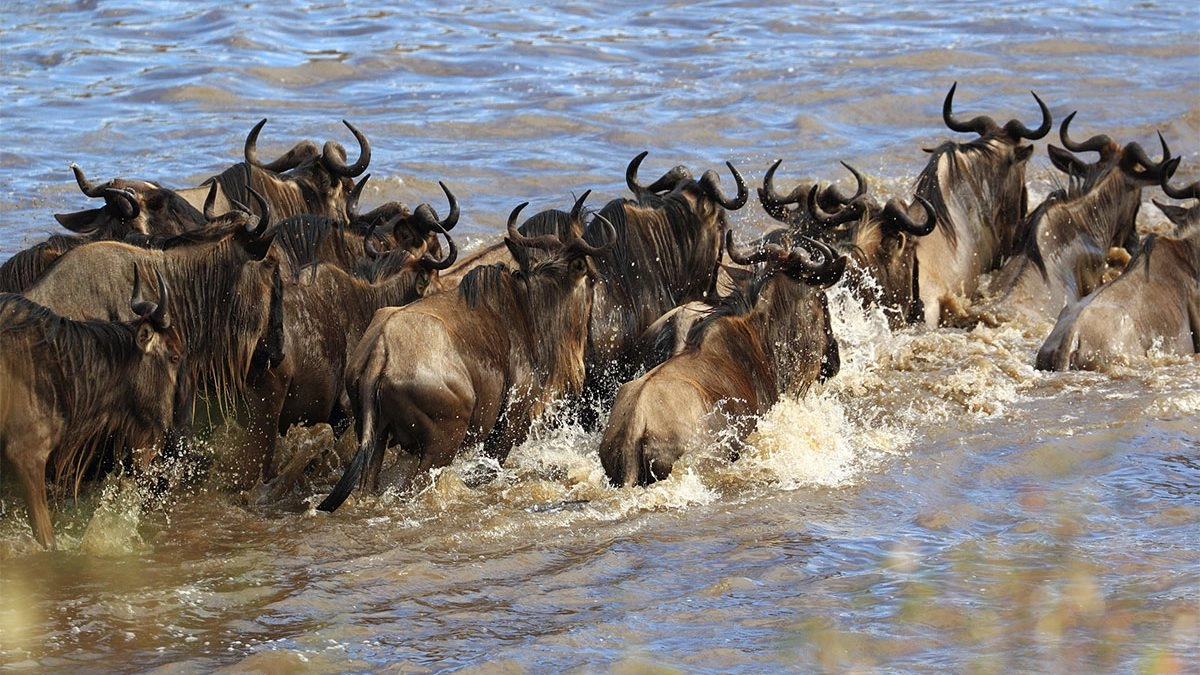
Kenya
Home / Destinations / Kenya Safaris /
When to go to Kenya For Safaris
Kenya offers year-round safari and travel opportunities, but the best time to visit depends on wildlife movement, rainfall patterns, and the experiences you prioritize. Kenya’s climate varies by region, with coastal areas, highlands, and savannah ecosystems each responding differently to seasonal changes. Understanding these patterns helps travelers plan trips that align with wildlife events, landscape conditions, and travel comfort rather than fixed calendar assumptions.
Kenya’s safari calendar revolves around dry and wet seasons, which shape animal behaviour, road conditions, vegetation cover, and travel demand. While certain periods attract global attention for specific wildlife events, every season delivers distinct advantages when approached with the right expectations.
Why Book Any Time Of The Year
Tips For First Time Travellers
For first-time travelers to Kenya, keep your plans balanced and realistic so you can enjoy both wildlife and culture without feeling rushed. Choose a simple route—such as Nairobi, the Maasai Mara, and the coast—so travel days stay manageable and experiences feel unhurried. Book reputable safari lodges, guides, and transfers in advance, as quality guiding makes a huge difference to your overall experience. Pack light but practical clothing, including neutral colors for safaris, a light jacket for early game drives, sunscreen, insect repellent, and a reliable power bank. Respect local customs, especially in rural areas and along the coast, stay aware of your surroundings in cities, and always follow your guide’s advice while on safari. Most of all, slow down and stay open to the rhythm of Kenya—whether it’s a quiet moment watching wildlife on the savannah or an unexpected cultural interaction, these are often the memories that define the journey.
Month By Month
January
January in Kenya
Dry Season Clarity, Open Landscapes, and Excellent Wildlife Viewing
January marks the heart of Kenya’s short dry season, a period defined by clear skies, warm temperatures, and increasingly open landscapes across the country’s major safari regions. Following the short rains of November and December, vegetation begins to thin, water sources become more predictable, and wildlife movement settles into consistent patterns. The savannahs take on a golden hue, creating classic safari scenery that many travelers associate with East Africa.
Tourism activity in January remains steady but not overwhelming, making it an appealing time for travelers who want strong wildlife encounters without the intensity of peak migration months. Safari experiences feel well-paced and rewarding, with guides able to track animals efficiently across open terrain. January suits travelers seeking reliable game viewing, comfortable travel conditions, and a balanced introduction to Kenya’s safari landscapes.
Understanding the January Weather in Kenya
January is generally warm and dry across most of Kenya’s safari regions. Daytime temperatures typically range between 18 °C and 30 °C, with cooler mornings and evenings in higher-altitude areas such as the Maasai Mara, Laikipia, and the central highlands. Rainfall is minimal, and days are dominated by sunshine and low humidity.
In the coastal regions, conditions are warmer and more humid, with temperatures often reaching the low 30s, while inland safari areas remain more temperate. Road conditions across national parks and reserves are at their best, allowing smooth travel and extended game drives without weather-related disruptions.
Wildlife Experiences in January
Wildlife viewing in January is strong and consistent due to reduced vegetation and reliable access to water sources. Animals congregate around rivers, waterholes, and permanent grazing areas, making sightings easier and more predictable. Predators such as lions, leopards, and cheetahs are active, taking advantage of improved visibility and concentrated prey.
January also coincides with the calving season for several herbivore species in parts of Kenya, particularly in the southern and central regions. This influx of young animals adds energy to the ecosystem and increases predator activity. Birdlife remains diverse, with both resident and migratory species present, making January appealing for general wildlife enthusiasts and birdwatchers alike.
Average January Weather in Kenya
Across key safari regions such as the Maasai Mara, Amboseli, and Samburu, temperatures generally range from 18 °C to 30 °C, with little to no rainfall during the month. The central highlands experience slightly cooler conditions, while northern regions remain warmer and drier.
These stable conditions create excellent visibility, firm ground for travel, and long, uninterrupted safari days, ideal for both wildlife viewing and photography.
Best Places to Visit in Kenya in January
The Maasai Mara offers excellent resident wildlife viewing in January, with open grasslands and active predator populations. Amboseli National Park performs particularly well during this period, with clear views and strong elephant sightings against the backdrop of Mount Kilimanjaro.
Samburu and the wider northern Kenya region shine during January due to dry conditions and the presence of unique wildlife species adapted to arid environments. Laikipia also offers rewarding private conservancy experiences with diverse habitats and low visitor pressure.
Activities to Enjoy in January
January supports a wide range of safari activities under ideal conditions. Game drives remain the primary focus, benefiting from clear visibility and predictable wildlife movement. Walking safaris and guided nature walks are particularly comfortable due to mild temperatures and dry terrain.
Photographic safaris thrive during this month, with clean light, open landscapes, and frequent wildlife encounters. Cultural visits and community-based experiences also integrate well into itineraries, as travel conditions allow easy movement between regions. The combination of weather stability, wildlife activity, and balanced tourism levels makes January one of the most dependable months to explore Kenya on safari.
February
February in Kenya
Dry Season Continuity, Clear Skies, and Peak Wildlife Visibility
February continues Kenya’s short dry season, maintaining the clarity and openness established in January. Landscapes remain dry and sunlit, vegetation thins further, and wildlife movement becomes increasingly predictable across the country’s major safari regions. The savannahs feel expansive and uncluttered, delivering classic safari scenery with strong contrast and excellent visibility.
Tourism levels in February remain moderate, creating a calm and well-paced safari atmosphere. Camps and reserves operate smoothly without the pressure of peak-season crowds, allowing guides to focus on extended wildlife encounters and detailed interpretation. February appeals to travelers seeking consistently strong game viewing, warm weather, and a relaxed safari rhythm before the onset of the long rains.
Understanding the February Weather in Kenya
February is one of Kenya’s warmest and driest months. Daytime temperatures typically range between 20 °C and 32 °C in most safari regions, with cooler mornings and evenings in higher-altitude areas such as the Maasai Mara, Laikipia, and the central highlands. Rainfall remains minimal, and humidity stays low across inland regions.
Northern Kenya and semi-arid areas such as Samburu experience warmer conditions, while coastal regions remain hot and humid. Road conditions across national parks and conservancies are excellent, supporting long game drives and reliable access to remote areas without weather-related disruption.
Wildlife Experiences in February
Wildlife viewing in February is among the most reliable of the year. Reduced vegetation and limited surface water concentrate animals around rivers, springs, and permanent waterholes, making sightings frequent and prolonged. Large predators including lions, leopards, cheetahs, and hyenas remain highly active, benefiting from improved hunting visibility.
February also coincides with peak calving periods for several herbivore species in parts of Kenya, particularly in open savannah ecosystems. Newborn animals attract increased predator attention, creating dynamic and behaviour-rich safari encounters. Birdlife remains diverse, with migratory species still present alongside resident birds.
Average February Weather in Kenya
Across key safari destinations such as the Maasai Mara, Amboseli, Samburu, and Laikipia, temperatures typically range from 20 °C to 32 °C, with little to no rainfall recorded during the month. The central highlands experience slightly cooler temperatures, while northern regions remain warmer and drier.
These conditions provide clear skies, strong light, and firm terrain, ideal for wildlife viewing, photography, and extended time in the field.
Best Places to Visit in Kenya in February
The Maasai Mara continues to offer excellent resident wildlife viewing, with open grasslands and active predator populations. Amboseli National Park performs particularly well during February, delivering clear views and frequent elephant encounters against the backdrop of Mount Kilimanjaro.
Samburu, Buffalo Springs, and Shaba reserves in northern Kenya shine during this dry period, offering sightings of rare and arid-adapted species. Laikipia conservancies also provide high-quality, low-density safari experiences with diverse habitats and flexible activities.
Activities to Enjoy in February
February supports a wide range of safari activities under consistently favourable conditions. Game drives dominate, with clear visibility and predictable wildlife movement allowing detailed observation and extended sightings. Walking safaris and guided nature walks are comfortable due to dry ground and warm daytime temperatures.
Photographic safaris thrive during this month, with crisp light, minimal haze, and excellent contrast across open landscapes. Cultural encounters and community visits integrate well into itineraries, as travel between regions remains easy and efficient. The combination of weather stability, wildlife activity, and manageable visitor levels makes February one of Kenya’s strongest all-round safari months.
March
March in Kenya
Seasonal Transition, Expanding Greens, and Changing Safari Dynamics
March marks the beginning of seasonal change in Kenya as the short dry period gives way to the approach of the long rains. Early in the month, conditions often resemble those of February, with warm temperatures and generally dry landscapes. As March progresses, the first rains begin to arrive, gradually softening the savannahs and introducing fresh green growth across many regions.
Tourism activity in March starts to ease, creating a quieter safari atmosphere. Camps and reserves feel less busy, allowing for relaxed exploration and flexible schedules. March suits travelers who appreciate evolving landscapes, shifting wildlife behaviour, and a more contemplative safari pace rather than peak-season intensity.
Understanding the March Weather in Kenya
March brings warmer conditions with increasing humidity, particularly toward the latter part of the month. Daytime temperatures typically range between 19 °C and 31 °C across most safari regions, with cooler mornings and evenings in higher-altitude areas such as the Maasai Mara and Laikipia. Rainfall begins sporadically, often as short afternoon or evening showers rather than continuous rain.
These early rains refresh the landscape without immediately disrupting travel. Road conditions remain largely manageable during most of the month, though occasional showers can make some tracks slippery, especially in clay-rich areas. The overall climate feels transitional, balancing dry-season clarity with early signs of renewal.
Wildlife Experiences in March
Wildlife viewing in March reflects this period of adjustment. With water sources beginning to expand, animals start to spread more widely across the landscape, reducing concentration at permanent rivers and waterholes. Sightings remain rewarding, but encounters feel more natural and less predictable than in the preceding dry months.
Predators continue to hunt actively, particularly early in the month when prey remains concentrated. Birdlife becomes increasingly noticeable as migratory species return and breeding activity begins. March appeals to travelers interested in observing wildlife behaviour within a changing ecological context rather than fixed patterns.
Average March Weather in Kenya
Across key safari destinations such as the Maasai Mara, Amboseli, Samburu, and Laikipia, temperatures generally range from 19 °C to 31 °C. Rainfall varies by region but typically increases toward the end of the month, averaging between 50 and 100 mm in many areas. The central highlands may experience slightly higher rainfall.
These conditions maintain good visibility early in the month while gradually introducing greener landscapes and softer light.
Best Places to Visit in Kenya in March
The Maasai Mara remains productive in early March, particularly for resident predators and plains game. Amboseli continues to offer rewarding elephant sightings, though occasional cloud cover may obscure distant views of Mount Kilimanjaro.
Laikipia conservancies perform well during this transitional period, offering diverse habitats and flexible safari activities. Northern Kenya, including Samburu and surrounding reserves, remains relatively dry early in the month, supporting consistent wildlife viewing before rains become more established.
Activities to Enjoy in March
March supports a mix of classic safari activities and green-season exploration. Game drives remain central, with guides adjusting timing and routes as conditions change. Birdwatching becomes increasingly rewarding as migratory species arrive and breeding behaviour becomes more visible.
Photographic safaris benefit from evolving landscapes, early greenery, and dramatic skies. Walking safaris and cultural experiences continue where conditions allow, offering insight into both wildlife and seasonal change. March delivers a nuanced safari experience shaped by transition, movement, and renewal.
April
April in Kenya
Long Rains Peak, Lush Landscapes, and Quiet Safari Conditions
April marks the height of Kenya’s long rainy season, a period when the country’s landscapes transform dramatically under consistent rainfall. Savannahs turn vibrant green, rivers swell, and vegetation grows dense across many regions. While April sits outside Kenya’s peak safari window, it offers a distinct and immersive travel experience shaped by atmosphere, renewal, and reduced visitor pressure.
Tourism levels drop significantly in April, creating some of the quietest safari conditions of the year. Many lodges remain open and operate at a slower pace, allowing for unhurried exploration and flexible itineraries. April appeals to travelers who value lush scenery, dramatic skies, and a sense of solitude over predictable wildlife concentration.
Understanding the April Weather in Kenya
April is generally warm and wet across most of Kenya, with rainfall more frequent and sustained than in other months. Daytime temperatures typically range between 18 °C and 30 °C, with high humidity, particularly in lowland and coastal regions. Rain often arrives in prolonged showers or steady periods, though breaks of sunshine are common.
Road conditions in some safari areas can become challenging, especially on black-cotton soils common in parts of the Maasai Mara and Amboseli. Experienced guides adjust routes and schedules to maintain access, but flexibility becomes important during this period. The climate feels rich and dynamic, defined by growth and transformation.
Wildlife Experiences in April
Wildlife viewing in April reflects the abundance of water and forage. With surface water widely available, animals disperse across broader areas, reducing dense gatherings around rivers and waterholes. Sightings remain rewarding but require patience and skilled tracking due to thicker vegetation.
Birdlife thrives during this period, with migratory species active and breeding behaviour visible across wetlands and woodlands. Predators remain present, though encounters feel more sporadic and less concentrated than during the dry season. April suits travelers interested in ecological processes and seasonal behaviour rather than classic high-density game viewing.
Average April Weather in Kenya
Across major safari regions such as the Maasai Mara, Amboseli, Laikipia, and Samburu, temperatures generally range from 18 °C to 30 °C. Rainfall is at its annual peak, averaging between 150 and 250 mm in many areas, with higher totals in western and highland regions.
These conditions create lush, saturated landscapes with dramatic cloud formations and softer light throughout the day.
Best Places to Visit in Kenya in April
Laikipia conservancies perform particularly well in April due to better drainage and diverse terrain, allowing continued safari activity despite rainfall. Samburu and northern Kenya often receive less rain than southern regions, offering more reliable access.
Parts of the Maasai Mara remain rewarding for experienced safari travelers comfortable with changing conditions, while Kenya’s forests and highland regions shine with greenery and birdlife during this period.
Activities to Enjoy in April
April encourages safari activities focused on interpretation and atmosphere. Game drives operate around weather patterns, often timed between showers. Birdwatching reaches a high point, with breeding displays and migratory species in full activity.
Photographic safaris benefit from lush backdrops, reflective surfaces, and dramatic skies. Cultural visits and conservancy-based experiences integrate well, as reduced tourism allows for deeper engagement. April delivers a quiet, immersive safari experience shaped by renewal rather than predictability.
May
May in Kenya
End of the Long Rains, Fresh Landscapes, and Improving Safari Conditions
May marks the gradual end of Kenya’s long rainy season and the transition toward drier, more stable conditions. While early May may still experience occasional rainfall, the intensity and frequency of the rains decline steadily, allowing landscapes to remain lush without the disruption seen in April. Savannahs appear green and revitalized, rivers flow strongly, and the countryside feels refreshed and expansive.
Tourism remains low throughout May, creating a peaceful safari environment with minimal visitor pressure. Camps and reserves operate at a relaxed pace, and travelers benefit from quieter parks, flexible guiding, and favourable value. May appeals to those who appreciate green-season beauty combined with improving accessibility and calmer travel conditions ahead of the peak safari months.
Understanding the May Weather in Kenya
May brings increasingly moderate and comfortable weather across most of Kenya. Daytime temperatures typically range between 17 °C and 29 °C, with cooler mornings and evenings in higher-altitude regions such as the Maasai Mara, Laikipia, and the Aberdares. Rainfall becomes lighter and more sporadic, often occurring as brief showers rather than sustained periods.
Humidity begins to ease, and road conditions improve noticeably as soils dry and drainage improves. The overall climate feels balanced and transitional, offering a sense of freshness without the challenges of peak rainfall.
Wildlife Experiences in May
Wildlife viewing in May benefits from improving conditions while maintaining the ecological richness of the wet season. With vegetation still green and water widely available, animals remain somewhat dispersed, but sightings become more consistent as movement patterns begin to settle.
Predators continue to patrol productive areas, and interactions with prey remain observable, particularly in regions with open grasslands. Birdlife remains strong, with many migratory species still present and breeding activity continuing. May suits travelers who enjoy a more natural, less concentrated safari experience with strong visual appeal.
Average May Weather in Kenya
Across major safari regions such as the Maasai Mara, Amboseli, Samburu, and Laikipia, temperatures generally range from 17 °C to 29 °C. Rainfall decreases significantly compared to April, averaging around 60 to 120 mm depending on region, with western and highland areas receiving more than arid northern zones.
These conditions preserve green scenery while allowing greater ease of movement and longer safari days.
Best Places to Visit in Kenya in May
Laikipia conservancies continue to perform well in May due to good drainage, diverse habitats, and flexible safari activities. Samburu and northern Kenya regions offer reliable wildlife viewing with less rainfall and improving access.
The Maasai Mara becomes increasingly accessible toward the latter part of the month as rains ease, offering rewarding resident wildlife encounters in greener surroundings. Amboseli also begins to improve, with clearer conditions and strong elephant activity.
Activities to Enjoy in May
May supports a wide range of safari activities with growing consistency. Game drives benefit from improved road conditions and balanced visibility, while birdwatching remains rewarding across wetlands and woodland habitats.
Photographic safaris excel during this month, with lush backdrops, softer light, and dramatic skies still present without frequent storms. Walking safaris and guided nature walks become more feasible as ground conditions stabilize. May delivers a composed and visually rich safari experience that bridges Kenya’s green and dry seasons.
June
June in Kenya
Dry Season Arrival, Cooler Temperatures, and Strengthening Safari Conditions
June marks the clear arrival of Kenya’s long dry season, bringing cooler temperatures, reduced rainfall, and steadily improving safari conditions across the country. Vegetation begins to thin after the long rains, rivers settle into defined channels, and wildlife movement becomes more predictable. The landscape transitions from lush green to a softer mix of green and gold, creating increasingly open views across the savannah.
Tourism activity begins to rise in June, though it remains well below peak-season levels. Safari experiences feel calm and well-paced, with guides benefiting from improved tracking conditions and travelers enjoying comfortable weather. June appeals to those seeking a balance between freshness in the landscape and the growing reliability of classic dry-season wildlife viewing.
Understanding the June Weather in Kenya
June brings cooler, drier conditions across most safari regions. Daytime temperatures typically range between 15 °C and 26 °C, with mornings and evenings noticeably cool, particularly in higher-altitude areas such as the Maasai Mara, Laikipia, and the central highlands. Rainfall becomes minimal, and humidity drops significantly compared to the previous months.
Skies are generally clear, and visibility improves as dust remains low and vegetation recedes. Road conditions across national parks and conservancies are excellent, allowing smooth travel and longer game drives without weather-related interruptions.
Wildlife Experiences in June
Wildlife viewing in June strengthens as animals begin concentrating around permanent water sources. Grazing areas shrink gradually, guiding herbivores toward rivers and reliable feeding grounds. This movement improves sighting consistency and creates clearer patterns for tracking wildlife.
Predators such as lions, leopards, and cheetahs become easier to observe as cover decreases and prey movement becomes more predictable. Birdlife remains diverse, with resident species dominant as migratory populations begin to thin. June offers a steady, rewarding safari rhythm rather than intense peaks.
Average June Weather in Kenya
Across key safari destinations including the Maasai Mara, Amboseli, Samburu, and Laikipia, temperatures typically range from 15 °C to 26 °C. Rainfall is low, often under 30 mm for the month, with some regions receiving no measurable rain at all. Highland areas remain cooler, while northern regions stay dry and warm.
These conditions support excellent visibility, firm ground, and comfortable conditions for extended time in the field.
Best Places to Visit in Kenya in June
The Maasai Mara begins to perform strongly in June as wildlife movement concentrates and visibility improves ahead of the migration season. Laikipia conservancies offer excellent all-round safaris, combining varied habitats with low visitor density.
Amboseli delivers reliable elephant sightings during this period, often with clearer conditions across the plains. Samburu and northern Kenya continue to offer strong wildlife encounters in dry, open environments with unique species adapted to arid conditions.
Activities to Enjoy in June
June supports a full range of safari activities under increasingly stable conditions. Game drives dominate, benefiting from cooler temperatures and predictable wildlife movement. Walking safaris and guided nature walks become particularly comfortable due to dry terrain and mild daytime conditions.
Photographic safaris thrive during June, with clear skies, soft winter light, and improving wildlife visibility. Cultural visits and conservancy-based experiences integrate smoothly into itineraries, as travel between regions remains easy and efficient. June delivers a composed, reliable safari experience that marks the true beginning of Kenya’s prime wildlife season.
July
July in Kenya
Peak Dry Season, Open Plains, and Iconic Safari Conditions
July marks the heart of Kenya’s dry season and is widely regarded as one of the best months for safari travel. Vegetation thins significantly across the savannahs, water sources become limited, and wildlife concentrates around rivers and permanent grazing areas. These conditions create classic safari scenery defined by open plains, golden grasses, and exceptional visibility.
Tourism activity increases in July as international travelers arrive to experience Kenya’s prime wildlife season. Despite higher visitor numbers, well-managed reserves and conservancies maintain high-quality safari experiences. July appeals to travelers seeking predictable wildlife encounters, cooler temperatures, and the unmistakable atmosphere of peak safari season.
Understanding the July Weather in Kenya
July brings cool, dry winter conditions across much of Kenya. Daytime temperatures typically range between 14 °C and 25 °C, with early mornings and evenings often chilly, particularly in higher-altitude areas such as the Maasai Mara, Laikipia, and the central highlands. Rainfall is minimal, and humidity remains low.
Skies are generally clear, and occasional cloud cover helps keep daytime temperatures comfortable. Road conditions are excellent across most safari regions, supporting long game drives and smooth travel between destinations.
Wildlife Experiences in July
Wildlife viewing in July reaches a high level of consistency as animals depend increasingly on permanent water sources. Large herbivores gather in significant numbers across open grasslands and river systems, attracting predators such as lions, leopards, cheetahs, and hyenas.
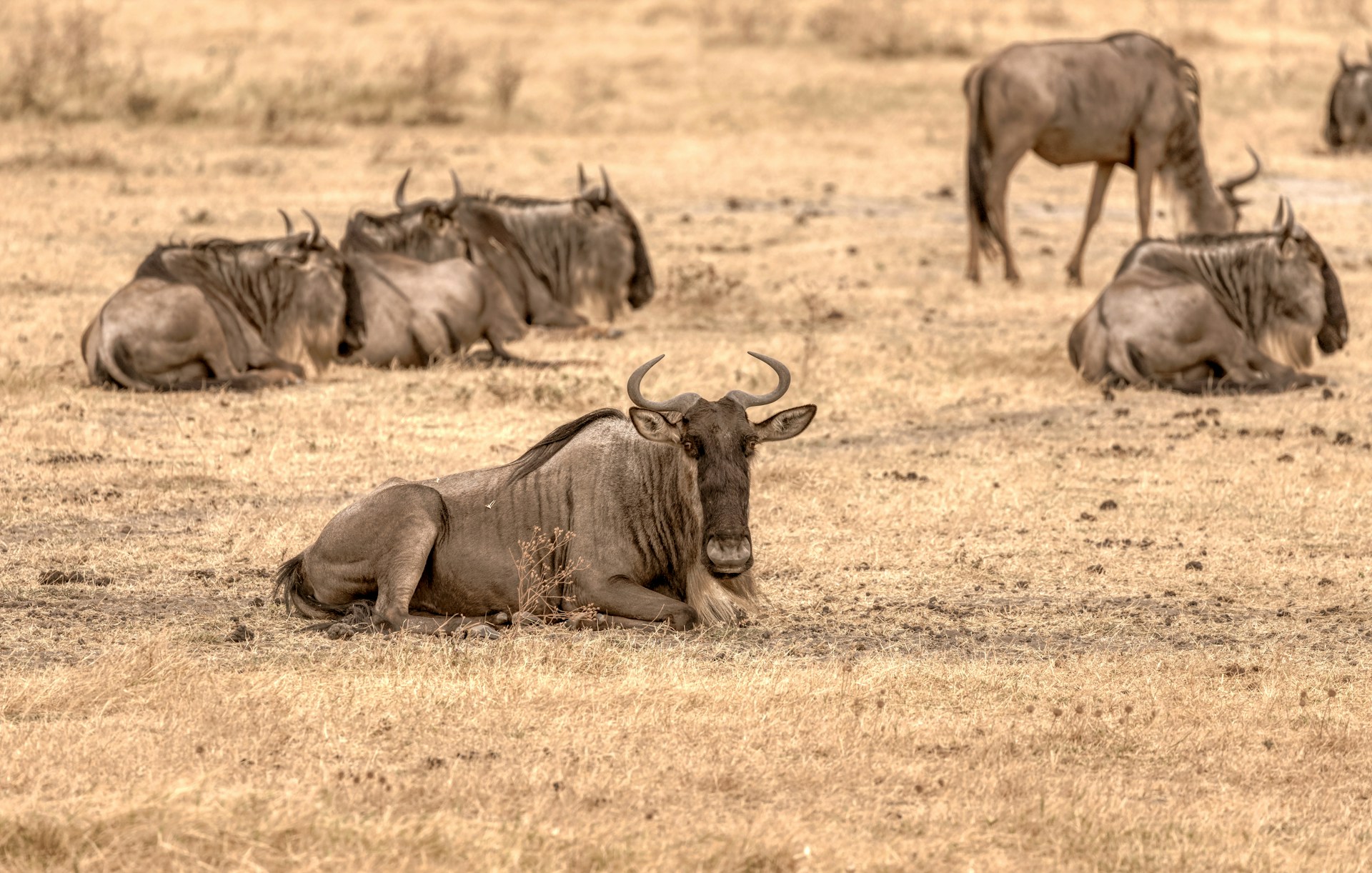
July also marks the arrival of the Great Migration in parts of the Maasai Mara, as wildebeest and zebra begin crossing from Tanzania into Kenya. Predator activity intensifies, and sightings often involve large herds, river crossings, and dramatic interactions. Visibility remains excellent due to sparse vegetation, allowing prolonged and clear observation of wildlife behaviour.
Average July Weather in Kenya
Across major safari destinations including the Maasai Mara, Amboseli, Samburu, and Laikipia, temperatures typically range from 14 °C to 25 °C. Rainfall remains very low, often under 20 mm for the month. Highland areas experience cooler nights, while northern regions stay dry and warm during the day.
These stable conditions deliver optimal safari weather with strong light, clear skies, and comfortable temperatures for extended time outdoors.
Best Places to Visit in Kenya in July
The Maasai Mara becomes a focal point in July as migration herds arrive and resident predator populations remain highly active. Laikipia conservancies continue to offer excellent low-density safaris with diverse habitats and flexible activities.
Amboseli provides reliable elephant sightings with open views across the plains, while Samburu and northern Kenya deliver unique wildlife encounters under consistently dry conditions. July also works well for combining multiple regions due to excellent accessibility.
Activities to Enjoy in July
July supports the full range of safari activities at their best. Game drives dominate, offering frequent and extended wildlife encounters in open terrain. Walking safaris and guided nature walks remain comfortable due to cool temperatures and dry ground.
Photographic safaris thrive during July, with clean light, dust-free air, and high wildlife density creating exceptional conditions. Cultural experiences and conservancy visits integrate seamlessly, as travel logistics remain smooth. July delivers one of Kenya’s most iconic and reliable safari experiences.
August
August in Kenya
Peak Migration Season, Cool Dry Weather, and Exceptional Wildlife Drama
August represents the height of Kenya’s safari season, combining ideal dry-season conditions with the full presence of the Great Migration in the Maasai Mara. Landscapes remain open and golden, water sources are limited, and wildlife concentrates in predictable areas. These conditions create some of the most dramatic and reliable safari experiences of the year.
Tourism reaches its annual peak in August, particularly in the Maasai Mara, yet Kenya’s extensive reserve network and private conservancies help distribute visitors effectively. Safari experiences remain rewarding and well-managed, appealing to travelers seeking iconic wildlife encounters and classic East African safari scenery.
Understanding the August Weather in Kenya
August brings cool, dry winter weather across Kenya’s major safari regions. Daytime temperatures typically range between 13 °C and 24 °C, with mornings and evenings often cold, especially in higher-altitude areas such as the Maasai Mara, Laikipia, and the central highlands. Rainfall is minimal, and humidity remains low.
Skies are generally clear with occasional cloud cover, creating comfortable daytime conditions and excellent visibility. Road conditions remain firm and reliable, allowing extended game drives and easy movement between safari areas.
Wildlife Experiences in August
Wildlife viewing in August is at its most dramatic and consistent. Large herds of wildebeest and zebra dominate the Maasai Mara as river crossings intensify, drawing high predator activity. Lions, leopards, cheetahs, and hyenas take advantage of the abundance of prey, creating frequent and powerful interactions.
Beyond the migration areas, resident wildlife across Kenya’s parks remains highly visible due to sparse vegetation and limited water. August delivers sustained, high-impact sightings across multiple regions.
Average August Weather in Kenya
Across key safari destinations including the Maasai Mara, Amboseli, Samburu, and Laikipia, temperatures typically range from 13 °C to 24 °C. Rainfall remains very low, often under 20 mm for the month. Northern regions stay dry and warm during the day, while highland areas experience cooler nights.
These conditions create ideal safari weather with crisp air, clear skies, and excellent light for photography.
Best Places to Visit in Kenya in August
The Maasai Mara is the primary focus in August, offering front-row access to migration activity and predator encounters. Laikipia conservancies provide a quieter alternative with diverse habitats and flexible safari activities.
Amboseli continues to deliver strong elephant sightings, while Samburu and northern Kenya remain excellent for unique arid-adapted species. August also suits travelers combining safari regions due to stable travel conditions.
Activities to Enjoy in August
August supports the full spectrum of safari activities at peak quality. Game drives dominate, with extended time spent observing migration herds and predator behaviour. Walking safaris and guided nature walks remain comfortable due to cool temperatures and dry terrain.
Photographic safaris are exceptional during this month, benefiting from clean winter light, open landscapes, and dramatic wildlife scenes. Cultural and conservancy-based experiences integrate well, as travel logistics remain smooth. August delivers one of Kenya’s most iconic and visually powerful safari experiences.
September
September in Kenya
Late Dry Season Stability, Continued Migration, and Strong Wildlife Viewing
September sits firmly within Kenya’s dry season and continues to deliver excellent safari conditions across the country. Landscapes remain open and dry, vegetation stays sparse, and wildlife movement remains highly predictable. The savannahs retain their golden tones, and visibility across plains and river systems remains outstanding.
Tourism levels stay high in September, though the initial rush of August begins to ease slightly. Safari experiences remain well-managed and immersive, particularly in conservancies and less crowded regions. September appeals to travelers who want peak-season wildlife viewing with slightly calmer travel energy and consistently favorable conditions.
Understanding the September Weather in Kenya
September brings dry, stable weather across most of Kenya’s safari regions. Daytime temperatures typically range between 14 °C and 26 °C, with cool mornings and evenings, especially in higher-altitude areas such as the Maasai Mara, Laikipia, and the central highlands. Rainfall remains minimal, and humidity stays low.
Skies are largely clear, and dust levels increase slightly toward the end of the dry season. Road conditions remain excellent, supporting long game drives and smooth travel between parks and conservancies.
Wildlife Experiences in September
Wildlife viewing in September remains consistently strong. Large herbivores continue to rely on permanent water sources, maintaining high concentrations along rivers and open plains. Predators remain active, taking advantage of predictable prey movement and reduced cover.
In the Maasai Mara, the Great Migration continues through much of September, with herds still present and river crossings occurring depending on rainfall patterns. Predator sightings remain frequent, and interactions often unfold over extended periods. Across other regions, resident wildlife remains highly visible due to sparse vegetation.
Average September Weather in Kenya
Across key safari destinations including the Maasai Mara, Amboseli, Samburu, and Laikipia, temperatures typically range from 14 °C to 26 °C. Rainfall is very low, often below 20 mm for the month. Northern regions remain dry and warm during the day, while highland areas experience cooler nights.
These conditions deliver reliable safari weather with excellent visibility and comfortable daytime temperatures.
Best Places to Visit in Kenya in September
The Maasai Mara remains a prime destination in September, with ongoing migration activity and strong predator presence. Laikipia conservancies continue to offer high-quality, low-density safari experiences with diverse wildlife and flexible activities.
Amboseli provides consistent elephant sightings under dry-season conditions, while Samburu and northern Kenya remain excellent for arid-adapted species and open-terrain game viewing. September also suits travelers combining multiple regions due to continued ease of travel.
Activities to Enjoy in September
September supports classic safari activities at peak reliability. Game drives dominate, offering frequent and extended wildlife encounters under clear skies. Walking safaris and guided nature walks remain comfortable due to dry ground and moderate daytime temperatures.
Photographic safaris benefit from strong light, open landscapes, and sustained wildlife activity. Cultural visits and conservancy-based experiences integrate smoothly, as logistics remain straightforward. September delivers a composed, high-quality safari experience that balances peak wildlife viewing with steady travel conditions.
October
October in Kenya
End of the Dry Season, Rising Temperatures, and Sustained Wildlife Activity
October marks the final phase of Kenya’s long dry season, a month characterized by warming temperatures, dry landscapes, and continued strong wildlife visibility. Vegetation remains sparse, water sources stay limited, and animals continue to concentrate around rivers and permanent waterholes. These conditions sustain reliable safari experiences while introducing a subtle shift in atmosphere as the landscape anticipates the return of the rains.
Tourism levels begin to ease in October as peak-season travel tapers off. Safari regions feel less pressured, allowing for a more relaxed and flexible pace without compromising wildlife quality. October appeals to travelers seeking excellent game viewing with fewer crowds and a slightly softer transition away from peak-season intensity.
Understanding the October Weather in Kenya
October brings warmer conditions across most of Kenya’s safari regions. Daytime temperatures typically range between 16 °C and 30 °C, with cooler mornings and evenings in higher-altitude areas such as the Maasai Mara and Laikipia. Humidity remains low, and rainfall is minimal for most of the month.
Skies are generally clear, though occasional haze may appear as the dry season peaks. Road conditions remain excellent, supporting long game drives and efficient movement between parks. The climate feels dry and settled, though the air carries early hints of seasonal change.
Wildlife Experiences in October
Wildlife viewing in October remains strong and consistent. Animals continue to rely heavily on permanent water sources, maintaining predictable movement patterns and frequent sightings. Large herbivores gather in open areas, drawing predators such as lions, leopards, cheetahs, and hyenas into sustained activity.
In the Maasai Mara, remnants of the Great Migration may still be present early in the month, depending on rainfall patterns. Predator encounters remain frequent, and visibility stays high due to minimal vegetation. October delivers dependable wildlife experiences with slightly reduced visitor pressure.
Average October Weather in Kenya
Across major safari destinations including the Maasai Mara, Amboseli, Samburu, and Laikipia, temperatures generally range from 16 °C to 30 °C. Rainfall remains very low, often below 30 mm for the month, though isolated showers may occur toward the end of October in some regions.
These conditions maintain dry ground, open landscapes, and comfortable safari weather before the seasonal shift begins.
Best Places to Visit in Kenya in October
The Maasai Mara continues to perform well in October, offering strong resident wildlife and ongoing predator activity. Laikipia conservancies provide excellent low-density safari experiences, with varied habitats and flexible activities.
Amboseli remains reliable for elephant sightings under dry-season conditions, while Samburu and northern Kenya continue to offer rewarding encounters with arid-adapted species. October also suits travelers combining multiple regions due to continued ease of access.
Activities to Enjoy in October
October supports classic safari activities with high consistency. Game drives remain the primary focus, offering frequent wildlife encounters and extended observation opportunities. Walking safaris and guided nature walks stay comfortable due to dry terrain and manageable temperatures.
Photographic safaris benefit from strong light, clear skies, and excellent visibility across open plains. Cultural visits and conservancy-based experiences integrate smoothly as travel conditions remain stable. October delivers a dependable and well-balanced safari experience that bridges peak dry-season intensity and the approach of seasonal renewal.
November
November in Kenya
Short Rains Arrival, Fresh Landscapes, and a Softer Safari Rhythm
November marks the arrival of Kenya’s short rainy season, bringing a noticeable shift in atmosphere and landscape across the country. After months of dry conditions, the first rains refresh the savannahs, soften the terrain, and introduce fresh green growth. The transformation happens quickly, changing dusty plains into rejuvenated ecosystems without overwhelming the travel experience.
Tourism levels drop significantly in November, creating a calm and unhurried safari environment. Parks and conservancies feel quieter, guides enjoy greater flexibility, and wildlife encounters unfold without pressure. November appeals to travelers who value atmosphere, renewed landscapes, and lower visitor numbers while still enjoying rewarding wildlife experiences.
Understanding the November Weather in Kenya
November is warm, with increasing humidity as moisture returns to the air. Daytime temperatures typically range between 18 °C and 30 °C across most safari regions, with cooler mornings and evenings in higher-altitude areas such as the Maasai Mara and Laikipia. Rainfall usually arrives in short, scattered showers rather than prolonged downpours.
These rains tend to be localized and often fall in the afternoon or evening, leaving ample time for safari activities during the day. Road conditions generally remain manageable, particularly in well-drained areas and private conservancies. The climate feels transitional, balancing dry-season stability with early signs of renewal.
Wildlife Experiences in November
Wildlife viewing in November reflects the shift toward wider dispersal as water becomes more readily available across the landscape. Animals begin spreading out from permanent water sources, creating sightings that feel natural and less concentrated than during the dry months.
Predators remain active, particularly early in the month, while birdlife increases noticeably as migratory species arrive and breeding activity begins. Wetlands and woodlands become lively with movement and sound. November suits travelers interested in seasonal wildlife behaviour and ecological change rather than peak-density game viewing.
Average November Weather in Kenya
Across major safari regions such as the Maasai Mara, Amboseli, Samburu, and Laikipia, temperatures generally range from 18 °C to 30 °C. Rainfall averages between 40 and 100 mm, varying by region, with western and highland areas often receiving more rain than northern and eastern zones.
These conditions introduce fresh greenery and softer light while maintaining reasonable accessibility for safari travel.
Best Places to Visit in Kenya in November
Laikipia conservancies perform particularly well in November due to good drainage and diverse habitats, allowing continued safari activity despite scattered rainfall. Samburu and northern Kenya regions also remain attractive, often receiving lighter rains and offering reliable wildlife encounters.
The Maasai Mara remains rewarding for resident wildlife, especially early in the month before dispersal increases. Forested and highland regions become especially scenic during this period, enriched by renewed vegetation and birdlife.
Activities to Enjoy in November
November supports safari activities that align with seasonal transition and renewal. Game drives remain central, with guides adjusting timing around brief rain showers. Birdwatching becomes a key highlight as migratory species arrive and breeding displays begin.
Photographic safaris benefit from fresh green landscapes, reflective surfaces, and dramatic skies created by passing storms. Walking safaris and cultural experiences continue where conditions allow, offering insight into tracks, vegetation, and early wet-season dynamics. November delivers a gentle, atmospheric safari experience shaped by change rather than intensity.
December
December in Kenya
Festive Season Energy, Green Landscapes, and Relaxed Safari Travel
December marks the full establishment of Kenya’s short rainy season, bringing renewed greenery, warmer temperatures, and a visible transformation of the landscape. Seasonal rains continue to refresh the savannahs, forests, and wetlands, creating lush scenery and a sense of renewal across the country’s safari regions. The wilderness feels vibrant and alive, shaped by fresh growth, dramatic skies, and increased ecological activity.
December coincides with international holidays and regional travel, yet safari pressure remains moderate compared to peak dry-season months. Many travelers split time between safari regions and the coast, creating a varied and festive travel atmosphere. December appeals to travelers seeking green landscapes, seasonal wildlife behaviour, and a more relaxed alternative to classic dry-season safaris.
Understanding the December Weather in Kenya
December is generally warm with rising humidity, particularly in lowland and coastal regions. Daytime temperatures typically range between 20 °C and 32 °C, while mornings and evenings remain cooler in higher-altitude areas such as the Maasai Mara, Laikipia, and the central highlands. Rainfall occurs as short, scattered showers rather than continuous rain, often falling in the afternoon or evening.
These rains refresh the air and landscape without dominating the day. Road conditions across most safari regions remain manageable, especially in well-drained conservancies. The climate feels dynamic and lively, balancing sunshine with brief bursts of rain.
Wildlife Experiences in December
Wildlife viewing in December reflects the early green-season pattern. With surface water widely available, animals disperse across broader areas, resulting in fewer dense concentrations but more natural movement patterns. This period aligns with the start of calving season for several herbivore species, introducing newborn animals into the ecosystem and setting the stage for increased predator activity in the months ahead.
Birdlife becomes especially prominent in December as migratory species arrive and breeding activity intensifies. Wetlands, rivers, and woodlands fill with colour and sound, making the month particularly rewarding for birdwatchers and travelers interested in seasonal ecological cycles rather than dry-season predictability.
Average December Weather in Kenya
Across major safari regions such as the Maasai Mara, Amboseli, Samburu, and Laikipia, temperatures typically range from 20 °C to 32 °C. Rainfall averages between 50 and 120 mm depending on region, with higher totals in western and highland areas and lighter rainfall in northern regions.
These conditions produce lush vegetation, reflective surfaces, and expansive cloud formations that enhance the atmosphere and visual appeal of the landscape.
Best Places to Visit in Kenya in December
Laikipia conservancies perform particularly well in December due to diverse terrain and good drainage, allowing continued safari activity in greener conditions. Samburu and northern Kenya remain attractive, often receiving less rainfall and offering consistent wildlife encounters.
The Maasai Mara remains accessible and rewarding for resident wildlife, especially early in the month, while coastal regions become popular for travelers combining safari experiences with beach stays. Forested and highland areas also shine during this period, enriched by renewed greenery and birdlife.
Activities to Enjoy in December
December supports safari activities that align with seasonal abundance and festive travel rhythms. Game drives focus on tracking and interpretation rather than static sightings, rewarding patience and skilled guiding. Birdwatching stands out as a key highlight, with migratory species active across wetlands and woodland habitats.
Photographic safaris benefit from saturated colours, dramatic skies, and the presence of young wildlife. Cultural visits and community-based experiences integrate well into itineraries, especially during the holiday period. The combination of green landscapes, ecological renewal, and moderate safari pressure makes December a richly atmospheric time to experience Kenya.
Steps to Book Your Southern Africa Tour
Choose Your Adventure
Confirm Your Booking
Begin Your Journey
Ready to plan your tailor-made safari?