Where to go to South Africa
November 5, 2025
Experiences in South Africa
November 5, 2025

South Africa
When to go to South Africa For Safaris
The best time to go to South Africa for safaris is generally during the dry winter months from May to September, when the vegetation thins out, animals gather around water sources, and game viewing becomes exceptionally rewarding across parks like Kruger, Sabi Sands, Madikwe, and Timbavati. Days are sunny and mild, nights are cooler, and wildlife visibility is at its peak. However, the summer green season from November to March also offers beautiful lush landscapes, newborn animals, and superb birdwatching—making it a great choice for travellers who prefer dramatic scenery, fewer crowds, and a more relaxed atmosphere.
Why Book Any Time Of The Year
Tips For First Time Travellers
For first-time travelers, keep your planning simple and focus on the essentials. Start by choosing a clear itinerary so you’re not rushing between too many places, and always book trusted accommodations, transfers, and tours in advance. Pack light, versatile clothing and include basics like a power bank, travel documents, and any personal medication. Be mindful of local customs, keep an open mind, and give yourself time to adjust to new environments. Most importantly, stay flexible—unexpected moments often become the highlights of your trip.
Month By Month
January
January in South Africa
Summer Sunshine, Green Landscapes, and Lively Travel Energy
January marks the heart of the South African summer, a month defined by warmth, vibrant colours, and an energetic holiday atmosphere. It is part of the shoulder season for safari regions in the northern parts of the country, where the rains bring dramatic skies and lush vegetation that transforms savannahs into flourishing green landscapes. At the same time, Cape Town and the broader Western Cape enjoy their dry, sunny season, creating perfect conditions for beach days, scenic drives, wine farm explorations, and warm evenings along the coast. The month coincides with both international vacation periods and the South African school holidays, making popular attractions, reserves, and beaches lively with travellers seeking sunshine, wildlife, and outdoor adventure.
Understanding the January Weather
The weather in January varies significantly between Cape Town and the safari heartlands of the north. In the Kruger region and surrounding private reserves such as Sabi Sands, Timbavati, and Madikwe, summer rains have already revived the vegetation into full splendour. Afternoon thunderstorms are common, bringing scents of wet earth and refreshing breezes across grasslands that are often dry later in the year. With highs reaching 34 °C and humidity settling in, the landscape becomes thick, green, and beautifully alive. In contrast, Cape Town enjoys blue skies, minimal rainfall, and warm sunshine with highs of 29 °C and comfortably cooler evenings. The long daylight hours create the ideal setting for beach visits, outdoor dining, mountain hiking, and ocean activities.
Wildlife Experiences in January
Although wildlife sightings in northern safari parks can be more challenging because animals do not need to congregate at waterholes, the rewards are equally special. This is the season of newborn animals, from antelope calves wobbling beside their mothers to playful youngsters learning to navigate their world. Migratory birds arrive in vast numbers, filling wetlands and forests with colour and song, turning January into one of the most rewarding months for birding. The vegetation may be thicker, but the atmosphere is thrilling, unpredictable, and full of life. Photographers often cherish this period because the saturated colours, dramatic storm clouds, and infant wildlife create deeply compelling images.
Average January Weather
In the Kruger region, temperatures range from 18 °C to 34 °C, accompanied by around five inches of rainfall that intensifies the emerald-green vegetation. Cape Town experiences warm, mostly dry weather ranging from 18 °C to 29 °C, paired with nearly cloudless skies and only minimal rainfall across the month. These contrasts make January a versatile month, allowing travellers to combine safaris with beach stays or coastal road trips for a richly layered experience.
Best Places to Visit in January
Tswalu Kalahari Private Wildlife Reserve shines as a year-round safari destination, and January brings a particularly magical transformation. The rains awaken the Kalahari, carpeting it in soft greens, wildflowers, and fresh grasses that attract herbivores and their young. Dramatic skies often frame late-afternoon thunderstorms, creating unforgettable settings for photography and wildlife viewing. Meanwhile, the Garden Route thrives during this warm season, offering ideal conditions for beach holidays in Plettenberg Bay, lagoon adventures in Knysna, and relaxed coastal living. The combination of warmth, natural beauty, and endless outdoor possibilities makes both destinations exceptional choices during January.
Activities to Enjoy in January
The warm summer climate encourages a wide range of outdoor activities that highlight the beauty of South Africa’s landscapes. Canoeing and kayaking are especially enjoyable in calm rivers, estuaries, and lagoons where the afternoon light paints golden reflections across the water. Swimming and snorkelling become essential parts of coastal holidays, with inviting temperatures and clear conditions around sheltered beaches. In the safari parks, birdwatching takes centre stage as migratory species settle in for the season, while photographic safaris thrive in the dramatic summer light and the presence of young wildlife. The blend of scenery, weather, and wildlife makes January an incredibly dynamic month to explore the country.
February
February in South Africa
Summer Sunshine, Green Landscapes, and Lively Travel Energy
February carries the final stretch of the South African summer, blending warm weather, rich green scenery, and a calmer travel rhythm after the busy January holiday season. The heat lingers across much of the country, but the energy feels more relaxed, making it one of the best months for travellers who want sunshine without the heavy crowds.
In the northern safari regions, February falls within the green (rainy) season. Afternoon showers remain common, bringing dramatic clouds, bright sunsets, and lush vegetation that fills the savannah with life. Wildlife viewing stays rewarding as animals thrive in the abundant greenery, and birdlife peaks with migratory species at their best. Photographers enjoy vibrant colours, moody skies, and landscapes bursting with new growth.
Further south, Cape Town and the Western Cape continue to enjoy long, dry, sunny days with mild evenings and perfect beach conditions. February delivers some of the most stable weather of the year for exploring the city, hiking Table Mountain, driving the Cape Peninsula, or relaxing along the Atlantic and False Bay coasts. Vineyards in Stellenbosch and Franschhoek remain in full charm, offering warm afternoons among the vines and golden sunset tastings.
Because the festive rush has passed, February offers quieter beaches, more availability at lodges, and a softer pace in cities and parks. It strikes a beautiful balance between summer energy and peaceful travel, giving visitors room to explore South Africa’s coastlines, wildlife regions, and cultural attractions under warm, golden skies.
Understanding the February Weather
February continues the warm South African summer, but the rhythm feels calmer after the busy start of the year. In the northern safari regions, including Kruger National Park, Sabi Sands, Timbavati, and Madikwe, the green season holds strong. Afternoon showers still sweep across the savannah, refreshing the air and deepening the emerald tones of the grasslands. Temperatures often rise to around 33–35 °C, and humidity remains noticeable, creating a warm, tropical feel throughout the day. These brief thunderstorms bring dramatic skies and glowing sunsets that photographers love.
Cape Town and the Western Cape enjoy some of their most stable weather in February. Clear blue skies dominate, rainfall stays minimal, and temperatures hover around 18–30 °C. Evenings cool gently, creating perfect conditions for seaside dinners, scenic road trips, vineyard tours, and long beach days. With long daylight hours and gentle breezes, Cape Town feels idyllic and consistently welcoming during this period.
Wildlife Experiences in February
Safari experiences in February mirror the richness of January but with a calmer, quieter atmosphere. Northern reserves remain lush, and wildlife spreads across the landscape rather than clustering around waterholes. This can make tracking a little more adventurous, but the rewards are deeply fulfilling. Young animals born earlier in summer continue to grow, offering delightful scenes of calves, foals, and cubs exploring the world under the watchful eyes of their mothers.
Birdlife remains exceptional, with migratory species still present in large numbers. Wetlands come alive with movement and sound, offering some of the most exciting birdwatching of the year. Predators remain active, especially during cooler early mornings and late afternoons, often moving against breathtaking storm-lit skies. For photographers, February offers dramatic contrasts—dark clouds, saturated greens, golden sunlight, and thriving wildlife create an irresistible canvas.
Average February Weather
In the Kruger region, temperatures usually range from 19 °C to 34 °C, with rainfall tapering slightly but still present enough to maintain the vivid green environment. These showers often arrive in short bursts, keeping the landscape fresh and alive. Cape Town experiences stable, warm, and dry weather between 18 °C and 30 °C, perfect for beach adventures, outdoor dining, and exploring scenic mountains and coastlines.
The country-wide contrast continues to make February an attractive month for mixed itineraries—travellers can pair lush, colourful safaris with sun-drenched coastal escapes for a balanced and memorable holiday.
Best Places to Visit in February
Tswalu Kalahari Private Wildlife Reserve continues to shine beautifully in February. The Kalahari landscape, revived by earlier rains, remains covered in soft greens and fresh vegetation. This attracts herbivores in large numbers, offering excellent wildlife encounters and clear photographic opportunities. The late-afternoon skies often shift into dramatic colours after brief thunderstorms, creating a sense of magic unique to this time of year.
Along the coast, the Garden Route provides perfect summer holiday conditions. Plettenberg Bay offers warm ocean temperatures for swimming and beach relaxation, while Knysna’s lagoon becomes ideal for boating and water adventures. The entire region enjoys a gentle, summery energy paired with fewer crowds than January, giving February a more peaceful, intimate charm.
Activities to Enjoy in February
February’s warm summer weather invites travellers to embrace outdoor life across South Africa. Canoeing and kayaking remain perfect choices along calm rivers, estuaries, and lagoons, especially during the soft light of early morning or late afternoon. Swimming and snorkelling flourish along sheltered coastal areas where conditions stay clear and inviting. In the northern parks, birdwatching continues to impress as migratory species remain active, offering opportunities to spot rare and colourful birds.
Photography safaris thrive during February’s dramatic light, with storm clouds, golden sunsets, and lush scenery enhancing every frame. The abundance of young animals, combined with vibrant vegetation, creates an ideal setting for immersive wildlife photography. Whether exploring coastlines, bushveld, or mountains, February delivers a wonderfully dynamic, warm, and rewarding month to experience South Africa at its summer peak.
March
March in South Africa
Gentle Sunshine, Fading Rains, and the First Touch of Autumn
March brings a smooth transition from summer to early autumn. The heat softens, humidity drops, and the country enjoys warm days with cooler evenings. Northern safari regions like Kruger, Sabi Sands, Madikwe, and Timbavati remain lush from recent rains, but showers become less frequent and visibility slowly improves, creating better game-viewing conditions while still keeping the bush vibrant and green.
Cape Town and the Western Cape experience stable, sunny weather with mild temperatures and clear skies—ideal for beaches, vineyard visits, and scenic drives. Crowds thin out after the peak summer season, giving March a relaxed, peaceful feel across major destinations.
With pleasant weather, green landscapes, and fewer visitors, March offers a calm, balanced month to explore both South Africa’s safari regions and coastal highlights.
Understanding the March Weather
March marks the shift from the intense summer heat into the softer, early-autumn climate. In the northern safari regions—Kruger, Sabi Sands, Timbavati, and Madikwe—the green season begins to ease. Rains still occur, but they are lighter and less frequent than in January, allowing the bush to open up while keeping its lush, vibrant appearance. Daytime temperatures settle around 30–32 °C, with less humidity and clearer mornings that enhance visibility during game drives. The landscape remains green and lively, but the calmer weather signals the start of more comfortable safari conditions.
Cape Town experiences one of its most pleasant months of the year in March. Warm days, crisp evenings, and very little rainfall create near-perfect conditions for outdoor activities. Skies stay mostly clear, and temperatures range between 17–28 °C, ideal for exploring beaches, coastal walks, vineyards, and city attractions. As the summer crowds thin out, Cape Town feels relaxed and wonderfully accessible.
Wildlife Experiences in March
Wildlife viewing improves steadily in March as vegetation begins to thin, making animals easier to spot. Northern parks still hold onto their lush summer greenery, but the softer climate encourages more predictable movement, especially during cooler early mornings and evenings. Young animals born earlier in the season remain active, offering charming sightings of calves, foals, and cubs exploring their surroundings with growing confidence.
Birdlife continues to thrive, with many migratory species still present, filling woodlands and waterways with vibrant colour and sound. Predators remain active as well, taking advantage of the slightly more open terrain. The blend of green landscapes, softer light, and active wildlife creates excellent photographic opportunities. Dramatic skies after the occasional shower add mood and depth to images, making March a rewarding month for photographers.
Average March Weather
In the Kruger region, temperatures usually range from 17 °C to 32 °C, with rainfall decreasing to around three to four inches across the month. The reduction in storms allows clearer days and better visibility during game drives. Cape Town enjoys some of its most stable weather, with temperatures between 17 °C and 28 °C, very low rainfall, and crisp, refreshing evenings.
These mild contrasts make March an attractive month for travellers who want the comfort of warm weather combined with the clearer skies and calmer atmosphere that early autumn brings.
Best Places to Visit in March
Tswalu Kalahari Private Wildlife Reserve remains captivating in March as the landscape holds onto its green flush from the summer rains but benefits from clearer skies and cooler air. Wildlife viewing becomes more consistent, and the soft autumn light gives the Kalahari a warm, golden glow throughout the day. Photographers enjoy bright mornings, rich colours, and excellent visibility.
Along the southern coast, the Garden Route continues to shine with warm weather and fewer crowds. Plettenberg Bay offers comfortable beach days, while Knysna’s lagoon becomes perfect for gentle boating, oyster tastings, and relaxed exploration. The milder temperatures and quieter atmosphere create an inviting environment for travellers seeking nature, coastlines, and scenic relaxation.
Activities to Enjoy in March
The welcoming March climate supports a wide range of outdoor experiences. Canoeing and kayaking remain popular along calm estuaries and rivers, with the softer autumn light adding a gentle glow to afternoon outings. Beach days along the Garden Route and Western Cape stay warm and enjoyable, with cooler evenings ideal for seaside dinners or sunset walks.
Safari activities thrive as the vegetation begins to thin and wildlife becomes more visible. Birdwatching remains rewarding with migratory species still active, while photographic safaris benefit from rich colours, clearer skies, and mild temperatures. Whether exploring coastlines, mountains, vineyards, or wildlife reserves, March offers a beautifully balanced month for travellers to experience South Africa’s natural charm.
April
April in South Africa
Clear Skies, Mild Days, and the Start of Autumn Calm
April brings one of the most pleasant months of the year, with warm days, cool evenings, and very little rain. The humidity of summer fades, visibility improves, and the softer autumn light gives the country a calm and inviting atmosphere.
In the northern safari regions—Kruger, Sabi Sands, Timbavati, and Madikwe—the bush begins to open as rains ease. Vegetation thins, water sources shrink, and wildlife becomes easier to spot around rivers and remaining pans. Temperatures sit comfortably between 15–30 °C, creating ideal conditions for long, relaxed game drives.
Cape Town and the Western Cape enjoy mild, stable weather with crisp mornings, sunny afternoons, and little wind. With temperatures averaging 14–26 °C, it becomes a perfect time for hiking, coastal drives, and wine country visits. Crowds remain low, giving April a peaceful, laid-back feel.
April blends the last green tones of summer with the clarity of autumn, offering superb conditions for safaris, beach walks, and scenic exploration across South Africa.
Understanding the April Weather
April signals the arrival of early autumn across South Africa, bringing milder temperatures, clearer skies, and a noticeable drop in humidity. In the Kruger region and surrounding private reserves such as Sabi Sands, Timbavati, and Madikwe, the summer rains begin to fade. The bush starts to thin, yet pockets of greenery remain from the recent wet season. Days stay warm, often reaching 30 °C, while cooler mornings and evenings create comfortable safari conditions. Occasional light showers may still appear, but they are far less intense than in the peak summer months.
Cape Town shifts into one of its most pleasant seasons. Skies remain mostly clear, rainfall stays low, and temperatures hover around 14–26 °C. The combination of mild afternoons, crisp mornings, and gentle breezes creates ideal conditions for hiking, coastal drives, wine farm visits, and relaxed exploration. With fewer crowds than summer, the city feels open, calm, and easy to enjoy.
Wildlife Experiences in April
Wildlife sightings improve significantly in April as the vegetation continues to thin and animals gather more predictably around remaining water sources. Northern parks still carry a touch of the green season, but visibility increases, making it easier to follow large herbivores, predators, and birdlife through the bush. Young animals born during the summer remain active and curious, providing charming encounters and lively scenes during game drives.
Birdlife stays rewarding as well, with many species settling into their autumn patterns. Predators become more visible thanks to the clearer terrain, especially during the cooler early morning and late afternoon hours. Photographers enjoy the soft autumn light, which adds depth, warmth, and clarity to scenes across the savannah. The blend of improving visibility and lingering greenery gives April a beautifully balanced safari feel.
Average April Weather
In the Kruger region, temperatures range from 15 °C to 30 °C, with rainfall dropping to minimal levels as the wet season fades. Clearer skies and reduced humidity create ideal conditions for full-day wildlife activities.
Cape Town experiences mild, dry weather between 14 °C and 26 °C, with crisp evenings and bright, comfortable afternoons.
These stable temperatures and low rainfall make April one of the most enjoyable months to travel, offering both safari comfort and refreshing coastal conditions.
Best Places to Visit in April
Tswalu Kalahari Private Wildlife Reserve remains an exceptional destination in April as the landscape transitions into autumn. The grasses begin to turn golden, wildlife becomes easier to spot, and the mild temperatures create perfect conditions for exploring this vast reserve.
The warm, clear light gives the Kalahari a rich, glowing beauty throughout the day.
The Garden Route also thrives in April. With warm days and gentle breezes, destinations such as Plettenberg Bay and Knysna offer ideal conditions for outdoor activities, beach walks, lagoon adventures, and scenic exploration. Fewer crowds and stable weather give the entire region a peaceful, effortless charm.
Activities to Enjoy in April
April’s mild weather encourages travellers to spend long hours outdoors. Canoeing and kayaking remain enjoyable in calm rivers and lagoons, while beach walks and coastal hikes become especially pleasant in the gentle autumn temperatures. In Cape Town, mountain trails, vineyard picnics, and scenic drives around the peninsula feel comfortable and crowd-free.
Safari parks benefit from clearer views and cooler air, making game drives and guided walks rewarding throughout the day.
Birdwatching stays strong, and photographic safaris flourish in the soft, warm autumn light. With stable weather, open landscapes, and a peaceful travel atmosphere, April becomes an excellent month to experience South Africa’s wildlife, coastlines, and natural beauty.
May
May in South Africa
Clear Days, Cool Evenings, and Excellent Safari Visibility
May ushers in the true start of the dry season, bringing crisp mornings, mild afternoons, and bright, clear skies. The humidity of summer is gone, and the landscapes shift from green to soft golden tones as autumn deepens.
In the northern safari regions—Kruger, Sabi Sands, Timbavati, and Madikwe—the bush has thinned noticeably, making wildlife far easier to spot. Animals begin gathering around reliable water sources, and the cooler temperatures create ideal conditions for long, comfortable game drives. With dry air and soft winter light, May delivers some of the year’s best visibility for safari enthusiasts.
Cape Town and the Western Cape enter early winter, with mild days, cooler nights, and the first light rains of the season. Many days remain clear, offering pleasant weather for hiking, wine country tours, and scenic coastal drives.
Quiet, calm, and rich in wildlife activity, May is a superb month for travellers seeking comfortable weather, great clarity, and a peaceful travel atmosphere across South Africa.
Understanding the May Weather
May brings the start of the dry season across South Africa, creating clear skies, cool mornings, and mild afternoons. In the Kruger region and nearby private reserves such as Sabi Sands, Timbavati, and Madikwe, the summer rains have faded completely, and the bush begins to open up as vegetation thins. Days feel comfortable, with highs around 27–28 °C, while evenings turn cooler, making early morning and late-afternoon game drives refreshing and enjoyable. The dry, crisp air and golden light mark the arrival of early winter conditions ideal for wildlife viewing.
Cape Town enters its late-autumn phase, experiencing cooler temperatures between 12–22 °C and the first light rains of the winter season. Despite occasional showers, many days remain bright and clear, perfect for hiking, wine farm visits, and scenic coastal routes. The combination of mild weather and fewer crowds gives the city a calm, laid-back atmosphere.
Wildlife Experiences in May
May is one of the best months for wildlife sightings in the northern parks. As vegetation continues to thin and water sources shrink, animals gather more predictably around rivers, pans, and remaining pools. This creates excellent visibility and reliable sightings of elephants, plains game, and predators. The cooler air keeps animals active for longer stretches of the day, improving game-viewing opportunities during both morning and afternoon drives.
While most migratory birds have already departed, resident species remain active, and the clear, dry skies make birdwatching crisp and rewarding. Photographers benefit from open landscapes, soft winter light, and dust trails that add atmosphere to wildlife scenes. With the bush no longer thick and green, May becomes a favourite month for those seeking clear, uninterrupted views of South Africa’s iconic wildlife.
Average May Weather
In the Kruger region, temperatures range from 12 °C to 28 °C, with almost no rainfall as the dry season begins. Humidity stays low, and the skies remain steady and clear throughout the month. Cape Town experiences cooler weather between 12 °C and 22 °C, with light showers marking the approach of winter but plenty of crisp, sunny days for outdoor exploration.
These stable, mild conditions make May one of the most comfortable months to travel, especially for safari travellers who value dry air, open landscapes, and long days in the bush.
Best Places to Visit in May
Tswalu Kalahari Private Wildlife Reserve offers exceptional visibility in May as the grasses thin and wildlife becomes easier to track across the vast, open plains. The cooler temperatures bring frequent animal movement, and the soft winter light creates striking photographic conditions throughout the day. The Kalahari’s warm tones feel especially vivid during this early winter period.
The Garden Route also thrives in May, offering mild days and fewer visitors. Destinations like Knysna and Plettenberg Bay remain comfortable for outdoor adventures, nature walks, and lagoon activities. The combination of peaceful landscapes, calm weather, and scenic coastline makes the region an excellent addition to a May itinerary.
Activities to Enjoy in May
With calm weather and cool breezes, May is perfect for spending long hours outdoors. Canoeing and kayaking remain enjoyable on quiet rivers and lagoons, while crisp mornings make hiking trails in Cape Town and the Garden Route especially pleasant. Wine farm visits become a highlight, with comfortable temperatures ideal for vineyard walks and outdoor tastings.
In the safari regions, game drives become highly productive as wildlife congregates near reliable water sources. Guided walks are also rewarding, thanks to cooler air and open terrain. Photography thrives under the clear skies and golden autumn lighting, capturing dust clouds, warm colours, and crisp horizons. With stable conditions and improved visibility, May offers a wonderfully balanced month for exploring South Africa’s wild spaces and coastal beauty.
June
June in South Africa
Cool, Clear, and Excellent for Safaris
June marks the arrival of the dry winter season across South Africa, bringing crisp mornings, sunny afternoons, and some of the clearest skies of the year. Humidity is low, rainfall is rare in the safari regions, and the landscapes shift into warm golden tones that signal peak wildlife-viewing conditions. Days stay mild, nights turn chilly, and the air becomes fresh and clean, creating ideal conditions for long hours outdoors.
In the northern safari destinations—Kruger, Sabi Sands, Timbavati, and Madikwe—June is one of the best months for game viewing. Vegetation is thin, water sources are limited, and animals gather predictably around rivers and pans. With daytime temperatures averaging 22–26 °C and cold mornings adding a refreshing edge to game drives, sightings become frequent and clear.
Predators stay active for longer periods, and the dry climate brings superb visibility for photography.
Cape Town and the Western Cape experience the height of their winter season, with cool temperatures and regular rainfall. While beach days become fewer, the region shines for cosy wineland experiences, dramatic coastal scenery, and clear, crisp breaks between showers. Temperatures range from 8–18 °C, and the landscapes feel fresh and atmospheric.
June is peaceful, calm, and rich with wildlife activity. For travellers seeking outstanding safari conditions, comfortable daytime weather, and a quiet travel atmosphere, June stands out as one of South Africa’s most rewarding months.
Understanding the January Weather
The weather in January varies significantly between Cape Town and the safari heartlands of the north. In the Kruger region and surrounding private reserves such as Sabi Sands, Timbavati, and Madikwe, summer rains have already revived the vegetation into full splendour. Afternoon thunderstorms are common, bringing scents of wet earth and refreshing breezes across grasslands that are often dry later in the year. With highs reaching 34 °C and humidity settling in, the landscape becomes thick, green, and beautifully alive. In contrast, Cape Town enjoys blue skies, minimal rainfall, and warm sunshine with highs of 29 °C and comfortably cooler evenings. The long daylight hours create the ideal setting for beach visits, outdoor dining, mountain hiking, and ocean activities.
Wildlife Experiences in January
Although wildlife sightings in northern safari parks can be more challenging because animals do not need to congregate at waterholes, the rewards are equally special. This is the season of newborn animals, from antelope calves wobbling beside their mothers to playful youngsters learning to navigate their world. Migratory birds arrive in vast numbers, filling wetlands and forests with colour and song, turning January into one of the most rewarding months for birding. The vegetation may be thicker, but the atmosphere is thrilling, unpredictable, and full of life. Photographers often cherish this period because the saturated colours, dramatic storm clouds, and infant wildlife create deeply compelling images.
Average January Weather
In the Kruger region, temperatures range from 18 °C to 34 °C, accompanied by around five inches of rainfall that intensifies the emerald-green vegetation. Cape Town experiences warm, mostly dry weather ranging from 18 °C to 29 °C, paired with nearly cloudless skies and only minimal rainfall across the month. These contrasts make January a versatile month, allowing travellers to combine safaris with beach stays or coastal road trips for a richly layered experience.
Best Places to Visit in January
Tswalu Kalahari Private Wildlife Reserve shines as a year-round safari destination, and January brings a particularly magical transformation. The rains awaken the Kalahari, carpeting it in soft greens, wildflowers, and fresh grasses that attract herbivores and their young. Dramatic skies often frame late-afternoon thunderstorms, creating unforgettable settings for photography and wildlife viewing. Meanwhile, the Garden Route thrives during this warm season, offering ideal conditions for beach holidays in Plettenberg Bay, lagoon adventures in Knysna, and relaxed coastal living. The combination of warmth, natural beauty, and endless outdoor possibilities makes both destinations exceptional choices during January.
Activities to Enjoy in January
The warm summer climate encourages a wide range of outdoor activities that highlight the beauty of South Africa’s landscapes. Canoeing and kayaking are especially enjoyable in calm rivers, estuaries, and lagoons where the afternoon light paints golden reflections across the water. Swimming and snorkelling become essential parts of coastal holidays, with inviting temperatures and clear conditions around sheltered beaches. In the safari parks, birdwatching takes centre stage as migratory species settle in for the season, while photographic safaris thrive in the dramatic summer light and the presence of young wildlife. The blend of scenery, weather, and wildlife makes January an incredibly dynamic month to explore the country.
July
July in South Africa
Peak Safari Season, Cool Weather, and Crystal-Clear Visibility
July is one of the best months to visit South Africa for wildlife, offering dry, cool conditions and exceptional visibility in the northern safari regions. The heart of winter brings crisp mornings, mild afternoons, and almost no rainfall across Kruger, Sabi Sands, Timbavati, and Madikwe. Vegetation is at its thinnest, water sources are scarce, and animals gather predictably around rivers and pans, making sightings frequent and reliable.
Daytime temperatures in these safari heartlands range between 20–25 °C, while early mornings and evenings can drop close to 5–10 °C. The cool, dry air creates beautifully clear skies, soft winter light, and dust trails that add atmosphere to wildlife scenes—ideal for photography and long game drives.
Cape Town and the Western Cape remain in their winter season, with cool temperatures, regular rainfall, and dramatic coastal scenery. Though it is not beach weather, the region excels in cosy vineyard experiences, stormy ocean views, and crisp, clear days between showers. Temperatures typically sit between 7–18 °C, giving the city a calm, moody winter atmosphere.
Quiet parks, superb visibility, and constant wildlife activity make July a standout month for safari enthusiasts. With comfortable daytime temperatures and incredible game-viewing conditions, it offers one of the most rewarding travel experiences in South Africa’s winter season.
Understanding the July Weather
July sits at the heart of South Africa’s dry winter season, bringing crisp mornings, mild afternoons, and beautifully clear skies. In the Kruger region and surrounding private reserves such as Sabi Sands, Timbavati, and Madikwe, rainfall is almost nonexistent, and the landscape transforms into warm golden tones. With highs around 20–25 °C and chilly mornings that can drop to 5–10 °C, the cooler climate creates ideal conditions for long game drives. Vegetation reaches its thinnest point of the year, water sources shrink, and the air feels fresh and clean, offering some of the best wildlife visibility of the season.
Cape Town experiences the depth of its winter with cool temperatures between 7–18 °C, frequent rainfall, and strong coastal winds. While beach days are limited, the region becomes atmospheric and dramatic, with moody skies, rugged waves along the shoreline, and crisp, clear intervals perfect for exploring the Winelands, enjoying cosy restaurants, and viewing winter scenery along the peninsula.
Wildlife Experiences in July
July is one of the peak safari months in South Africa. The thinning vegetation and limited water sources bring wildlife into the open, making sightings consistent and rewarding. Animals gather predictably around rivers and waterholes, allowing visitors to encounter elephants, buffalo, antelope, and large predator activity throughout the day. Lions, leopards, and hyenas stay active longer due to the cool temperatures, creating prime opportunities for dramatic sightings.
Birdwatching shifts its focus to resident species, which become easier to identify against the open winter landscapes. The dry air, soft winter sunlight, and dusty pathways create stunning photographic conditions. Shadows deepen, colours warm, and wildlife stands out sharply against the clear, blue winter sky, making July a favourite month for photographers seeking clarity and contrast.
Average July Weather
In the Kruger region, temperatures range from 7 °C to 25 °C with almost no rainfall, offering dry air and crisp visibility throughout the month. Morning and evening drives feel cold but refreshing, while afternoons remain pleasantly warm. In Cape Town, temperatures fall between 7 °C and 18 °C, accompanied by winter rainstorms that shape the city’s cooler climate. Between showers, the city experiences bright, clear days with sharp views of mountains and coastline.
These contrasting conditions highlight July’s versatility, especially for travellers who wish to combine world-class safaris with atmospheric winter scenery in the south.
Best Places to Visit in July
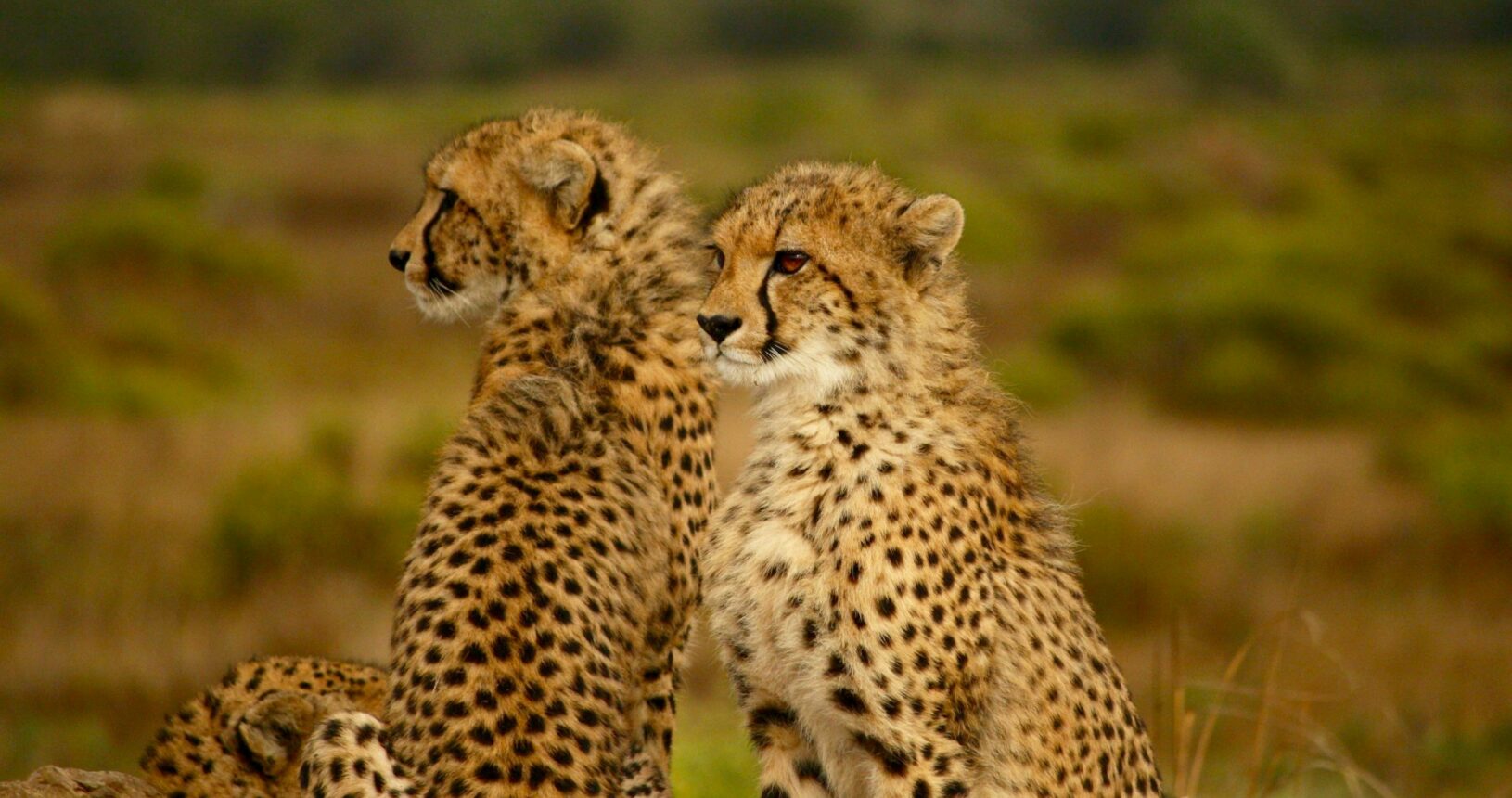
Tswalu Kalahari Private Wildlife Reserve offers exceptional game viewing in July as the cool temperatures encourage constant wildlife movement. With clear skies and dry air, sightings of black-maned Kalahari lions, cheetahs, and desert-adapted species become very reliable. The golden winter light casts a warm glow across the vast red dunes, creating breathtaking photographic opportunities.
Along the Garden Route, July brings crisp, quiet landscapes ideal for scenic drives, forest walks, and lagoon exploration. While not a beach season, destinations like Knysna, Wilderness, and Plettenberg Bay offer peaceful natural beauty, dramatic ocean views, and cosy indoor experiences perfect for winter travellers.
Activities to Enjoy in July
July’s cool, dry climate creates excellent conditions for outdoor exploration. In the safari regions, long game drives offer consistent wildlife activity, while guided bush walks become more comfortable in the mild winter air. Photography thrives under clear skies, golden light, and dust trails that add atmosphere to every scene.
In the Western Cape, visitors can enjoy wine tasting beside fireplaces, whale watching along the coast, and scenic hikes on crisp, clear winter days. The dramatic ocean swells and rugged scenery add a unique charm to coastal exploration. July’s combination of calm weather, excellent visibility, and active wildlife makes it one of the most rewarding months to discover South Africa’s diverse landscapes.
August
August in South Africa
Cool Mornings, Clear Skies, and Superb Safari Visibility
August sits at the tail end of South Africa’s dry winter season, offering crisp mornings, sunny afternoons, and excellent wildlife viewing across the northern safari regions. Vegetation remains sparse, water sources stay limited, and animals gather predictably around rivers and pans, creating some of the best game-viewing conditions of the year. With daytime temperatures around 22–27 °C and cold early mornings, the clear, dry air enhances visibility and delivers ideal conditions for long game drives and photography.
In the Kruger region, Sabi Sands, Timbavati, and Madikwe, predators stay active for longer periods thanks to the cool winter climate, and sightings of elephants, big cats, wild dogs, and plains game are frequent and reliable. The atmosphere feels crisp and bright, with golden winter light that adds warmth and depth to every wildlife scene.
Cape Town and the Western Cape remain in their winter season, with cool temperatures, regular rainfall, and dramatic coastlines shaped by winter storms. However, August marks the early start of whale-watching season along the southern coast, making destinations like Hermanus and Gansbaai particularly rewarding despite the cooler weather.
August is calm, clear, and rich with wildlife activity. It is one of the finest months for safari enthusiasts who want excellent visibility, dry conditions, and crisp winter air, paired with atmospheric coastal experiences in the south.
Understanding the August Weather
The weather in August reflects the final stretch of South Africa’s dry winter season, bringing crisp mornings, bright afternoons, and exceptionally clear skies. In the Kruger region and private reserves such as Sabi Sands, Timbavati, and Madikwe, rainfall is virtually absent, and the vegetation reaches its thinnest point of the year. With daytime highs around 22–27 °C and cold mornings that dip close to 6–10 °C, the landscape turns golden and open, offering ideal conditions for long game drives and uninterrupted wildlife viewing. The dry air, soft winter sunlight, and dust trails create that classic winter safari atmosphere.
In contrast, Cape Town remains in its cool, wet winter season. Temperatures range from 8–18 °C, with regular rainfall and strong coastal winds shaping the moody, dramatic character of the Western Cape. Between showers, clear, crisp days appear with excellent visibility and striking ocean and mountain views. August also signals the early rise of whale season along the southern coast, adding a unique coastal experience during the cooler months.
Wildlife Experiences in August
August stands among the best safari months in South Africa. The dry conditions draw animals to the few remaining water sources, creating consistent and predictable wildlife sightings. Large herds of elephants, buffalo, and antelope gather around pans and rivers, while predators—especially lions, leopards, and wild dogs—take advantage of the improved visibility and lingering winter coolness to stay active for longer periods.
Birdwatching focuses on resident species, which become easier to spot in the open landscapes. The crisp air and soft light enhance photographic opportunities, creating sharp contrasts, warm tones, and atmospheric scenes filled with dust and golden colour. For photographers and wildlife enthusiasts, August offers clarity, movement, and some of the most dramatic safari settings of the year.
Average August Weather
In the Kruger region, temperatures range from 6 °C to 27 °C, accompanied by almost no rainfall and very low humidity. The dry winter climate creates cool mornings, warm afternoons, and consistently clear days ideal for full-day wildlife exploration. Cape Town experiences cool winter conditions between 8 °C and 18 °C, with a mix of rainy days and bright, clear intervals that highlight the city’s rugged coastal beauty.
These contrasting climates make August a strong month for travellers seeking premium safari conditions paired with atmospheric coastal scenery.
Best Places to Visit in August
Tswalu Kalahari Private Wildlife Reserve excels in August, offering wide-open landscapes, excellent visibility, and active desert-adapted wildlife. The cooler temperatures encourage regular animal movement, and the warm morning and afternoon light enrich the red dunes, creating striking scenes and consistent photographic opportunities.
Along the southern coast, the Garden Route remains peaceful and crisp, with forest walks, lagoon activities, and scenic drives thriving in the cool winter air. Meanwhile, Hermanus and Gansbaai begin to attract attention as the whale-watching season gains momentum, offering dramatic sightings of southern right whales close to shore.
Activities to Enjoy in August
The cool, dry weather in August invites travellers to enjoy long hours outdoors. In the safari parks, game drives deliver reliable sightings as animals congregate near water sources. Guided bush walks become especially rewarding thanks to open terrain, cooler air, and clear tracks left in the dry soil. Photographic safaris flourish under the soft winter light, capturing sharp wildlife details and dusty golden scenes.
In the Western Cape, visitors can enjoy whale watching, wine tasting beside warm fireplaces, and crisp coastal walks on days when the skies open. The dramatic winter scenery adds a unique charm to Cape Town and the surrounding coastline. With superb safari visibility and atmospheric coastal experiences, August offers one of the most enriching and visually rewarding months to explore South Africa.
September
September in South Africa
Fresh Spring Air, Blooming Landscapes, and Excellent Safari Viewing
September marks the start of spring in South Africa, bringing warmer days, cool mornings, and the first signs of new life across the country. The dry winter begins to loosen its grip, and the landscapes slowly shift from golden tones to soft greens as new shoots emerge. Skies remain mostly clear, rainfall is still minimal in the safari regions, and the comfortable temperatures create ideal conditions for long days outdoors.
In the northern safari destinations—Kruger, Sabi Sands, Timbavati, and Madikwe—visibility remains excellent thanks to the lingering dryness of winter. Animals continue gathering around limited water sources, making sightings consistent and easy. As the air warms, wildlife activity increases, and many species begin preparing for the spring birthing season. Daytime temperatures typically range between 25–30 °C, while mornings remain cool and refreshing.
Cape Town and the Western Cape transition out of winter, bringing milder temperatures, pockets of sunshine, and the tail end of the rainy season. Days become warmer, flowers begin to bloom, and the famous West Coast wildflower displays reach their peak. With temperatures between 12–22 °C, the region feels fresh, colourful, and vibrant.
September is a beautiful month—mild, lively, and scenic. For travellers seeking warm weather, excellent game viewing, emerging spring landscapes, and quieter travel conditions, September offers one of South Africa’s most rewarding springtime experiences.
Understanding the September Weather
The weather in September ushers in the first full breath of spring across South Africa, bringing warmer days, cool mornings, and refreshing breezes. In the Kruger region and surrounding private reserves such as Sabi Sands, Timbavati, and Madikwe, the dry winter begins to fade. Vegetation remains thin and open from the long dry season, but early hints of green begin to appear. With daytime highs reaching 25–30 °C and low humidity, conditions feel warm and comfortable without the intensity of summer. Clear skies dominate, and the air carries the crisp freshness typical of early spring.
Cape Town transitions out of its winter rainfall, experiencing milder temperatures, occasional showers, and increasing sunshine. With highs of around 12–22 °C, the city begins to bloom, and the landscapes brighten under longer, warmer days. September also marks the peak of the famous West Coast wildflower season, transforming fields into colourful displays that draw visitors from across the country.
Wildlife Experiences in September
Wildlife viewing remains excellent in September as animals continue to rely on limited water sources after the long winter. The open landscapes make sightings easy, and as temperatures rise, animals grow more active throughout the day. Many species begin to prepare for the upcoming birthing season, adding energetic movement and interesting behaviour to game drives. September is also a prime month for predators, which take advantage of the thin vegetation and increased prey movement.
Birdlife becomes lively again as early migrants begin returning, filling the skies and savannahs with new sounds and activity. The increasing warmth and lengthening days enhance photographic opportunities, with softer spring light illuminating wildlife scenes and early patches of green creating fresh, attractive contrasts. For photographers, September offers a dynamic blend of clarity, colour, and movement.
Average September Weather
In the Kruger region, temperatures range from 15 °C to 30 °C, accompanied by very little rainfall as the dry season reaches its final stretch. The air feels warm during the day and refreshing in the mornings and evenings. Cape Town experiences cool-to-mild conditions between 12 °C and 22 °C, with a mix of sunny days and the last light showers of the winter season.
These pleasant, balanced temperatures make September an excellent month for combining early-spring safaris with coastal and cultural exploration in the Western Cape.
Best Places to Visit in September
Tswalu Kalahari Private Wildlife Reserve is particularly attractive in September as the desert landscape begins to warm and wildlife activity increases. Early bursts of green appear after winter, drawing herbivores into open plains and creating excellent visibility for tracking desert-adapted species. The soft spring light enhances the red dunes and produces striking photographic scenes.
Along the coast, the Garden Route thrives during September with mild weather, blooming vegetation, and fewer crowds. Destinations such as Knysna, Wilderness, and Plettenberg Bay feel fresh and vibrant, offering ideal conditions for forest walks, lagoon explorations, and scenic drives. Meanwhile, the West Coast wildflower season reaches its peak, making Namaqualand and surrounding areas some of the most spectacular places to visit during early spring.
Activities to Enjoy in September
The fresh spring climate encourages a wide range of outdoor adventures. Canoeing and kayaking remain rewarding along calm rivers and lagoons, while hiking trails across the Western Cape and Garden Route burst with new colours and scents. Whale watching also peaks in coastal areas such as Hermanus, with excellent shoreline viewing opportunities.
In the safari regions, game drives continue to offer high visibility and consistent wildlife activity. Guided bush walks feel especially pleasant in the cooler mornings, while the improving temperatures make full-day safaris more comfortable. Photography thrives on the combination of clear skies, new greenery, and active wildlife. The blend of spring air, colourful landscapes, and lively animal behaviour makes September an inspiring and enjoyable month to explore South Africa.
October
October in South Africa
Warm Spring Days, Fresh Green Growth, and Rising Wildlife Activity
October marks the heart of spring in South Africa, bringing warmer temperatures, longer days, and the first real signs of summer’s return. The landscapes begin to shift from the dry tones of winter to vibrant greens as new vegetation emerges. The air feels warm but not yet humid, and light afternoon breezes make outdoor exploration pleasant and refreshing.
In the northern safari regions—Kruger, Sabi Sands, Timbavati, and Madikwe—the bush begins to thicken as early rains fall, but visibility remains excellent. Wildlife becomes highly active as many species prepare for the incoming birthing season. Temperatures rise into the 28–32 °C range, and early showers create dramatic skies that enhance the beauty of evening game drives. Rivers and pans begin to refill, drawing animals closer and creating lively, energetic scenes in the bush.
Cape Town and the Western Cape shift fully into spring, bringing mild temperatures, clear skies, and very little rainfall. Days grow warmer—typically 15–26 °C—making it a fantastic month for hiking Table Mountain, scenic drives along the peninsula, and exploring wine estates in Stellenbosch and Franschhoek. Flowers still bloom across the Western Cape, and the coastline feels brighter, calmer, and more inviting as summer approaches.
October carries a vibrant, energetic feel across the country. It blends warm spring weather, colourful scenery, and active wildlife, making it an excellent month for travellers who enjoy mild temperatures, outdoor activities, and the early excitement of summer in South Africa.
Understanding the October Weather
The weather in October reflects the full arrival of spring across South Africa, bringing warm days, clear skies, and the first refreshing rains in the northern regions. In the Kruger area and private reserves such as Sabi Sands, Timbavati, and Madikwe, early summer showers begin to return, softening the dry landscapes after winter. These brief rains encourage new green growth, and temperatures rise into the 28–32 °C range. Humidity begins to build, but the air still feels comfortable, and the skies often display dramatic cloud formations that signal the coming summer.
In contrast, Cape Town enjoys mild, bright spring days with minimal rainfall and warming temperatures. Highs reach around 15–26 °C, and the crispness of winter fades into fresh coastal breezes. Flowers still bloom across parts of the Western Cape, and the long, sunny days create perfect conditions for hiking, beach walks, vineyard tours, and exploring the peninsula.
Wildlife Experiences in October
October offers excellent wildlife experiences as animals respond to warmer temperatures and the first signs of new vegetation. In the northern parks, early showers begin to refill rivers and pans, attracting wildlife to fresh grazing areas. Many species prepare for the birthing season, leading to heightened activity and dynamic behaviour on game drives. Predators take advantage of the increasing movement of prey, making sightings energetic and frequent.
Birdlife becomes especially vibrant as migratory species begin returning, filling the skies with movement and colour. The combination of early greenery, warm spring light, and rising wildlife activity creates superb photographic opportunities. Photographers enjoy the contrast between the lingering dry tones of winter and the emerging greens of spring, along with dramatic skies that form after brief afternoon showers.
Average October Weather
In the Kruger region, temperatures range from 18 °C to 32 °C, with around one to two inches of early rainfall signalling the start of the summer wet season. The weather feels warm, bright, and full of energy. Cape Town experiences mild spring conditions between 15 °C and 26 °C, with low rainfall and increasing sunshine throughout the month.
These balanced temperatures and refreshing changes make October a versatile month for travellers who want both safari experiences and coastal adventures.
Best Places to Visit in October
Tswalu Kalahari Private Wildlife Reserve transforms beautifully during October as early rains stimulate fresh green shoots across the desert landscape. Wildlife responds with increased movement, and the soft spring light enhances the warm tones of the Kalahari’s red dunes. The combination of new plant growth, moderate temperatures, and clear skies creates ideal conditions for photography and immersive wildlife viewing.
The Garden Route offers one of its best seasons in October, with mild temperatures, calm breezes, and lush spring scenery. Plettenberg Bay, Knysna, and Wilderness become perfect for lagoon activities, beach walks, forest hikes, and scenic drives. Cape Town and the West Coast also deliver stunning experiences, with colourful blooms lingering in some areas and ideal weather for exploring the coastline and wine estates.
Activities to Enjoy in October
October’s warm spring climate encourages a wide range of outdoor activities. Canoeing and kayaking feel refreshing in calm rivers and lagoons, while hiking trails in Cape Town and the Garden Route burst with spring colours and comfortable temperatures. Beach days begin returning, especially in sheltered bays along the south and west coasts.
In the safari parks, wildlife viewing thrives on the mix of lingering dry-season visibility and renewed animal movement. Guided bush walks become enjoyable in the warm mornings, and photographic safaris benefit from vibrant skies, new greenery, and active wildlife. With lively spring energy, comfortable weather, and diverse landscapes, October offers an exciting and colourful month to explore South Africa.
November
November in South Africa
Early Summer Heat, Fresh Green Landscapes, and Energetic Wildlife
November marks the arrival of early summer in South Africa, bringing warm temperatures, bright days, and the return of regular rainfall in many regions. The landscapes begin to glow with new greenery, flowers open across the countryside, and the atmosphere shifts into a lively, sunny rhythm that leads into the festive season. Skies often stay clear in the morning, while short, refreshing afternoon showers bring dramatic clouds and vibrant light—typical of early summer across the safari regions.
In the northern safari destinations—Kruger, Sabi Sands, Timbavati, and Madikwe—the wet season fully begins. The bush transforms into bright shades of green, waterholes refill, and wildlife spreads across the rejuvenated landscapes. Temperatures rise into the 30–33 °C range, and humidity builds, giving the parks a warm, tropical feel. This is also one of the most exciting times for wildlife: many antelope and other species begin their birthing season, bringing a surge of newborn animals and heightened predator activity.
Cape Town and the Western Cape settle into their dry, warm summer pattern. With temperatures between 16–28 °C, long sunny days, and minimal rainfall, the region becomes ideal for beaches, mountain hikes, wine-country exploration, and coastal drives. The ocean turns bluer, the winds vary from calm to lively, and the overall feel is bright, social, and vibrant.
November is a dynamic, colourful month that blends early-summer greenery, active wildlife, and the rising energy of the holiday season. For travellers who enjoy warm weather, lush scenery, and a lively atmosphere, November offers a beautiful and refreshing time to explore South Africa.
Understanding the November Weather
The weather in November reflects the arrival of early summer across South Africa, bringing warm days, longer daylight hours, and the return of regular rainfall in the northern safari regions. In the Kruger area and surrounding private reserves such as Sabi Sands, Timbavati, and Madikwe, the first proper summer rains revive the landscapes after the long dry season. Afternoon showers become common, accompanied by dramatic cloud build-ups and refreshing breezes that cool the warm air. With highs reaching 30–33 °C and rising humidity, the bush transforms into bright shades of green as new shoots and fresh grass appear.
Cape Town experiences its dry, warm summer pattern, with blue skies, bright sunshine, and minimal rainfall. With temperatures around 16–28 °C, the city feels vibrant and breezy, offering ideal conditions for beach outings, mountain hikes, seaside dining, and coastal drives. The longer days add to the energetic atmosphere as the region moves into the festive season.
Wildlife Experiences in November
Wildlife viewing in November becomes lively and rewarding as animals respond to the arrival of the early rains. In the northern parks, waterholes begin to refill, and the first green flush encourages herbivores to spread across the landscape. This is one of the most exciting months for newborn animals, especially antelope species whose birthing season begins around this time. The presence of young wildlife attracts predators, adding dynamic interactions and heightened activity throughout the day.
Birdlife becomes a major highlight as migratory species return in large numbers, filling rivers, forests, and bushveld with movement and colour. Photographers enjoy the vibrant scenes created by the mix of fresh greenery, young animals, dramatic afternoon skies, and the soft light of early summer. The overall atmosphere feels energetic and colourful.
Average November Weather
In the Kruger region, temperatures range from 20 °C to 33 °C, with around three to five inches of early-summer rainfall. The rains often arrive as short, intense afternoon storms that refresh the air and stimulate rapid greening of the savannah. Cape Town experiences warm, dry weather between 16 °C and 28 °C, with clear skies dominating the month and only minimal rainfall.
These contrasting weather patterns make November an appealing month for travellers seeking lush safari landscapes paired with coastal summer sunshine.
Best Places to Visit in November
Tswalu Kalahari Private Wildlife Reserve undergoes a striking transformation in November as the early rains trigger bursts of green across the red desert dunes. Herbivores gather to feed on the fresh grass, and predators follow closely, creating excellent wildlife-viewing conditions. The dramatic skies of early summer enhance the beauty of the Kalahari, especially during late-afternoon game drives.
The Garden Route thrives in the warm spring-to-summer transition, offering ideal conditions for beach visits in Plettenberg Bay, forest walks in Wilderness, and lagoon adventures in Knysna. Meanwhile, Cape Town shines with warm, dry, sunny weather perfect for exploring Table Mountain, Chapman’s Peak Drive, and the nearby Winelands.
Activities to Enjoy in November
The early-summer climate invites travellers to enjoy a wide range of outdoor experiences. Canoeing and kayaking flourish on calm rivers, lagoons, and estuaries, where the bright morning light reflects off the water. Swimming and snorkelling become increasingly popular in sheltered coastal bays as temperatures rise and conditions remain clear.
In the safari parks, birdwatching becomes exceptional due to the return of migratory species, while photographic safaris thrive on the combination of dramatic skies, newborn wildlife, and the vibrant green tones of the early wet season. With energetic weather, lush scenery, and lively wildlife behaviour, November offers a dynamic and colourful month to explore South Africa.
December
December in South Africa
Peak Summer, Festive Atmosphere, and Lush Green Scenery
December brings the height of summer to South Africa, with long sunny days, warm temperatures, and a lively festive mood across the country. In the northern safari regions—Kruger, Sabi Sands, Timbavati, and Madikwe—the wet season is fully active. Afternoon showers revive the landscapes into thick green vegetation, temperatures rise to 30–34 °C, and humidity increases. Wildlife remains energetic, with many young animals in the bush, making December colourful and full of life.
Cape Town and the Western Cape enjoy their dry summer season with warm, bright days ranging from 18–30 °C. Beaches, coastal drives, vineyards, and mountain hikes thrive under clear skies, and the region becomes busy with holiday travellers.
December offers vibrant summer weather, lush safari landscapes, and an energetic holiday atmosphere, making it one of the most exciting months to explore South Africa.
Understanding the December Weather
The weather in December marks the height of summer across South Africa, bringing long sunny days, warm temperatures, and a lively festive atmosphere. In the Kruger region and surrounding private reserves such as Sabi Sands, Timbavati, and Madikwe, the wet season is fully underway. Afternoon thunderstorms are frequent, creating dramatic skies and refreshing breaks from the heat. With highs reaching 30–34 °C and humidity increasing, the landscape becomes lush, green, and vibrant as grasses grow tall and waterholes refill.
Cape Town experiences its dry, warm summer climate, with blue skies, minimal rainfall, and steady sunshine. Temperatures typically reach around 18–30 °C, and cooler evenings offer comfort after hot afternoons. The long daylight hours make December perfect for beach outings, outdoor dining, scenic coastal drives, and mountain hikes. The festive season also brings a lively, energetic feel across the city and the broader Western Cape.
Wildlife Experiences in December
Wildlife viewing in December is shaped by the green, rainy season in the northern safari parks. While the thick vegetation can make animals harder to spot, this time of year offers equally special rewards. December is a peak birthing month for many antelope species, filling the bush with newborns taking their first steps. Predators take advantage of this abundance, creating exciting activity and dramatic encounters.
Birdwatching is outstanding as migratory species arrive in large numbers, adding colour and movement to rivers, wetlands, and forests. Photographers enjoy the saturated green landscapes, dramatic afternoon clouds, and the abundance of young animals. The atmosphere feels warm, life-filled, and dynamic, offering a different but equally captivating safari experience.
Average December Weather
In the Kruger region, temperatures range from 20 °C to 34 °C, accompanied by around four to six inches of summer rainfall. Afternoon thunderstorms are common, refreshing the air and enhancing the dense, green environment. Cape Town enjoys dry, sunny summer conditions between 18 °C and 30 °C, with very little rainfall and many clear, bright days ideal for outdoor activities.
These contrasting climates allow travellers to combine green-season safari adventures with beach-friendly weather along the Western Cape.
Best Places to Visit in December
Tswalu Kalahari Private Wildlife Reserve transforms beautifully in December as early-summer rains stimulate fresh grass and draw wildlife across the expansive dunes. The vibrant red sands contrast sharply with the new greenery, creating striking photographic conditions and lively wildlife scenes.
The Garden Route thrives under warm summer sunshine, offering perfect conditions for beach days in Plettenberg Bay, forest hikes in Wilderness, and lagoon adventures in Knysna. Cape Town also stands out as one of the best destinations in December, with ideal beach weather, clear mountain views, active waterfronts, and long, warm evenings for coastal exploration and dining.
Activities to Enjoy in December
December’s hot summer climate encourages travellers to enjoy water-based and outdoor activities. Canoeing and kayaking become popular in calm rivers and lagoons, while swimming and snorkelling flourish along sheltered coastlines with warm water and clear conditions. Beach visits, sunset picnics, and ocean adventures dominate the Western Cape’s summer lifestyle.
In the safari parks, birdwatching peaks with the arrival of migratory species, and photographic safaris thrive on the mix of lush scenery, dramatic skies, and abundant newborn wildlife. The warm energy of summer, combined with vibrant landscapes and lively animal behaviour, makes December an exciting and colourful month to explore South Africa.
Steps to Book Your Southern Africa Tour
Choose Your Adventure
Confirm Your Booking
Begin Your Journey
Ready to plan your tailor-made safari?