
Kenya vs South Africa
February 10, 2026
Safari in Uganda vs Safari in Kenya
February 10, 2026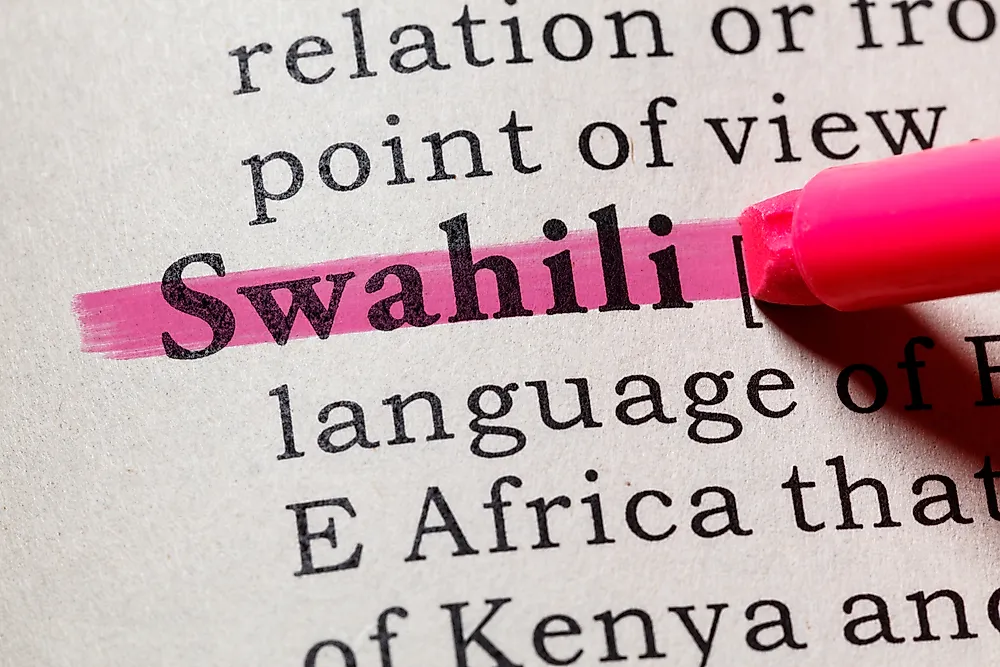
Languages in Kenya
Kenya is one of Africa’s most linguistically diverse countries, with more than 40 indigenous languages spoken across its regions. Language in Kenya reflects ethnic identity, regional history, and colonial influence. While many communities maintain strong attachment to their mother tongues, national communication is unified through two official languages: English and Swahili.
This multilingual structure allows Kenya to function effectively at national and international levels while preserving rich cultural diversity at the community level.
Why Book This Destination
Explore More about Languages in Kenya
Official Languages: English and Swahili
Kenya recognizes English and Swahili as its official languages. English is widely used in government, law, education, business, and media. It is the primary language of instruction in schools from upper primary level onward and dominates formal communication.
Swahili, or Kiswahili, serves as the national language and acts as a unifying linguistic bridge between ethnic groups. It is spoken across urban and rural areas and plays a central role in daily interaction, trade, and national identity. Swahili’s roots lie in centuries of coastal trade influenced by Arab and Persian merchants, especially along the Indian Ocean coast in cities such as Mombasa.
Most Kenyans are bilingual, comfortably switching between English and Swahili depending on context.
Indigenous Languages
Beyond the two official languages, Kenya is home to a wide range of indigenous languages belonging primarily to Bantu, Nilotic, and Cushitic language families. These languages are deeply tied to ethnic communities and cultural heritage.
Among Bantu-speaking communities, languages such as Kikuyu, Luhya, and Kamba are widely spoken. Nilotic languages include those spoken by the Luo and Maasai communities. Cushitic languages are used by groups in northern and eastern Kenya, including Somali-speaking populations.
In rural areas, indigenous languages often dominate home and community life, while Swahili or English may be used in formal settings.
Sheng: Urban Youth Language
In major urban centers such as Nairobi, a dynamic hybrid language known as Sheng has emerged. Sheng blends Swahili, English, and elements of various indigenous languages. It developed among urban youth and has become a marker of city identity and popular culture.
While Sheng is informal and constantly evolving, it reflects Kenya’s adaptability and cultural creativity. It is commonly heard in music, media, and street conversation.
Language in Education and Media
English dominates Kenya’s education system, particularly in secondary schools and universities. Swahili is taught as a compulsory subject, reinforcing national cohesion. Indigenous languages are often introduced in early primary education in some regions to strengthen foundational learning.
Media outlets broadcast in multiple languages depending on target audiences. National television and newspapers largely operate in English and Swahili, while local radio stations frequently broadcast in indigenous languages.
This multilingual media environment ensures broad accessibility across communities.
Language and Identity
Language in Kenya is closely tied to identity, heritage, and social belonging. Speaking one’s mother tongue often signals community membership and cultural continuity. At the same time, fluency in English and Swahili enables national integration and economic mobility.
The coexistence of multiple languages demonstrates Kenya’s balance between preserving tradition and embracing modernity.
Overall Linguistic Landscape
Kenya’s linguistic environment is layered and dynamic. English provides international connectivity, Swahili fosters national unity, and indigenous languages sustain cultural depth. Urban innovations like Sheng add further complexity to the country’s communication landscape.
For visitors, English is widely spoken in tourism settings, making travel easy. Yet behind this accessibility lies a rich mosaic of languages that reflects Kenya’s diverse and evolving cultural identity.
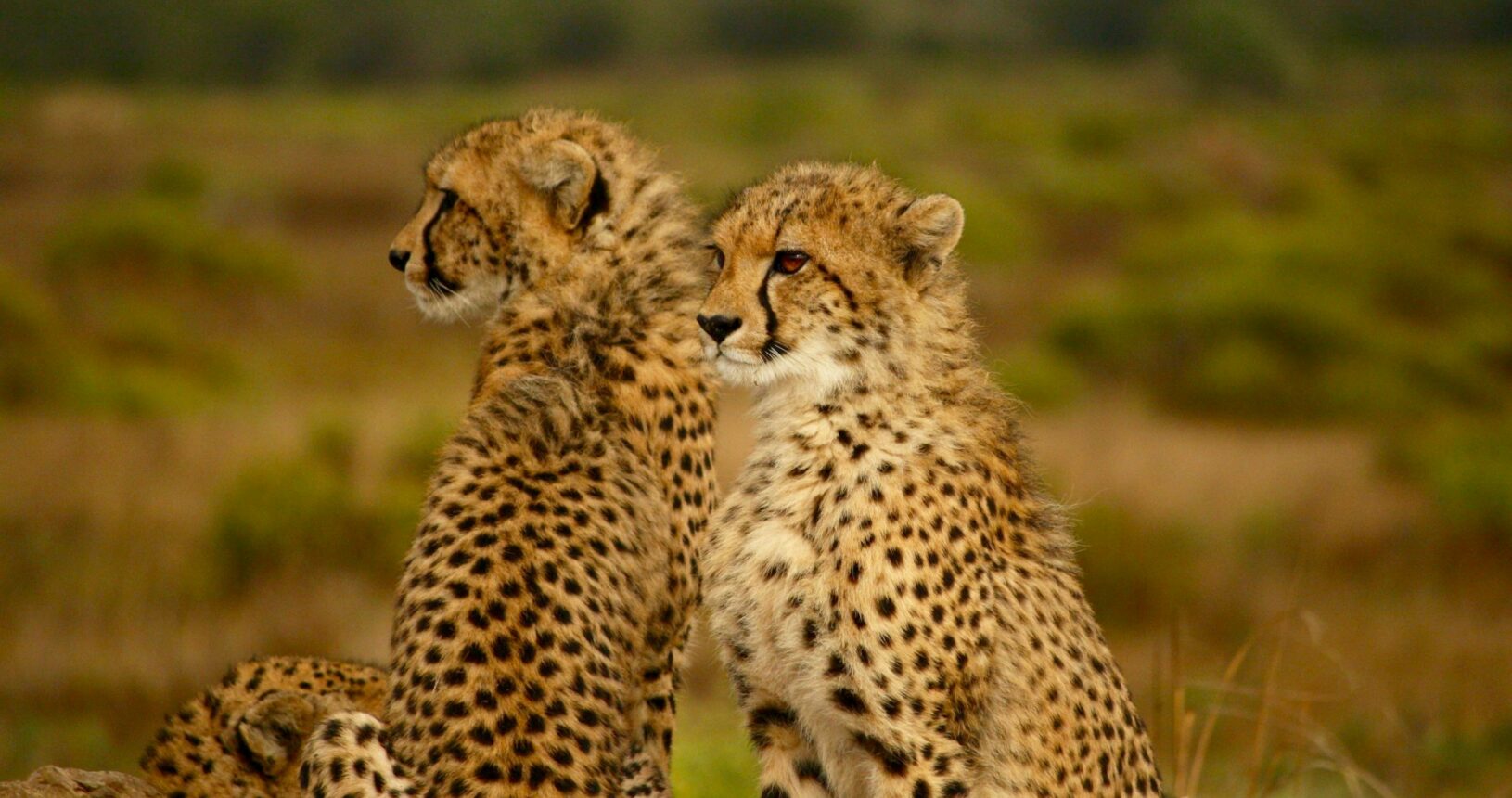
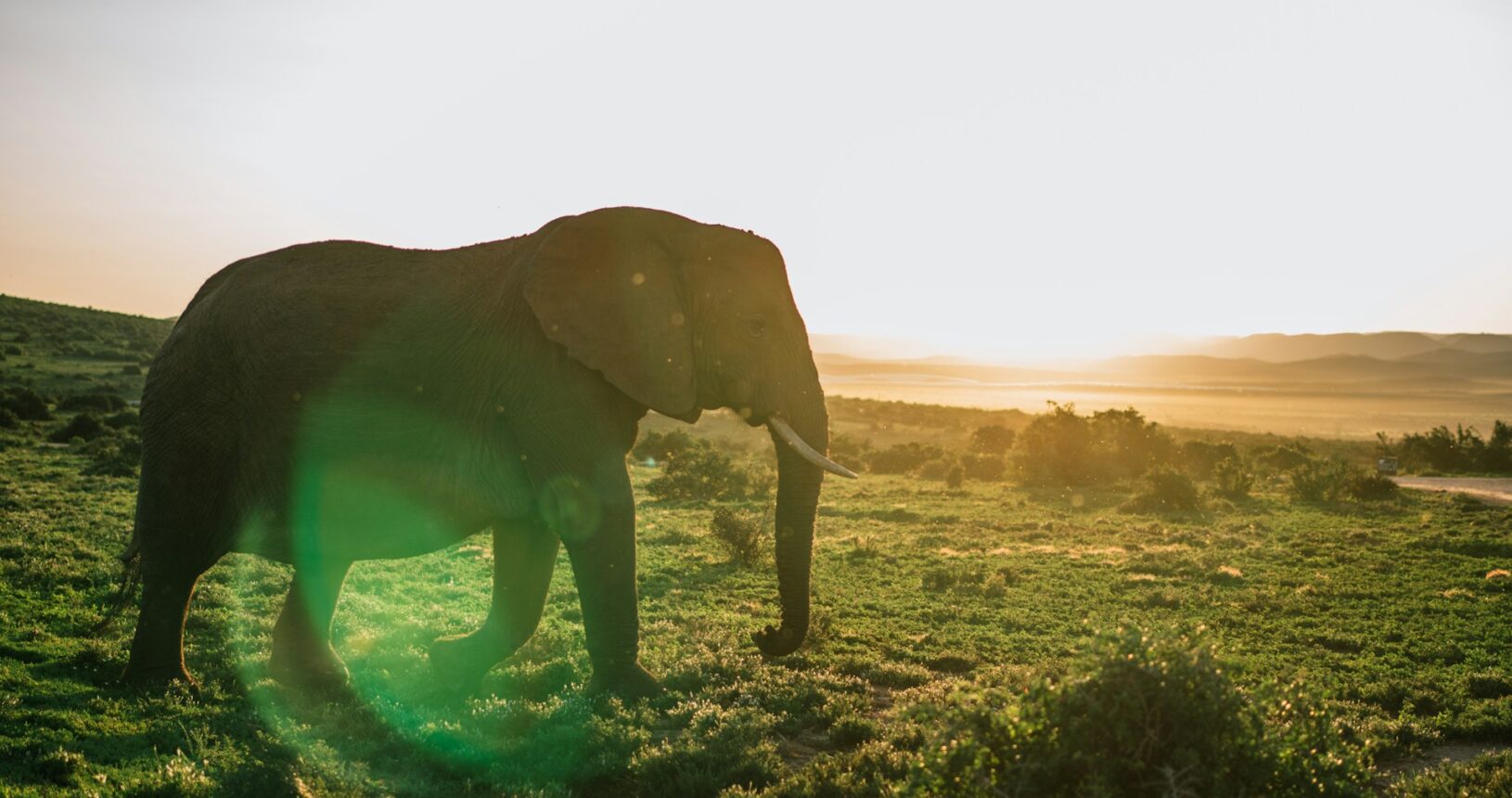
In Africa’s national parks, every sunrise paints a masterpiece — where the wild’s call echoes across endless horizons. Visiting these parks is to witness nature in its purest form, a timeless dance that stirs the soul.

Steps to Book Your Southern Africa Tour
Choose Your Adventure
Confirm Your Booking
Begin Your Journey
Ready to plan your tailor-made safari?