Wellness Safaris
February 10, 2026
Walking Safaris In Kenya
February 10, 2026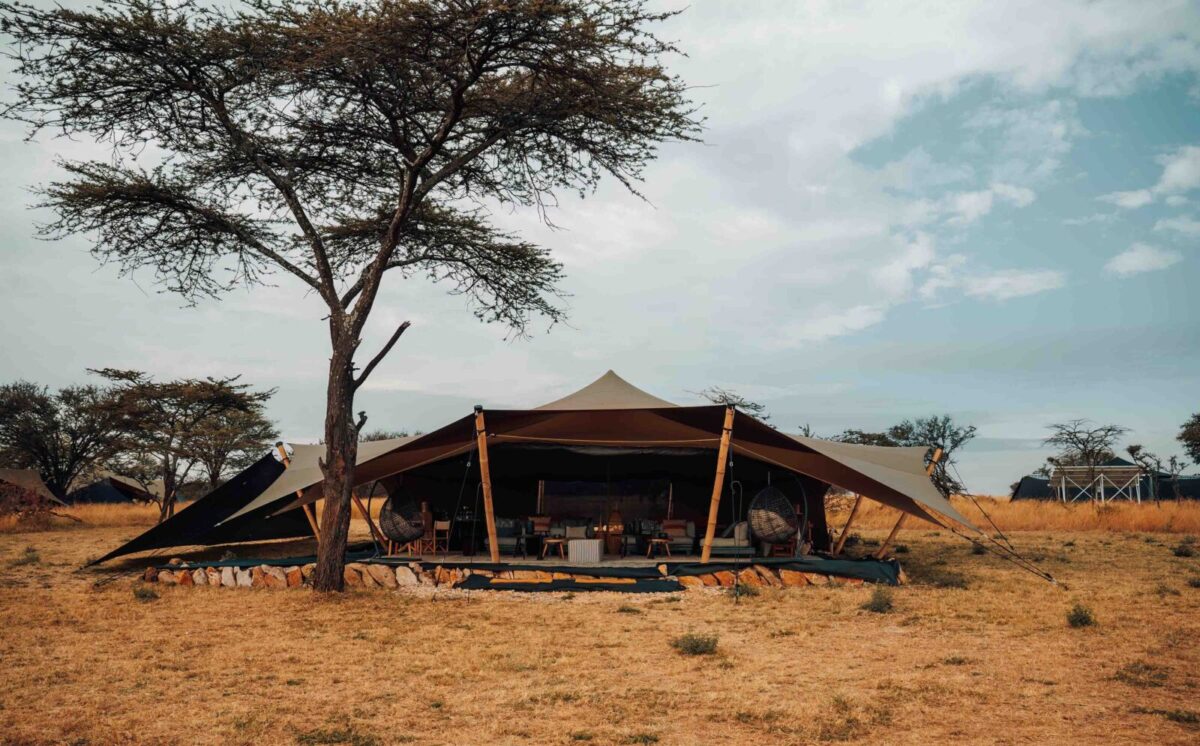
Remote Safaris
Remote safaris represent the most immersive and exclusive form of wildlife travel in Africa. They move far beyond mainstream safari circuits and take travelers into vast, lightly visited ecosystems where nature dominates and human presence feels minimal. These journeys are defined by privacy, authenticity, and deep wilderness connection rather than convenience or volume tourism.
In remote safari regions, you do not compete for wildlife sightings or queue behind multiple vehicles. You explore expansive landscapes where encounters unfold naturally and often in complete solitude. The silence, the scale of the terrain, and the rhythm of untamed ecosystems define the experience.
Why Book This Destination
Explore More about Remote Safaris
What Defines a Remote Safari?
Isolation and Limited Access
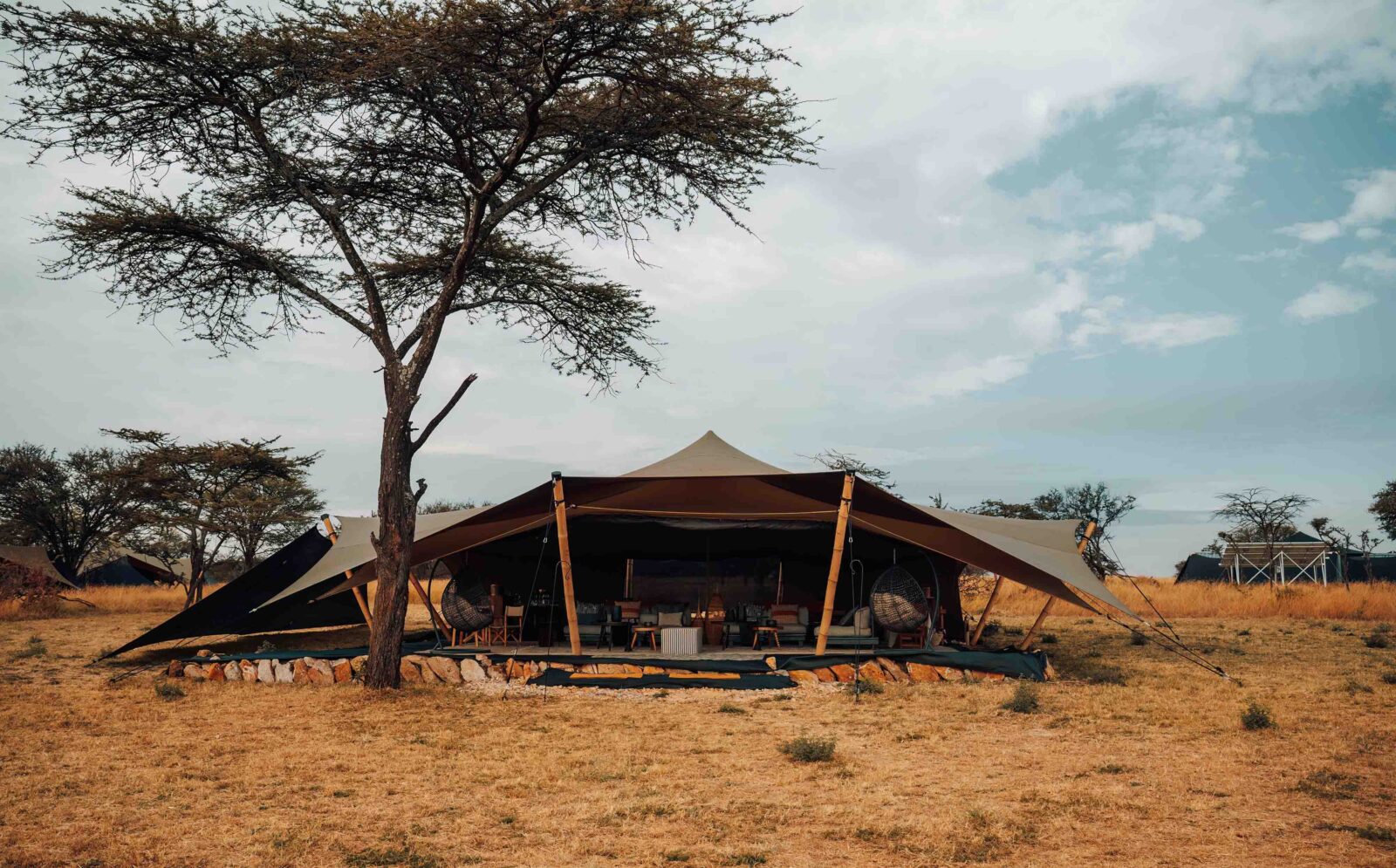
A true remote safari destination lies far from busy park gates, major towns, and heavily trafficked tourism corridors. Access frequently involves light aircraft transfers, long four-wheel-drive journeys, or seasonal bush airstrips. The journey itself becomes part of the experience.
Limited accessibility protects the ecosystem. Fewer vehicles enter these regions, wildlife remains less habituated to human presence, and visitor numbers stay deliberately controlled. Camps often host only a handful of guests at any one time, preserving both exclusivity and ecological balance.
Intimate, Low-Impact Camps
Accommodation in remote safari regions prioritizes intimacy over scale. Instead of large lodges with extensive infrastructure, you find small tented camps, eco-sensitive bush retreats, or exclusive-use villas. These properties blend into their surroundings and operate with strict environmental standards.
Power may be solar-generated. Water usage is carefully managed. Seasonal camps are dismantled during heavy rains to minimize environmental impact. The design philosophy focuses on immersion rather than excess.
Natural Wildlife Behavior
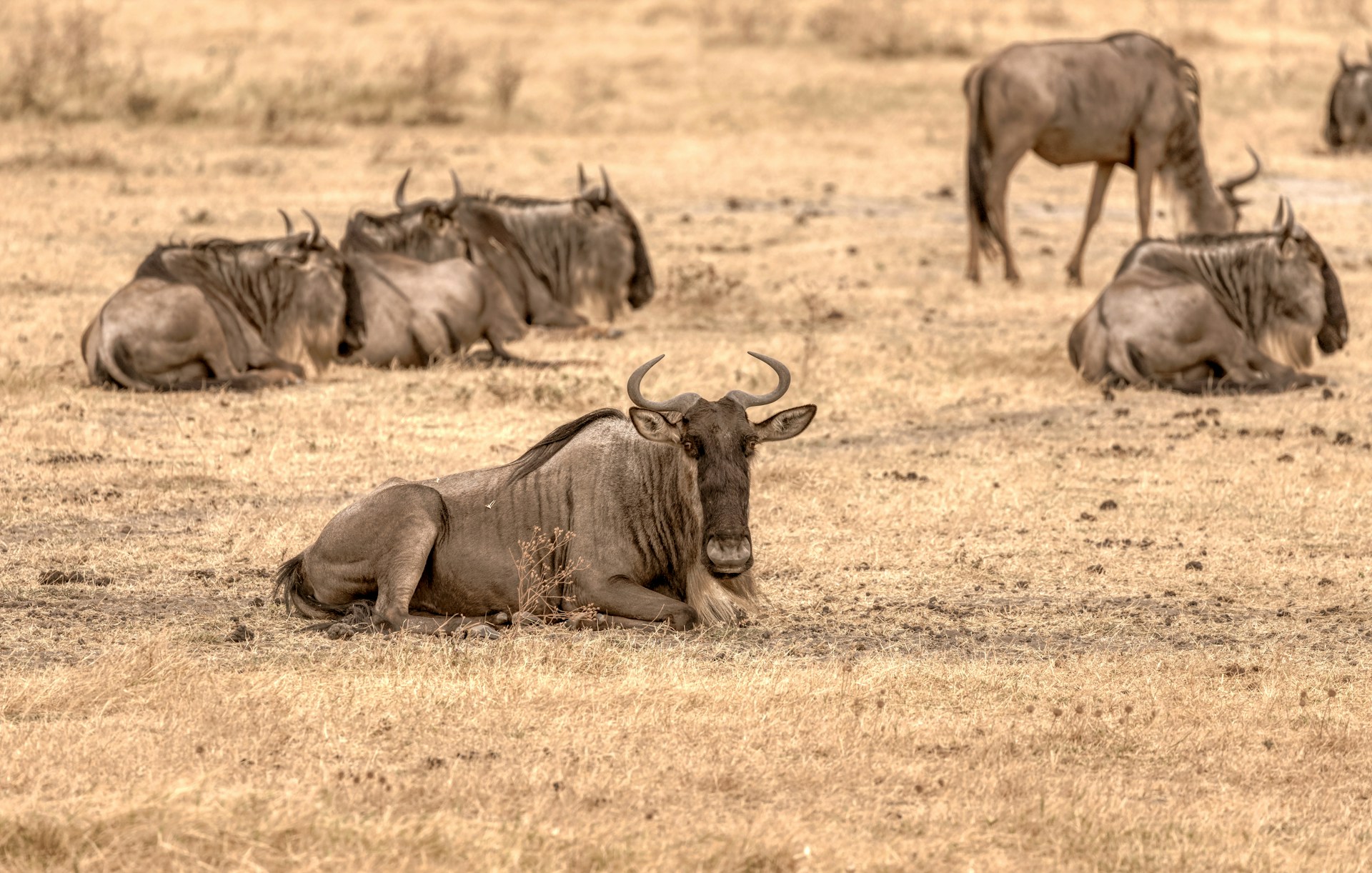
Because remote regions experience lower tourism pressure, wildlife behavior remains largely undisturbed. Predators hunt without vehicle interference. Elephant herds move naturally between water sources. Birdlife flourishes in intact habitats.
Encounters feel unscripted and genuine. You may spend hours observing a single pride of lions without another vehicle in sight. The experience becomes observational rather than competitive.
Leading Remote Safari Destinations in Africa
Okavango Delta, Botswana
The Okavango Delta remains one of Africa’s most celebrated remote ecosystems. This inland delta transforms desert sands into a network of seasonal floodplains, islands, and channels. Access is primarily by small aircraft, which limits visitor flow and enhances exclusivity.
Private concessions within the delta offer exceptional predator viewing, mokoro canoe excursions, and seasonal walking safaris. Wildlife density shifts with water levels, creating a dynamic safari environment throughout the year.
South Luangwa National Park, Zambia
South Luangwa is widely regarded as the birthplace of the modern walking safari. Its remote bush camps operate deep inside the park, far from permanent lodge clusters. Seasonal camps open during the dry months when wildlife gathers near the Luangwa River.
The park is particularly known for its strong leopard population and immersive guiding culture. Safaris here prioritize interpretation, tracking skills, and intimate wildlife encounters.
Nyerere National Park, Tanzania
Formerly known as Selous, Nyerere National Park represents one of Africa’s largest protected wilderness areas. Its vastness ensures that large portions of the park remain rarely visited. Remote river camps along the Rufiji River provide opportunities for boat safaris in addition to traditional game drives.
The park supports populations of African wild dogs, elephants, buffalo, and numerous bird species. Its scale creates a sense of exploration rarely matched elsewhere.
Samburu National Reserve and Laikipia Plateau, Northern Kenya
Northern Kenya offers a different form of remoteness defined by rugged landscapes and community conservancies. These regions operate under low-density tourism models where visitor numbers are strictly controlled.
The wildlife includes endemic species adapted to arid conditions. Safari activities often extend beyond game drives to include camel trekking, horseback safaris, and cultural engagement with local communities.
Types of Experiences on Remote Safaris
Walking Safaris
Walking safaris form a cornerstone of many remote experiences. Exploring the bush on foot shifts attention from large mammals to the intricate details of the ecosystem. Guides interpret tracks, plant species, insects, and subtle animal behavior.
This slow pace fosters deeper understanding and heightens sensory awareness. Every sound and scent becomes part of the journey.
Fly-In Safaris
Given the isolation of many remote areas, fly-in access is common. Small aircraft transfers shorten travel time and provide extraordinary aerial views of wilderness landscapes. These flights often land on simple dirt airstrips located near camps.
Fly-in safaris maximize time in the bush while maintaining the exclusivity of hard-to-reach regions.
Seasonal Bush Camps
Certain remote camps operate only during dry seasons when wildlife concentrates around water sources. During rainy periods, these camps are dismantled or closed to protect fragile terrain.
This seasonal approach preserves habitat integrity and enhances wildlife viewing quality during operating months.
Exclusive-Use Safaris
Remote regions frequently offer entire camps or villas for private booking. This option suits families, honeymooners, or small groups seeking complete privacy. Schedules become flexible, and guiding is fully personalized.
Advantages of Choosing a Remote Safari
Remote safaris offer unmatched privacy and minimal vehicle congestion. Wildlife encounters feel uninterrupted and authentic. The absence of mass tourism enhances both photographic opportunities and emotional connection to the landscape.
These safaris also contribute directly to conservation. Many remote areas operate within private concessions where tourism revenue supports anti-poaching patrols, habitat protection, and community initiatives.
Guiding standards are often exceptionally high. Smaller guest numbers allow for deeper interpretation and flexible activity planning.
Considerations Before Booking
Remoteness requires flexibility. Travel logistics may involve multiple connections and light aircraft schedules. Weather conditions can influence accessibility, particularly during rainy seasons.
Connectivity is limited in many camps. Internet and mobile networks may be weak or unavailable. Travelers should embrace digital disconnection as part of the experience.
Comprehensive travel insurance, including evacuation coverage, remains essential.
Who Should Choose a Remote Safari?
Remote safaris suit experienced safari travelers seeking a deeper wilderness immersion. They also appeal to photographers, conservation-minded visitors, honeymooners, and travelers celebrating milestone occasions.
First-time safari guests can enjoy remote experiences as well, provided they understand the nature of limited infrastructure and longer travel routes.
Best Time for Remote Safaris
Dry seasons typically provide optimal wildlife visibility as animals gather near water sources. In southern Africa, peak months often run from June to October. East African destinations vary according to rainfall cycles.
Green seasons bring dramatic scenery, migratory birdlife, and fewer visitors. While wildlife may disperse, the landscapes transform into vibrant ecosystems.
Seasonality differs by region, making destination-specific planning essential.
Conservation Value of Remote Safaris
Remote safari tourism plays a critical role in protecting large wilderness ecosystems. Revenue supports ranger salaries, anti-poaching operations, scientific research, and local community programs.
Without tourism income, many of these regions would face increased pressure from poaching, agriculture, or land conversion. Choosing remote safaris directly contributes to long-term conservation sustainability.
Planning a Remote Safari Itinerary
Combining a remote safari with a more accessible wildlife region often creates a balanced itinerary. Travelers can experience iconic highlights while also exploring untouched wilderness areas.
Advance planning remains important. Seasonal camp availability, aircraft logistics, and park regulations require coordination well before travel dates.
Working with experienced safari planners ensures that logistics, safety, and conservation standards align with expectations.
Conclusion
Remote safaris deliver Africa in its most elemental form. They remove the distractions of mass tourism and restore the rhythm of untamed landscapes. Silence replaces congestion. Authenticity replaces spectacle.
For travelers seeking exclusivity, meaningful wildlife encounters, and true wilderness immersion, remote safaris offer an experience that goes beyond observation. They offer connection, perspective, and lasting impact.
In Africa’s national parks, every sunrise paints a masterpiece — where the wild’s call echoes across endless horizons. Visiting these parks is to witness nature in its purest form, a timeless dance that stirs the soul.
Steps to Book Your Southern Africa Tour
Choose Your Adventure
Confirm Your Booking
Begin Your Journey
Ready to plan your tailor-made safari?