Mara North Conservancy
February 10, 2026
Mount Kenya and Aberdares
February 10, 2026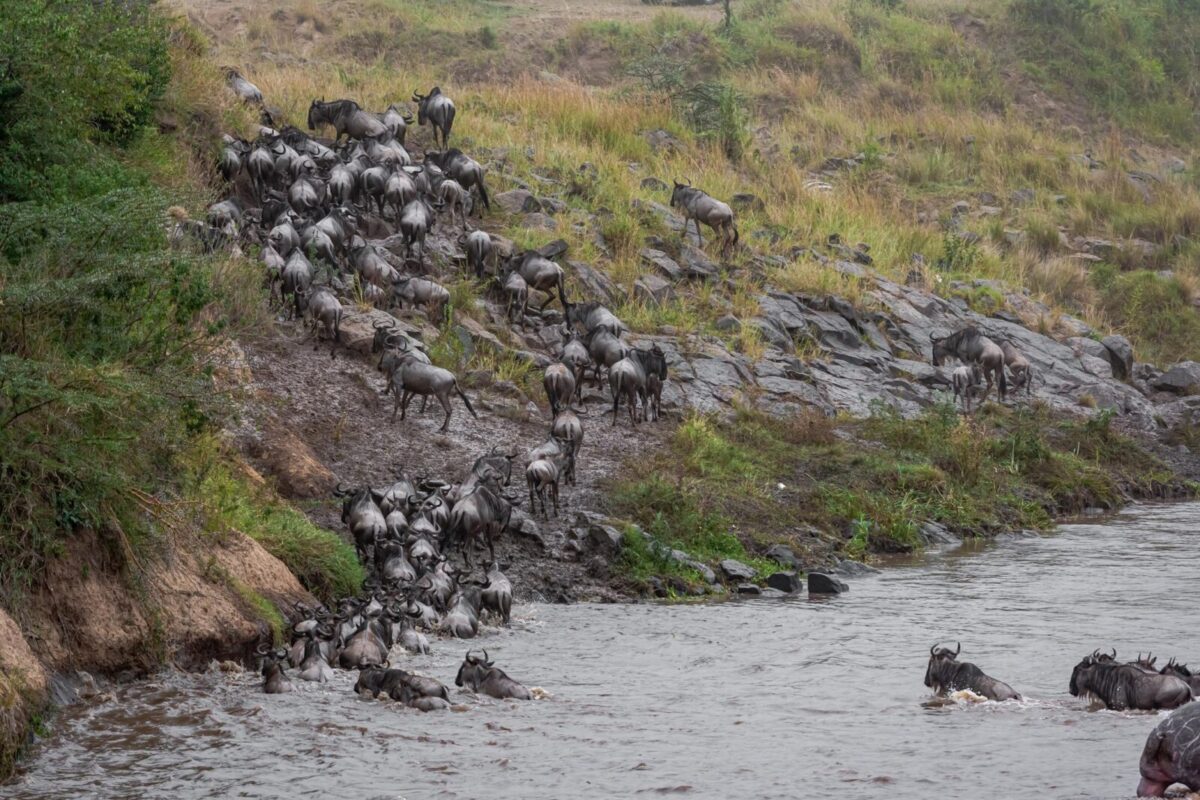
Maasai Mara National Reserve
Maasai Mara National Reserve is one of Africa’s most celebrated wildlife destinations, located in southwestern Kenya along the border with Tanzania. The reserve forms the northern extension of the vast Serengeti National Park ecosystem, creating one of the most important wildlife landscapes on the continent.
Famous for its open savannah plains, dense wildlife populations, and the dramatic annual Great Migration, the Maasai Mara attracts travelers from around the world seeking an authentic African safari experience. The reserve is also renowned for its exceptional predator sightings and iconic wildlife photography opportunities.
Its combination of wildlife abundance, scenic landscapes, and cultural heritage makes it one of Kenya’s most iconic safari destinations.
Why Book This Destination
Explore More about Maasai Mara National Reserve
Location and Geography
Maasai Mara National Reserve lies in Narok County approximately 270 kilometers southwest of Nairobi. The reserve covers roughly 1,500 square kilometers of protected savannah grassland, riverine forest, and rolling hills.
The Mara River flows through the reserve, creating a vital water source for wildlife and forming one of the most dramatic stages of the Great Migration. Several smaller rivers and seasonal streams also support wildlife throughout the year.
The landscape is dominated by open grasslands dotted with acacia trees and occasional rocky outcrops known as kopjes, which often serve as vantage points for predators.
Wildlife in the Maasai Mara
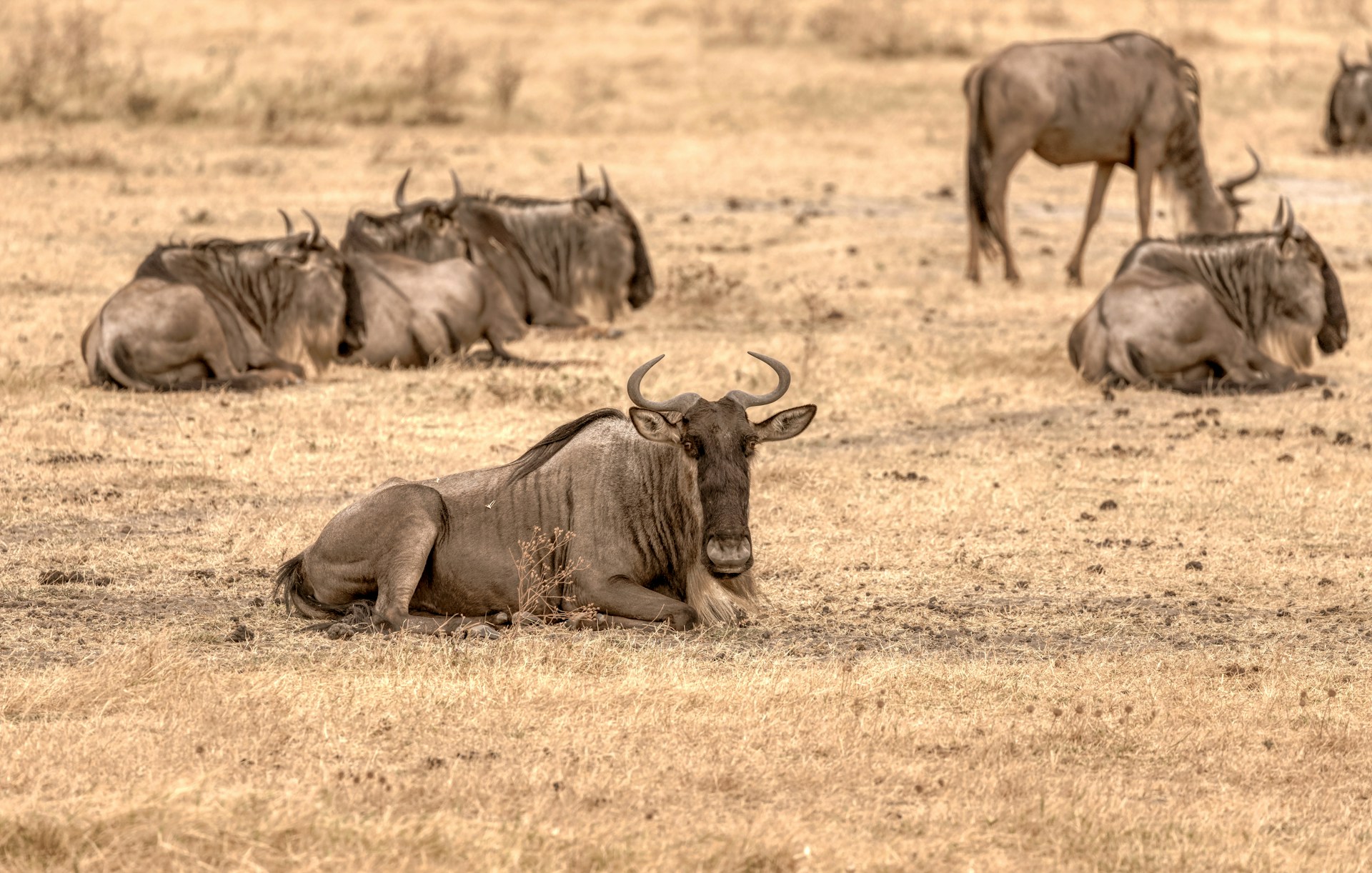
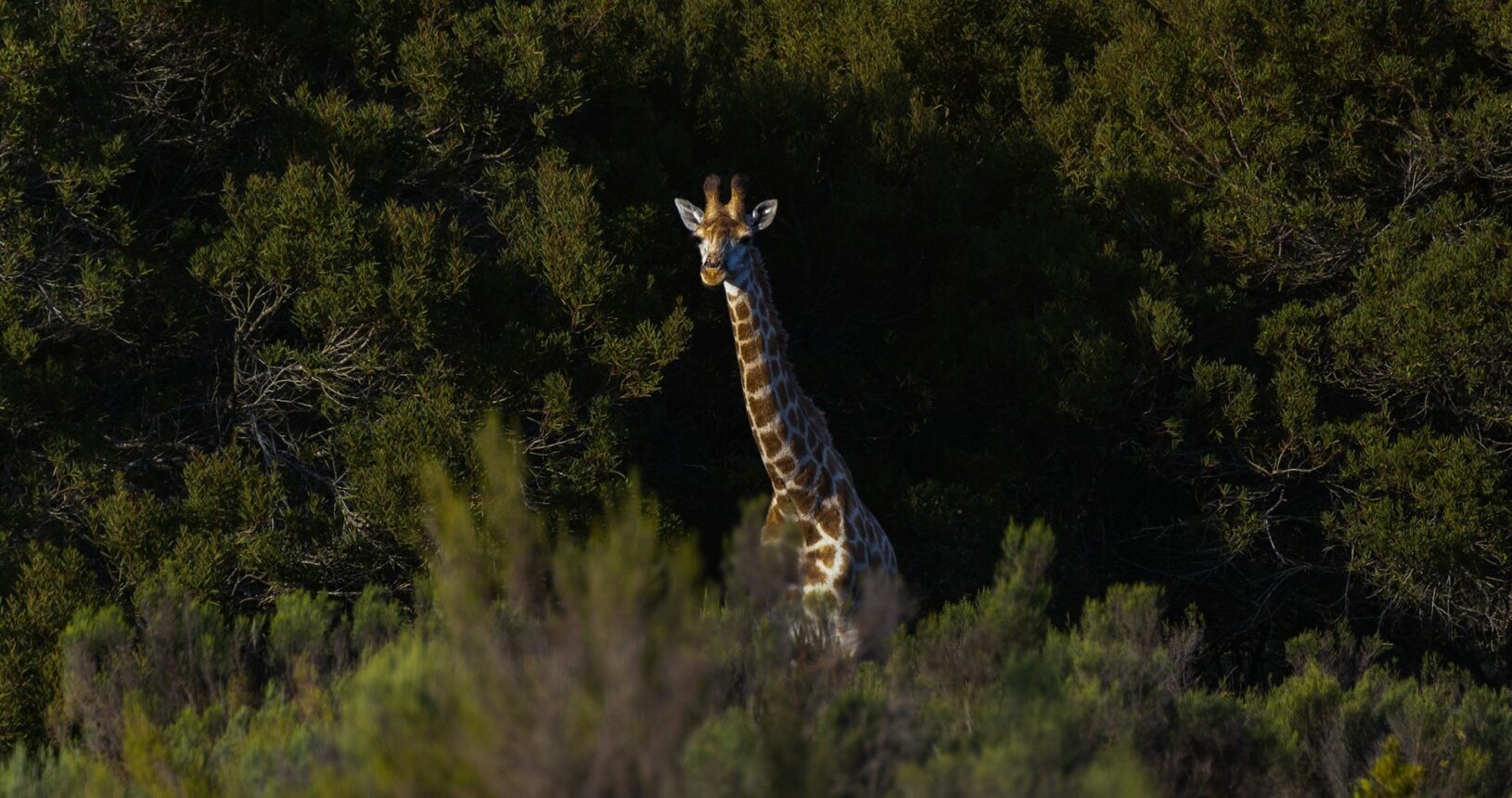
The Maasai Mara supports one of the richest concentrations of wildlife in Africa. Large populations of herbivores roam the plains, including wildebeest, zebras, buffalo, giraffes, and various antelope species.
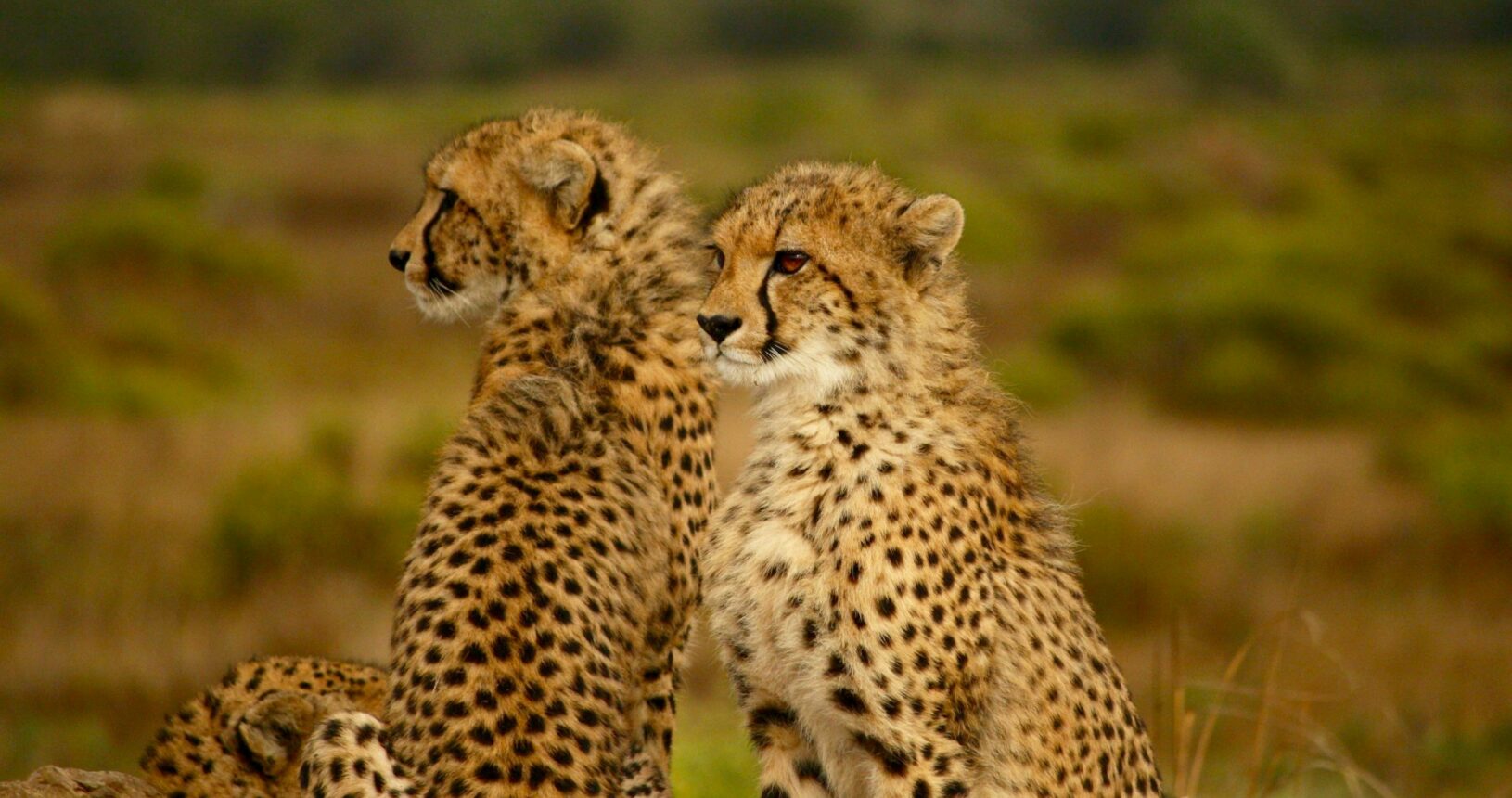
Predators are particularly abundant in the reserve. Lions are frequently seen resting under acacia trees or hunting across the plains, while cheetahs and leopards also inhabit the region. Spotted hyenas are common and play a vital role in maintaining ecological balance.
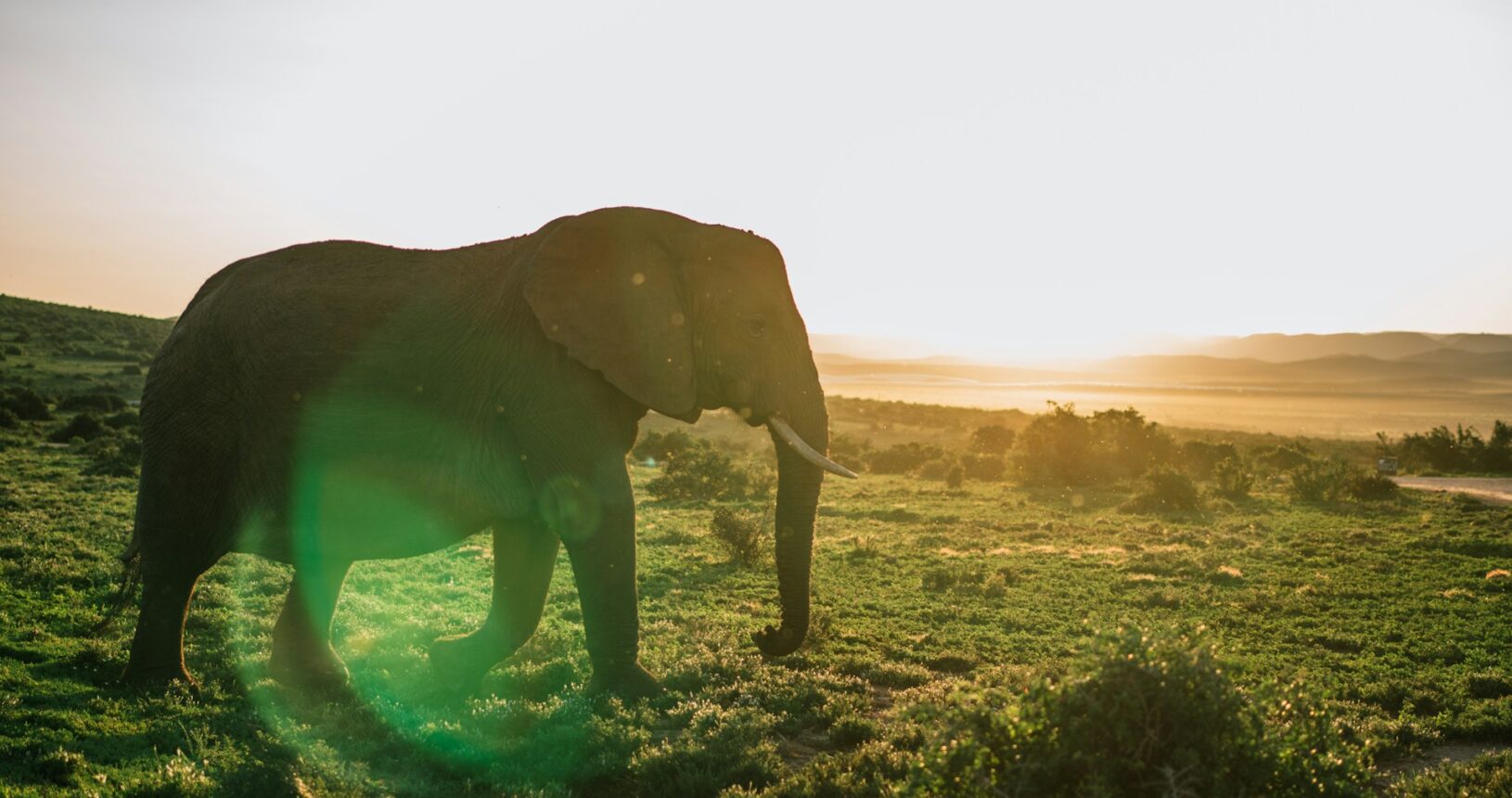
Elephants are widely distributed throughout the reserve, especially near riverine forests and woodland areas. Hippos and crocodiles inhabit the Mara River, adding to the diversity of wildlife found in the ecosystem.
The Great Migration
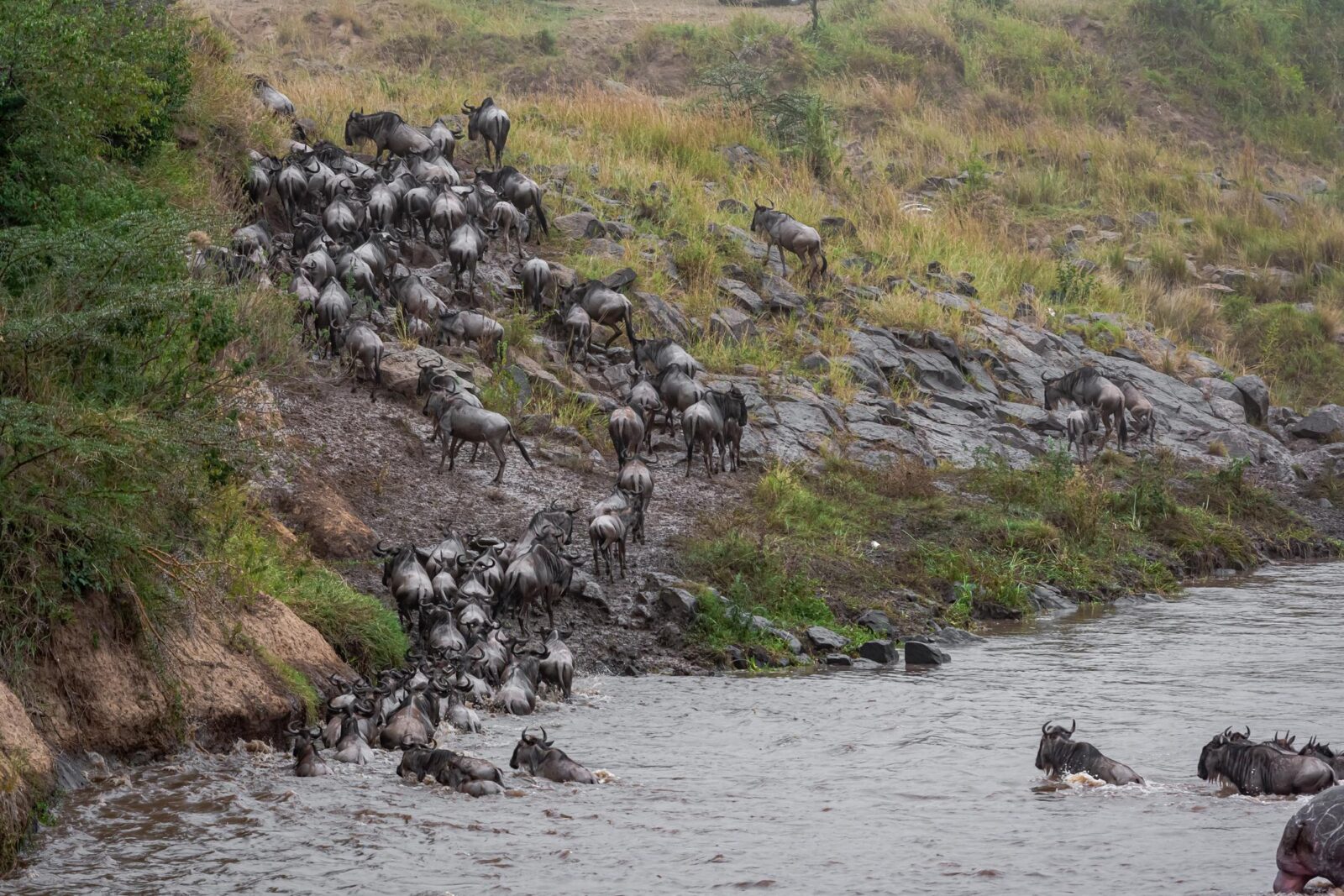
One of the most famous wildlife spectacles on Earth occurs annually in the Maasai Mara during the Great Migration. Each year, more than a million wildebeest accompanied by hundreds of thousands of zebras and gazelles migrate between the Serengeti and Maasai Mara in search of fresh grazing.
The migration typically reaches the Maasai Mara between July and October, when herds cross the Mara River in dramatic scenes that involve powerful currents and waiting crocodiles. These crossings attract predators and create intense wildlife interactions.
The migration remains one of the most extraordinary natural events witnessed on safari.
Birdlife
The Maasai Mara is also an exceptional birding destination with over 450 recorded bird species. Raptors such as martial eagles, bateleurs, and secretary birds are frequently seen hunting across the plains.
Riverine forests support kingfishers, herons, and storks, while smaller birds inhabit grasslands and acacia woodlands. Migratory species arrive during certain seasons, increasing the diversity of birdlife within the reserve.
Birdwatchers visiting the Mara often discover an impressive variety of species alongside the more famous large mammals.
Safari Activities
Game drives are the primary activity in the Maasai Mara, allowing visitors to explore the reserve’s diverse landscapes and observe wildlife in their natural habitats. Morning and evening drives are particularly productive times for wildlife viewing as animals are most active during cooler hours.
Hot air balloon safaris provide a unique aerial perspective of the Mara plains at sunrise. These flights offer sweeping views of wildlife herds, river systems, and the vast savannah landscape.
Cultural visits to nearby Maasai communities allow visitors to learn about traditional pastoral lifestyles and the cultural heritage that has shaped the region for generations.
Conservation and Community
The Maasai Mara ecosystem is closely linked with local Maasai communities whose traditional grazing lands surround the reserve. Many nearby conservancies operate through partnerships between Maasai landowners and tourism operators, creating a conservation model that supports both wildlife protection and community livelihoods.
Tourism revenue contributes to conservation initiatives, anti-poaching efforts, and community development projects including schools and healthcare programs.
These partnerships play an important role in preserving the region’s biodiversity.
Accommodation Options
The Maasai Mara offers a wide range of accommodation options including luxury safari lodges, exclusive tented camps, and midrange safari properties. Many camps are positioned along riverbanks or overlooking open plains where wildlife frequently gathers.
Luxury lodges often provide viewing decks, infinity pools, and private verandas that allow guests to observe wildlife directly from their rooms.
The variety of accommodation ensures that travelers can experience the Maasai Mara according to their preferred level of comfort and style.
Best Time to Visit
The Maasai Mara can be visited throughout the year, though the dry season from June to October is considered the best time for wildlife viewing. During this period animals gather around water sources and vegetation becomes less dense, making wildlife easier to spot.
The Great Migration typically occurs between July and October, making these months particularly popular for safari travelers.
The green seasons from November to May bring lush landscapes and excellent birdwatching opportunities, along with fewer visitors.
Overall Safari Experience
The Maasai Mara National Reserve represents the essence of the African safari. Its vast plains, remarkable wildlife density, and dramatic migration events create an unforgettable wilderness experience.
For travelers seeking exceptional wildlife encounters, iconic landscapes, and a deeper understanding of East Africa’s natural heritage, the Maasai Mara remains one of the most compelling safari destinations in the world.
In Africa’s national parks, every sunrise paints a masterpiece — where the wild’s call echoes across endless horizons. Visiting these parks is to witness nature in its purest form, a timeless dance that stirs the soul.
Steps to Book Your Southern Africa Tour
Choose Your Adventure
Confirm Your Booking
Begin Your Journey
Ready to plan your tailor-made safari?