Big Five
February 1, 2026
Romantic Getaways
February 1, 2026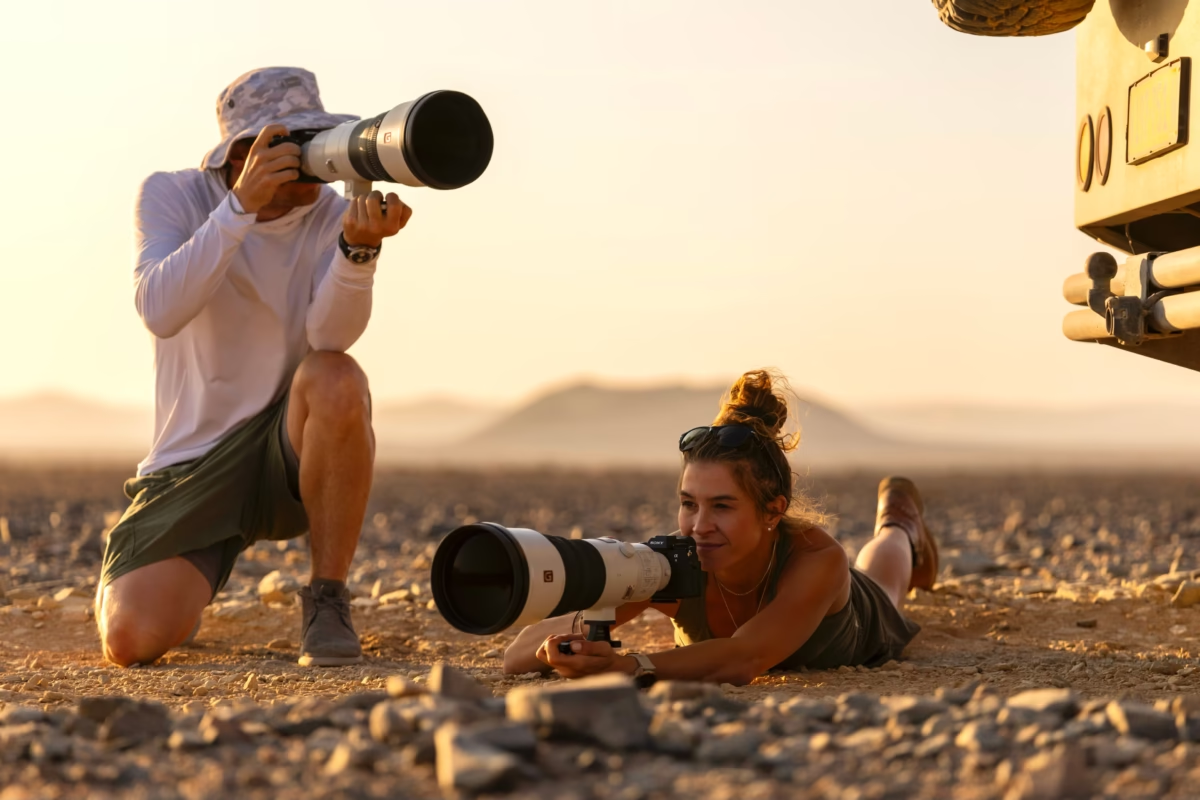
Photographic Experiences in Zimbabwe
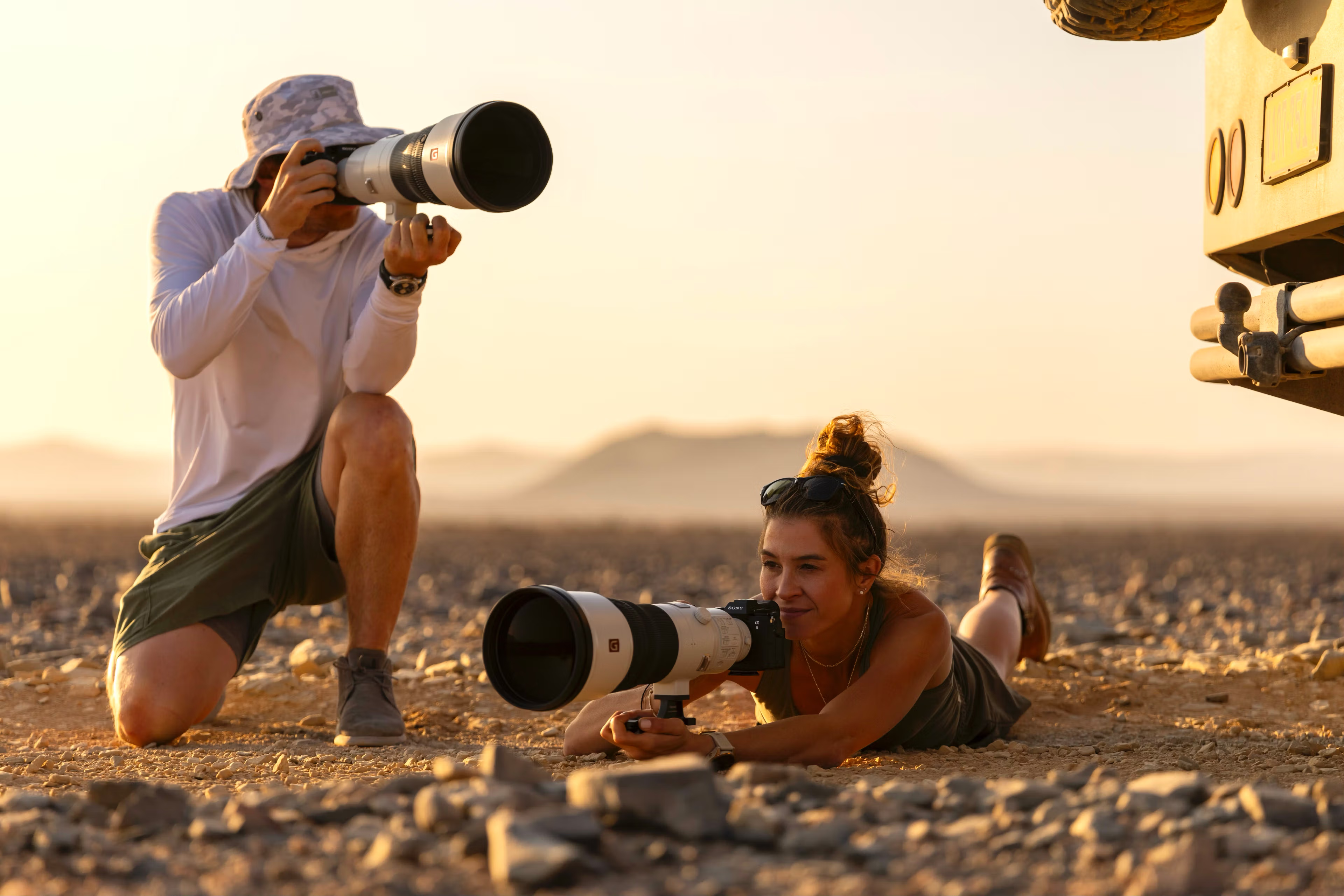
Zimbabwe ranks among Africa’s most rewarding destinations for wildlife photography, shaped by open landscapes, skilled guiding, and low vehicle density. The country allows photographers to work scenes patiently, without constant crowd pressure. Light falls cleanly across Hwange’s plains, while the Zambezi River adds depth and reflection in Mana Pools. Whether you shoot with a long lens on game drives or track subjects on foot, Zimbabwe creates space for thoughtful, story-driven images.
Why Book This Destination
Explore More about Photographic Experiences
Why Zimbabwe Works for Photography
Light, Space, and Composition
Zimbabwe’s environments support strong composition. In Hwange National Park, open grasslands and waterholes create uncluttered backgrounds that isolate subjects clearly. Early morning and late afternoon light produces warm tones and soft shadows, which enhance texture on animals such as elephants and lions.
Along the Zambezi, riverine forests and floodplains introduce layers. You can frame elephants beneath winterthorn trees or capture reflections of wildlife in still channels. The mix of open and wooded terrain gives variety without forcing constant movement.
Low Vehicle Density
Fewer vehicles at sightings allow cleaner angles and more time on a subject. Guides position the vehicle with care, often adjusting for light direction and background. This patience improves results, especially for behavior shots and low-angle compositions.
Top Photographic Destinations
Hwange National Park
Hwange delivers consistent wildlife and predictable movement around waterholes. In the dry season, elephants gather in large numbers, which creates opportunities for both wide scenes and tight portraits. Predators move between pans, and dust in the late light adds atmosphere.
Photographers benefit from hides at selected camps. These structures sit at eye level with waterholes, allowing intimate images of drinking animals without disturbance. The setting suits both still photography and video work.
Mana Pools National Park
Mana Pools offers one of Africa’s most distinctive photographic environments. Elephants often stand on their hind legs to reach winterthorn pods, creating iconic frames. The Zambezi River adds foreground interest, while distant escarpments provide depth.
Walking safaris open new angles. You can compose at ground level and work scenes slowly under guide supervision. The experience demands awareness and discipline, but it rewards you with images that feel close and authentic.
Victoria Falls and the Zambezi
Victoria Falls introduces dramatic landscape photography. During high water, spray rises like mist and catches the light, forming rainbows across the gorge. In lower water periods, rock formations and channels become visible, which allows different compositions.
Sunrise and sunset along the upper Zambezi create calm scenes with boats, birds, and soft reflections. This contrast between power at the falls and calm upstream broadens your portfolio.
Photographic Experiences and Activities
Game Drives for Wildlife Photography
Game drives form the backbone of most photographic itineraries. In Zimbabwe, guides understand how to position for light and behavior. You can spend extended time with a pride of lions or follow elephants between water sources, building a sequence rather than a single shot.
Vehicles often accommodate photographers with flexible seating, which helps when you need to shift quickly for a better angle. Early departures and late returns maximize golden hour opportunities.
Walking Safaris for Creative Angles
Walking safaris allow a different visual approach. You work closer to textures, tracks, and smaller subjects such as insects and plants. This perspective adds storytelling depth to a portfolio that might otherwise focus only on large mammals.
Guides control distance and safety, while you focus on composition and timing. The slower pace encourages deliberate shooting and careful framing.
Canoe Safaris for Water-Level Perspectives
Canoe safaris bring you to eye level with the river. You capture elephants drinking, birds skimming the surface, and reflections that shift with light and current. The movement remains gentle, which allows steady shooting if you prepare well.
Dry bags protect equipment, and a second body with a shorter lens often proves useful for wider scenes and environmental shots.
Best Time for Photography
Dry Season Clarity
From June to October, wildlife concentrates around water. Vegetation thins, which improves visibility and simplifies backgrounds. Light remains consistent, and dust can add mood in backlit scenes. This period suits photographers who want reliable wildlife encounters and clean compositions.
Green Season Color
From November to April, the landscape turns lush and vibrant. Skies build with dramatic clouds, and birdlife increases with migratory species in breeding plumage. You may work harder to locate wildlife, but the color and atmosphere add richness to images.
Practical Tips for Photographers
Gear and Setup
A telephoto lens in the 300–500mm range covers most wildlife situations, while a mid-range zoom handles environmental scenes. Extra batteries and memory cards remain essential due to long days in the field. Dust protection matters in dry months, and rain covers help during the green season.
Working with Guides
Clear communication with your guide improves results. Explain your goals, whether you seek behavior, portraits, or wide landscapes. Guides in Zimbabwe often anticipate movement and light, which helps you prepare for the shot rather than react late.
Patience and Timing
Strong images come from waiting for the right moment. Zimbabwe’s quieter settings allow you to stay longer with subjects. Use this advantage to refine composition, watch behavior, and capture sequences that tell a story.
Planning Your Photographic Safari
A well-structured itinerary combines Hwange for consistent wildlife, Mana Pools for unique behavior and walking opportunities, and Victoria Falls for landscape contrast. Balance travel time with shooting time, and choose camps that support photographers with flexible schedules.
Zimbabwe rewards those who approach photography with patience and intent. The combination of space, guiding expertise, and varied environments creates a setting where images feel natural, detailed, and deeply connected to the wild.
In Africa’s national parks, every sunrise paints a masterpiece — where the wild’s call echoes across endless horizons. Visiting these parks is to witness nature in its purest form, a timeless dance that stirs the soul.
Steps to Book Your Southern Africa Tour
Choose Your Adventure
Confirm Your Booking
Begin Your Journey
Ready to plan your tailor-made safari?